20.07.2026
More Than 1,000 Srebrenica Genocide Victims Still Missing 31 Years Later
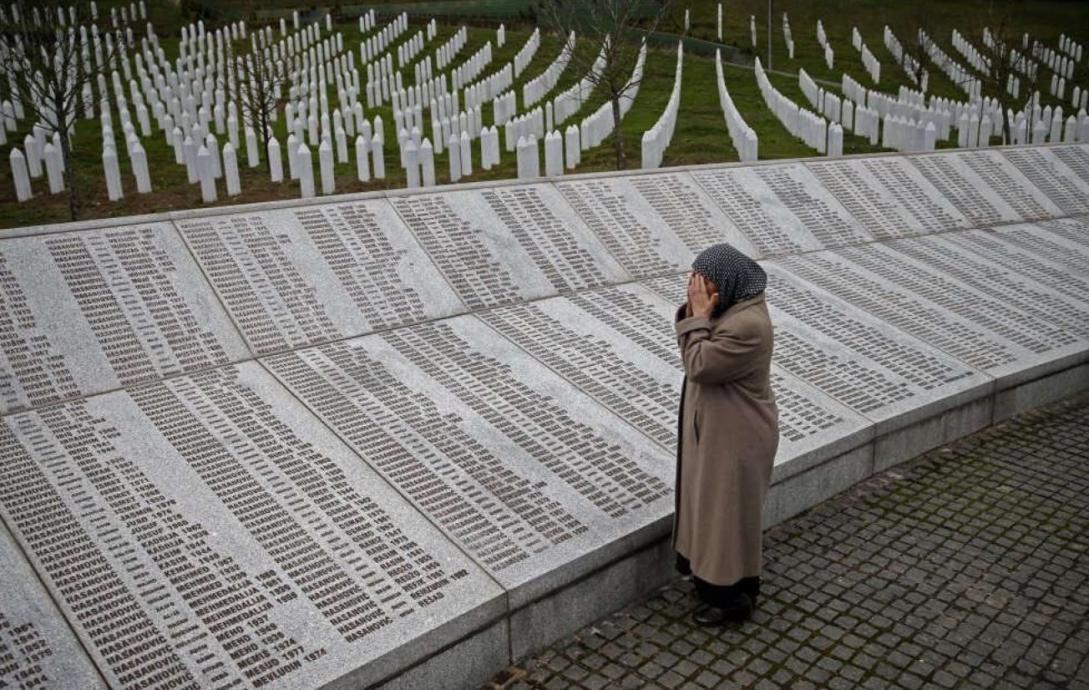
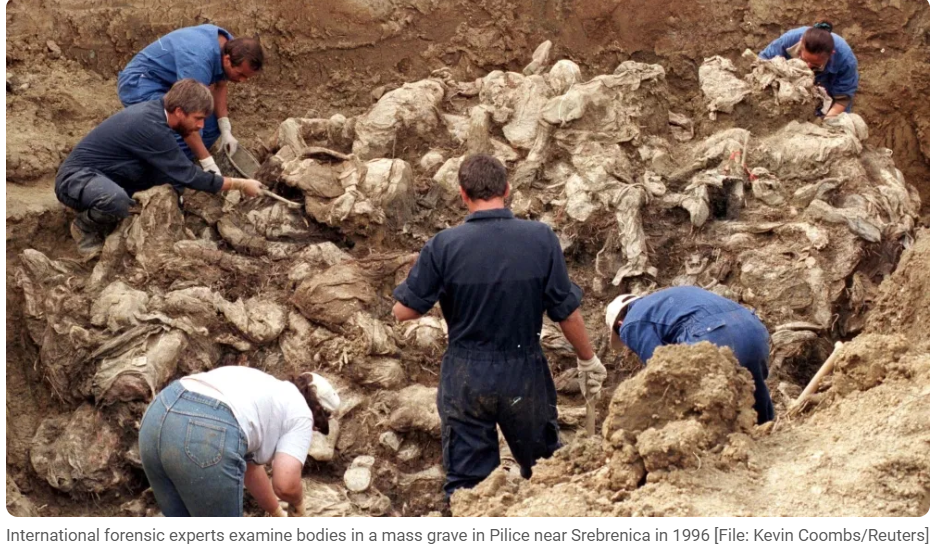
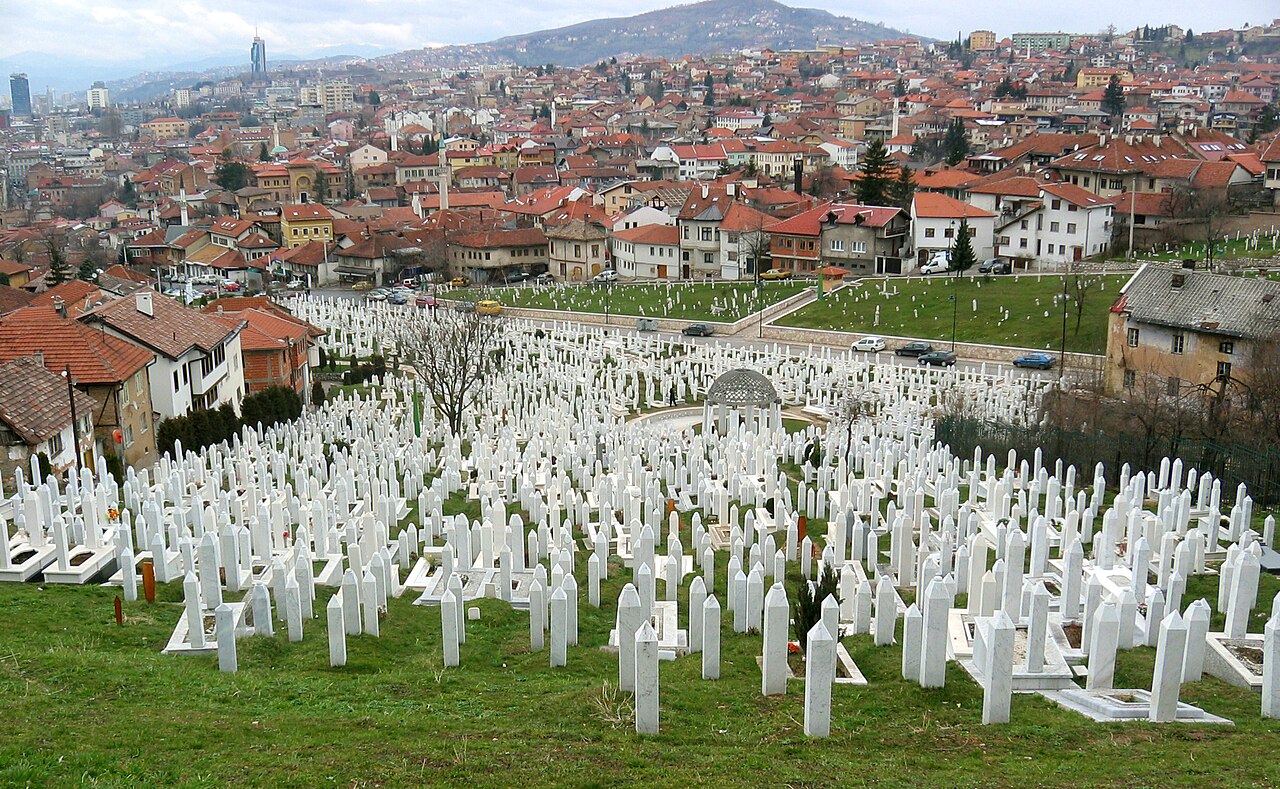
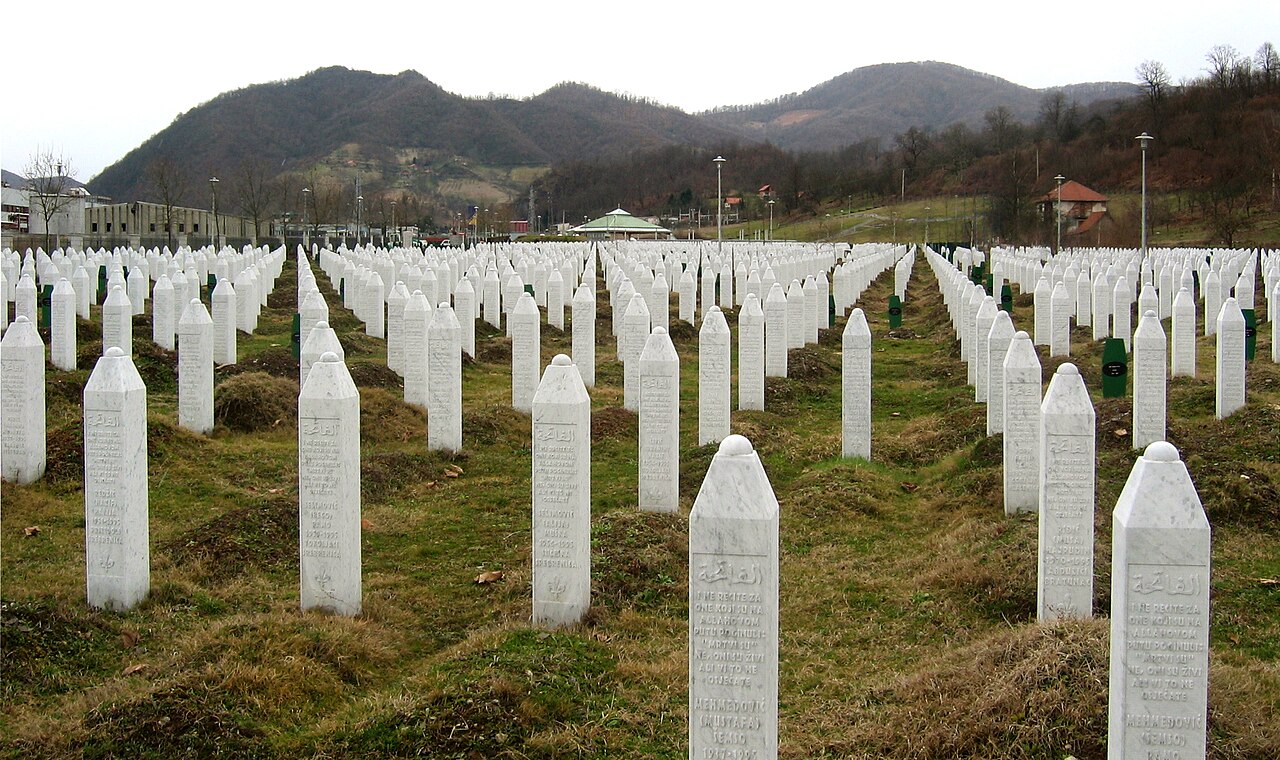
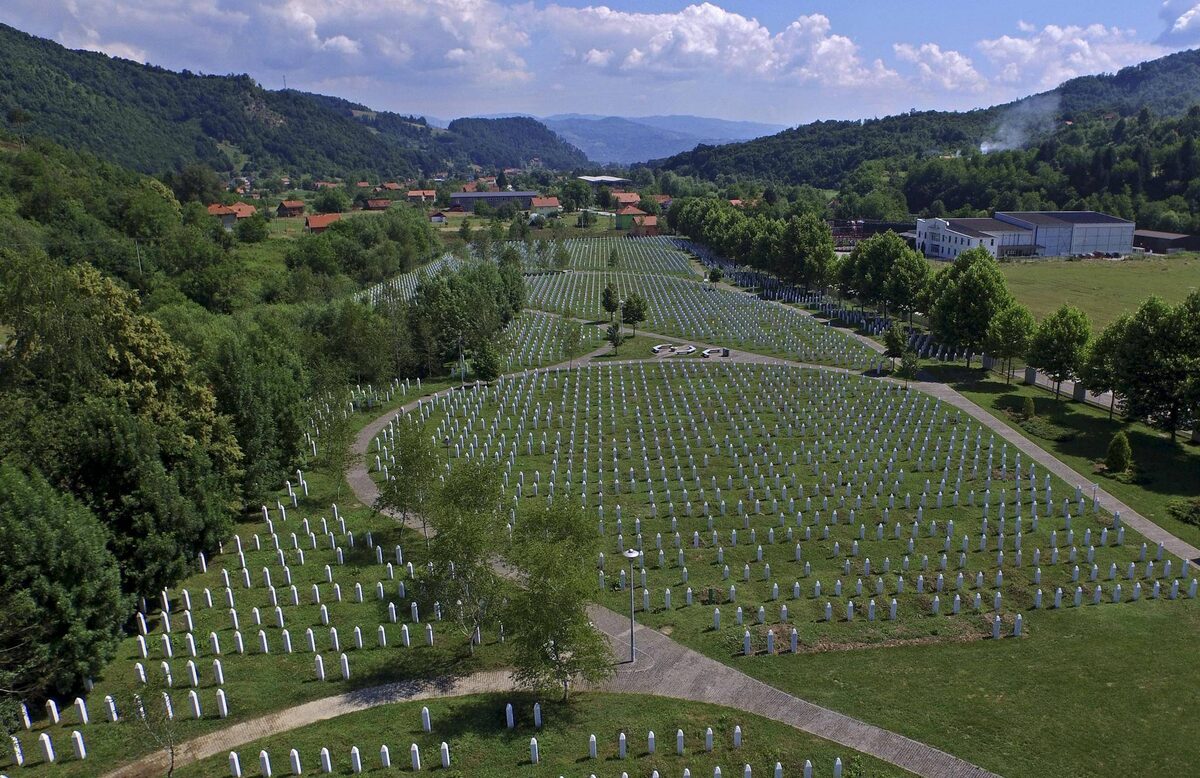
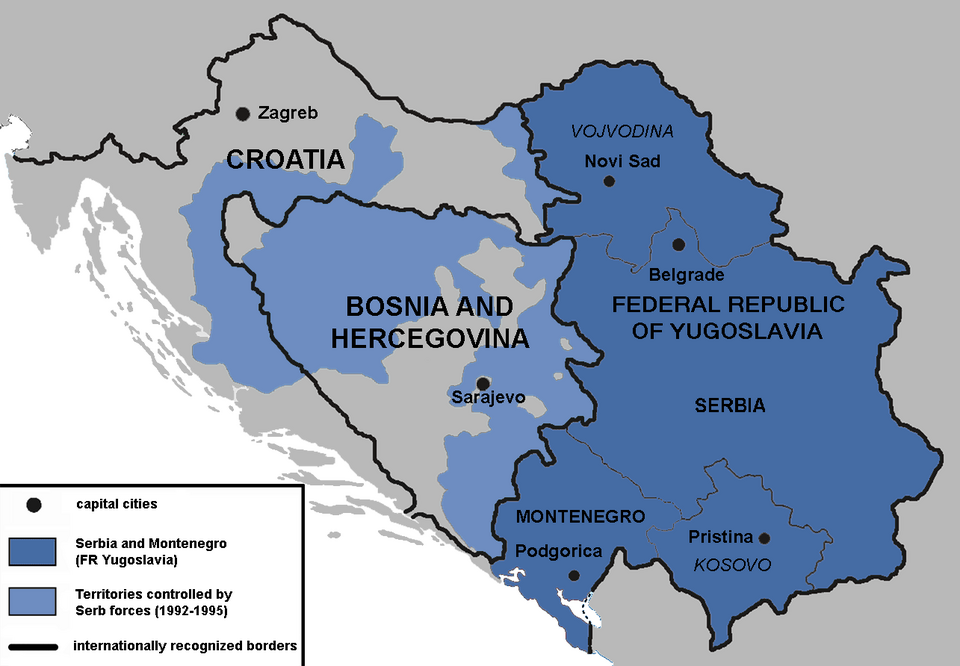
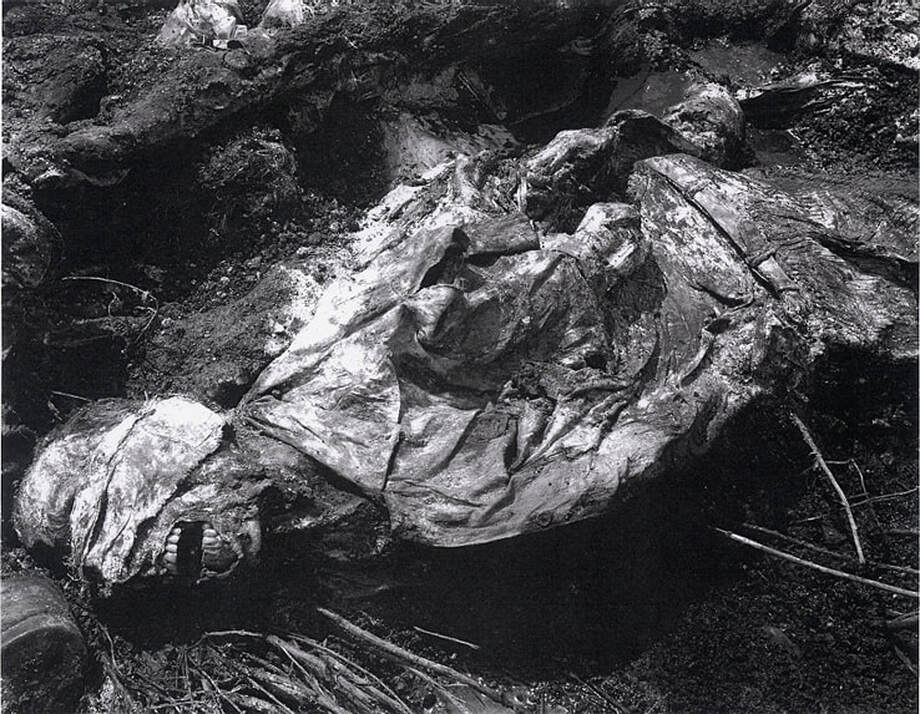
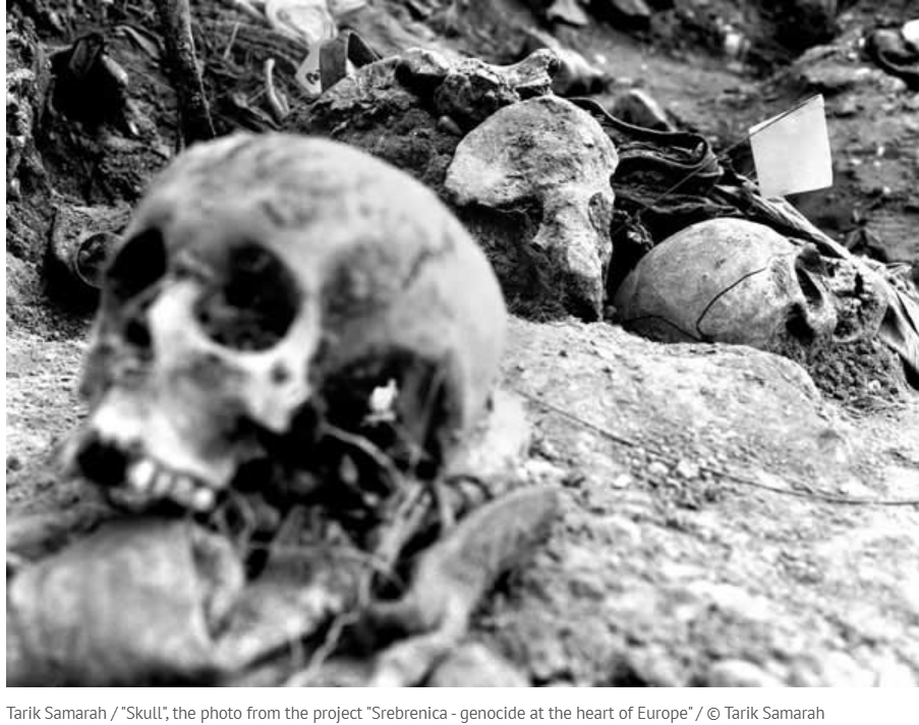
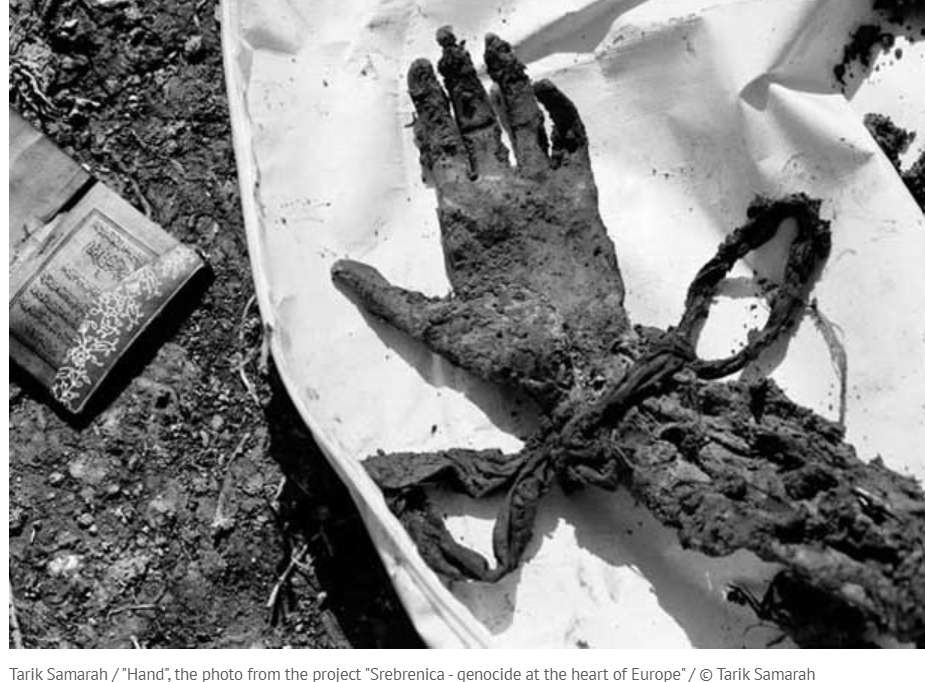
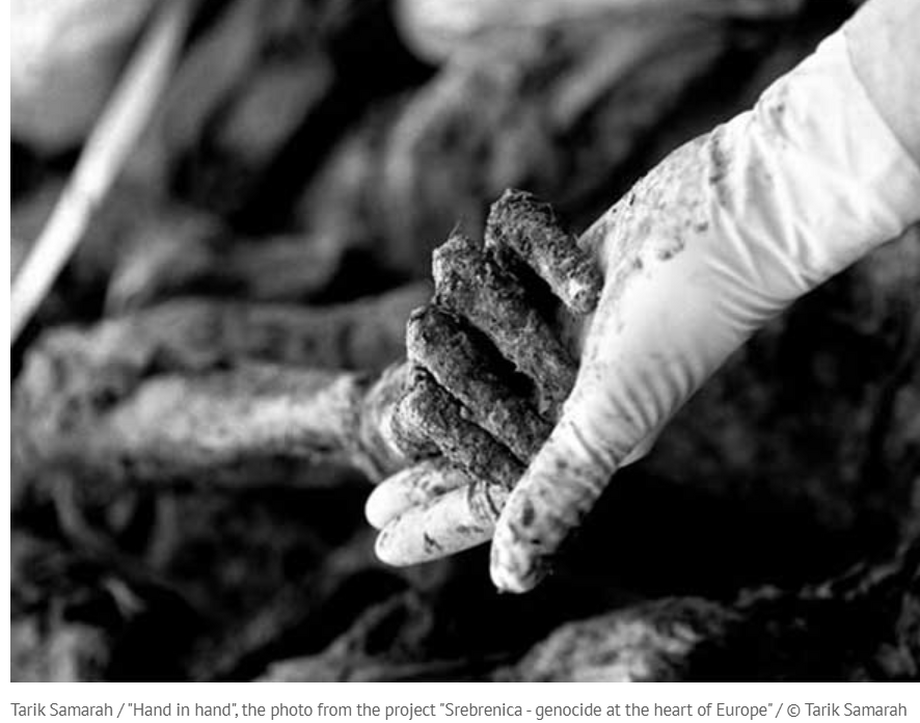
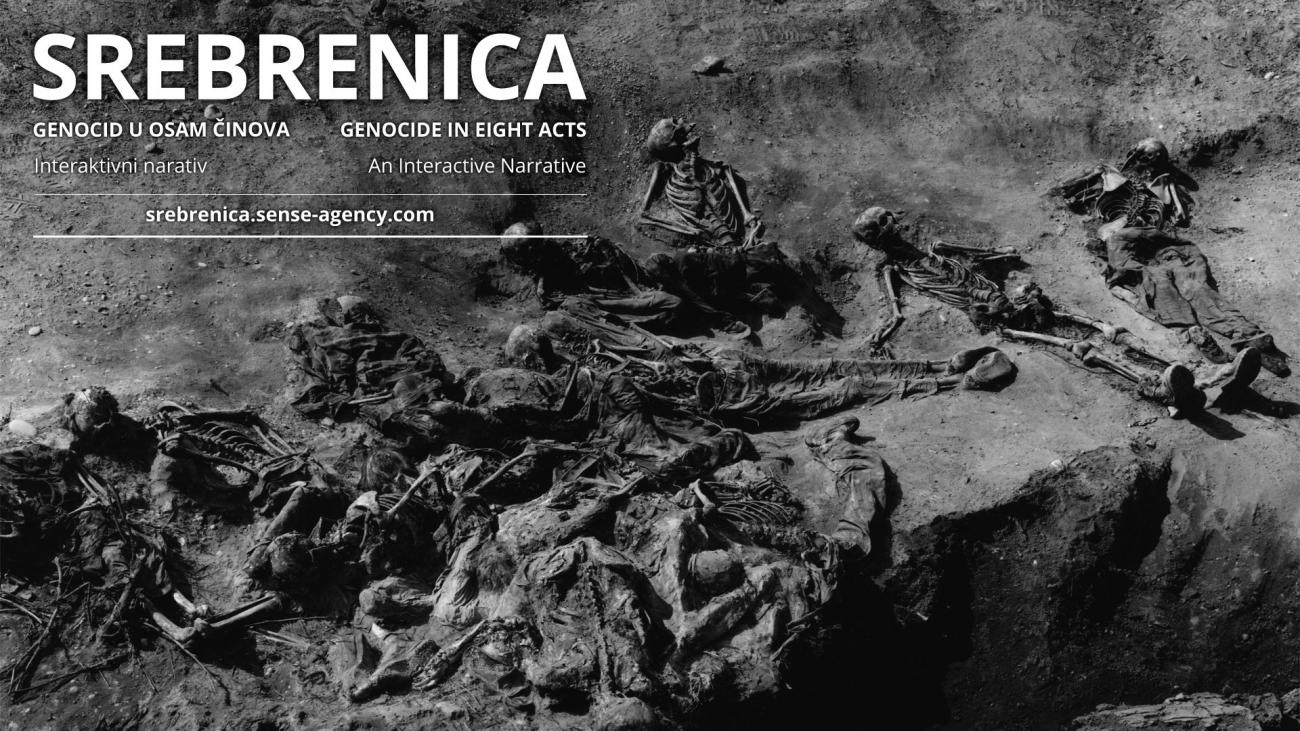
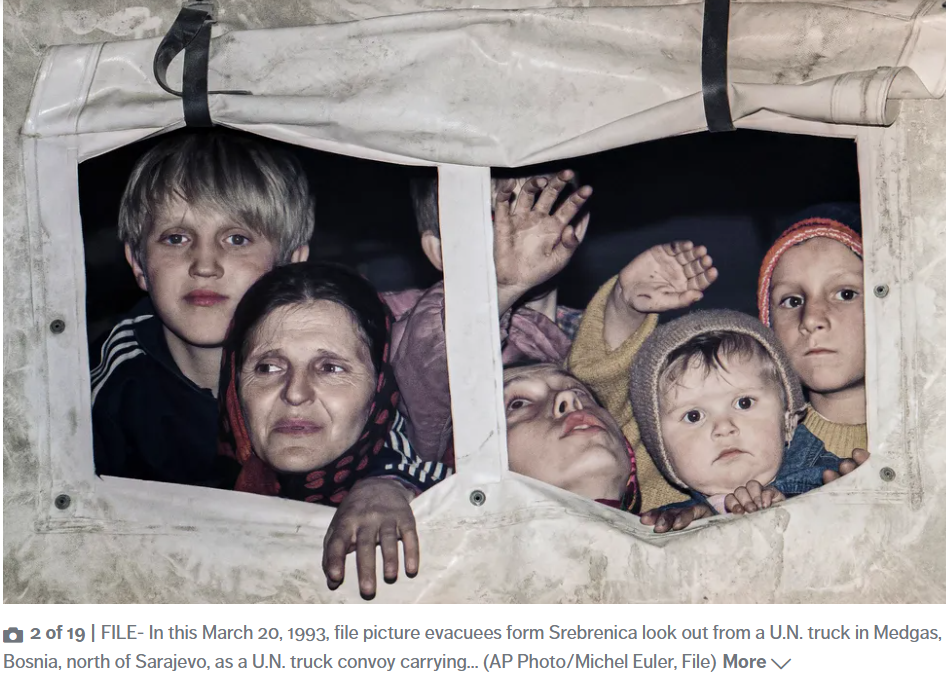
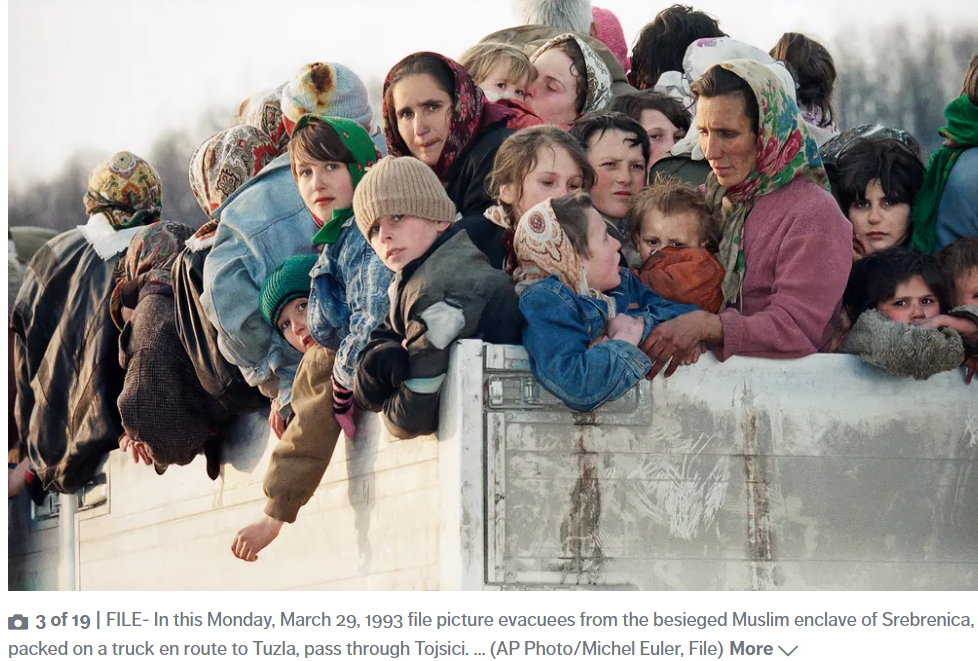
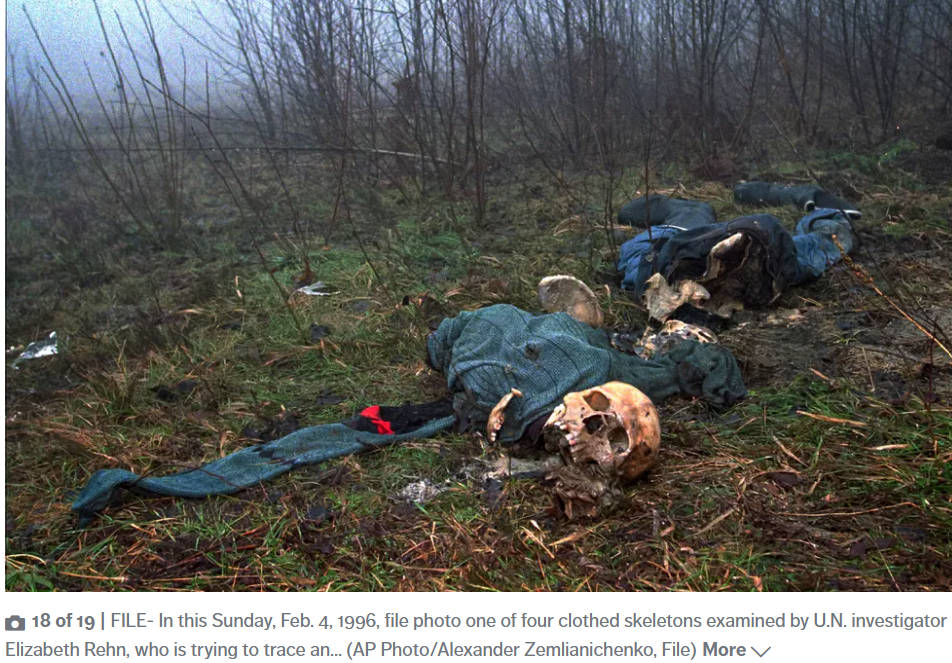
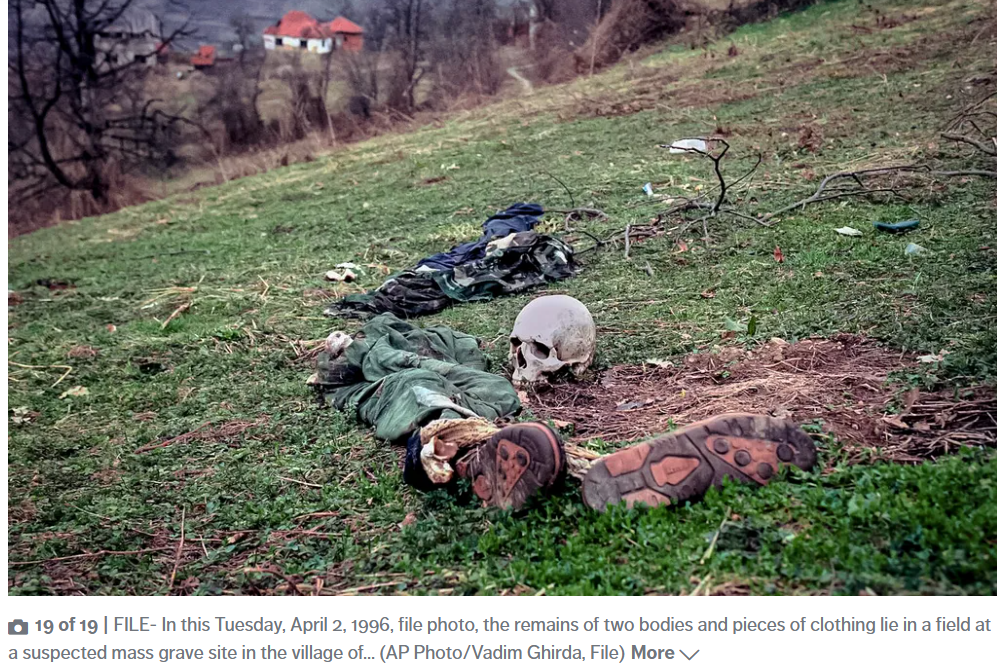
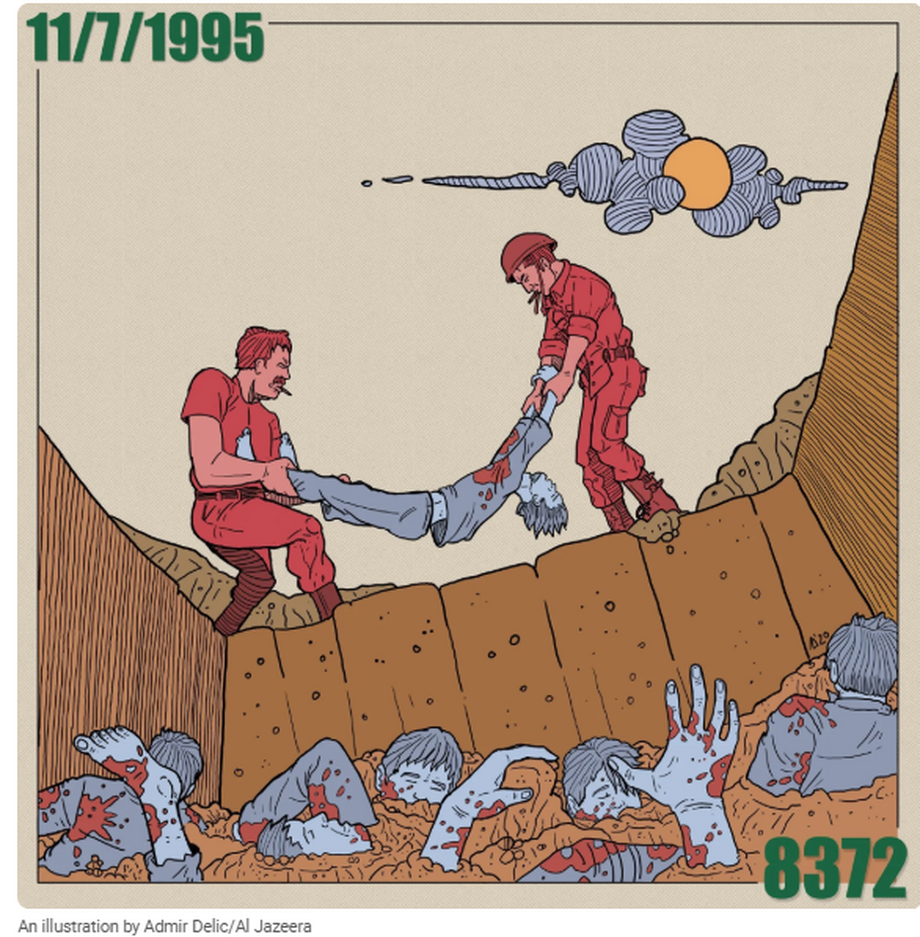
Thirty-one years after Bosnian Serb forces overran the UN-declared "safe area" of Srebrenica on July 11, 1995, triggering a massacre later recognized as genocide by international courts, the remains of more than 1,000 victims have yet to be found. On July 11, 1995, Bosnian Serb forces led by convicted war criminal Ratko Mladic overran the UN-declared "safe area" of Srebrenica during the final stages of the Bosnian War. While women and children were allowed to pass into Bosniak-controlled territory, men and boys were systematically separated and executed in forests, warehouses, factories and other locations. At least 8,372 Bosniak men and boys were killed. To conceal the crime, victims were buried in mass graves, many of which were later reopened with heavy machinery and the remains dispersed among secondary burial sites, making identification significantly more difficult. Based on evidence presented before the International Criminal Tribunal for the former Yugoslavia (ICTY), the International Court of Justice (ICJ) ruled in 2007 that the killings in and around Srebrenica constituted genocide under international law. Several senior Bosnian Serb officials, including military commander Ratko Mladic and political leader Radovan Karadzic, were convicted and sentenced to life imprisonment for genocide and other war crimes. The Srebrenica genocide remains the largest atrocity in Europe to be legally recognized as genocide since World War II. To date, the remains of Srebrenica victims have been recovered from 150 locations, including 77 mass graves. The annual commemoration at Potocari has become not only a funeral ceremony for newly identified victims but also a symbol of remembrance for a genocide committed before the eyes of the international community and a call to prevent similar atrocities from ever happening again.
Credit: ALJAZEERA
Credit: ALJAZEERA
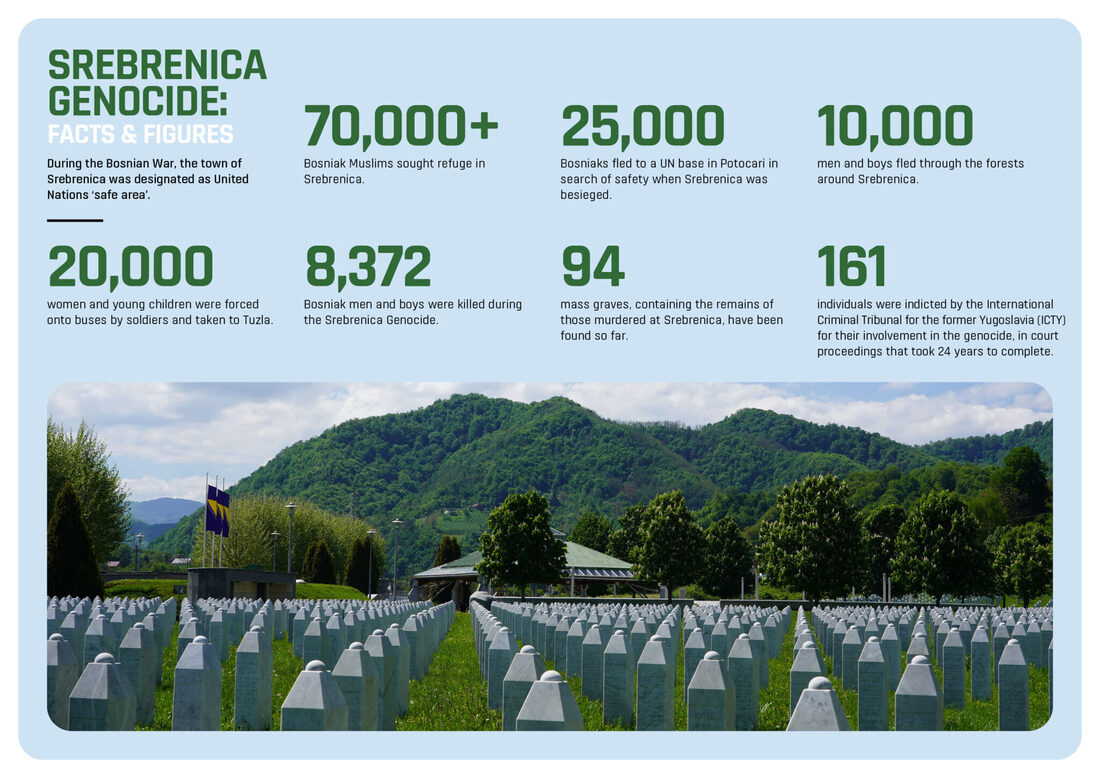
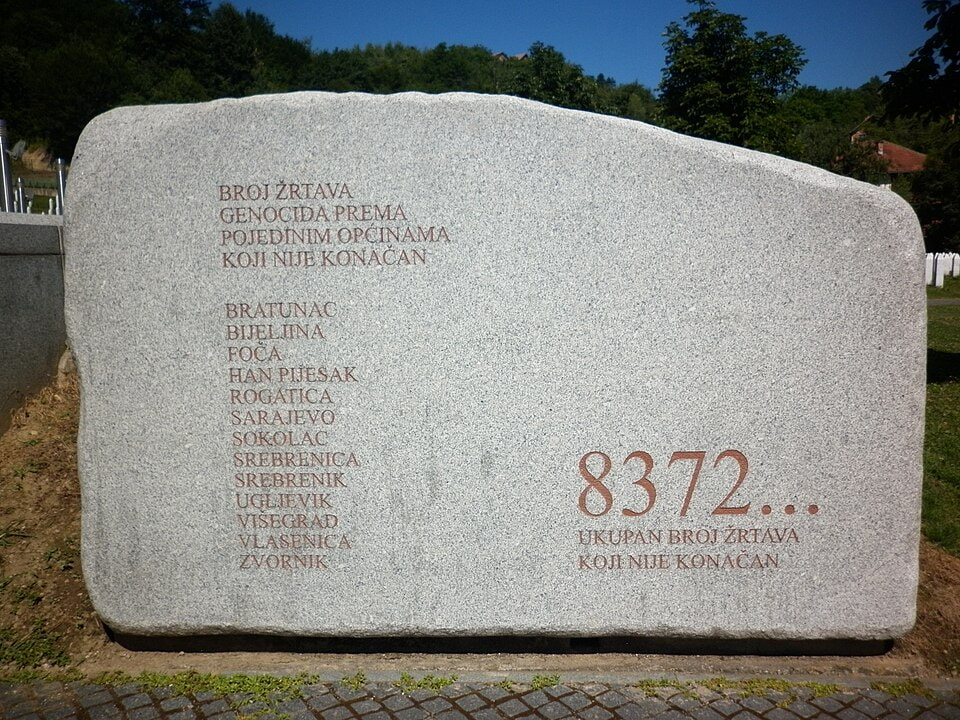
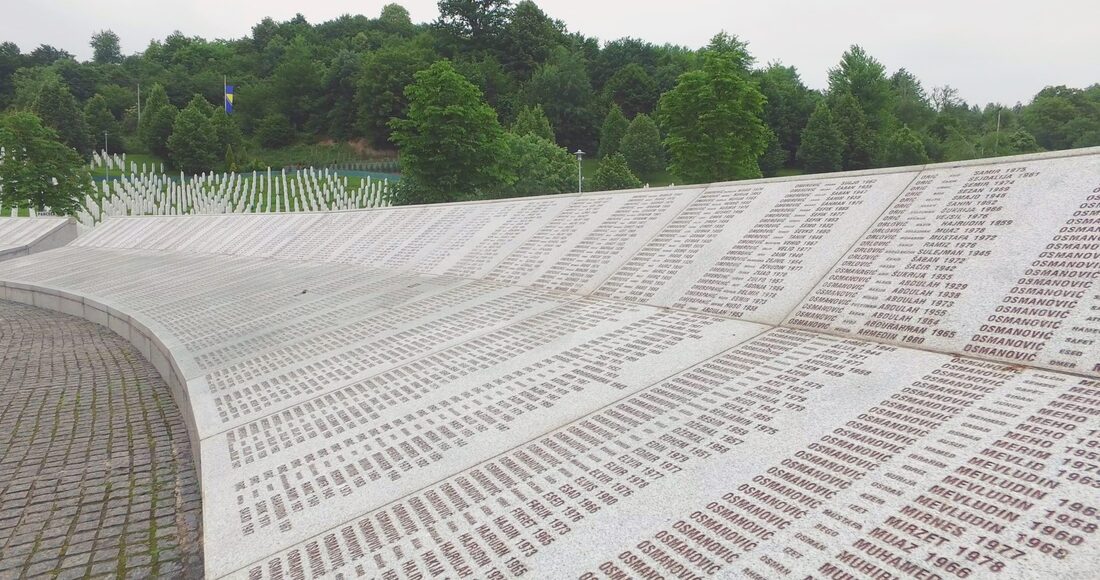
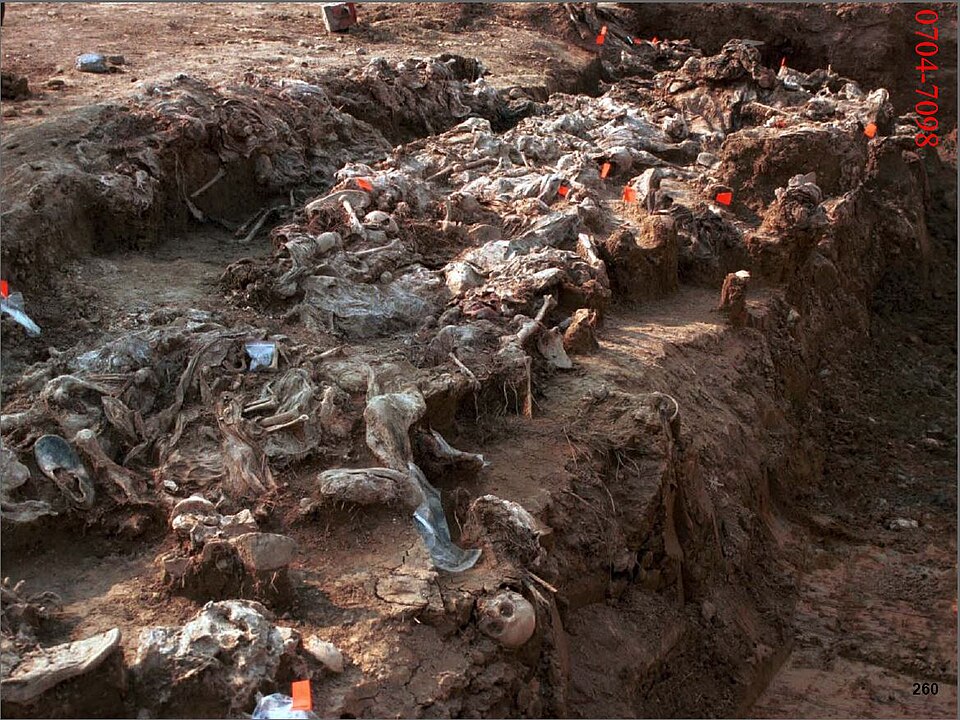
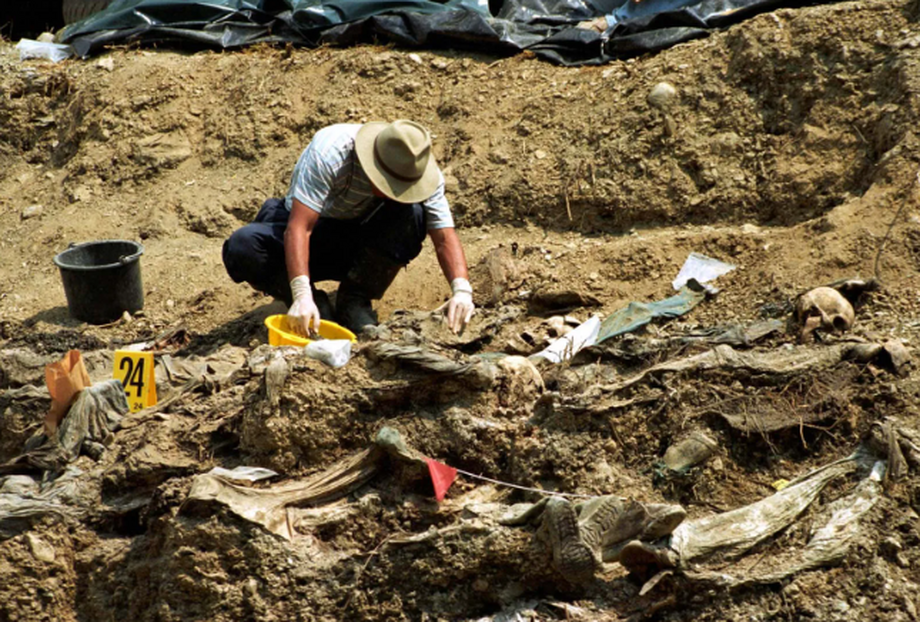
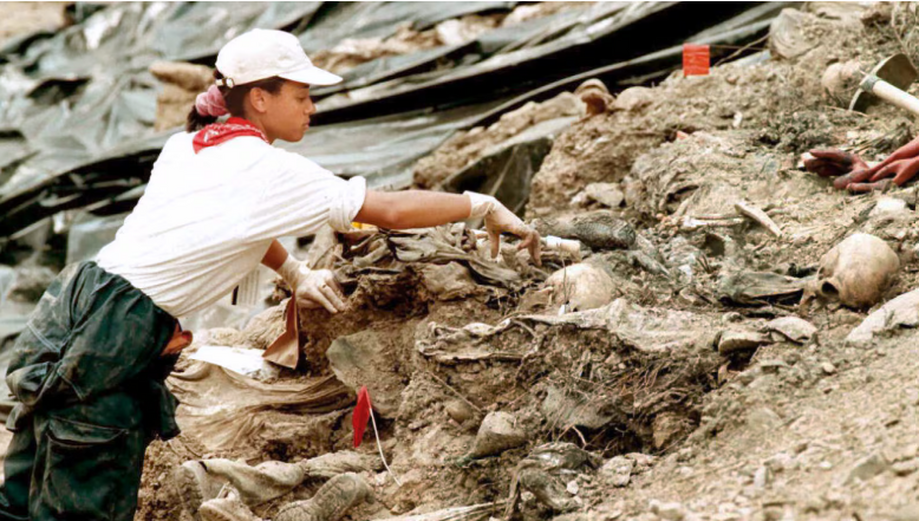
Exhumation of the Srebrenica massacre victims
Poverty deprives people of adequate education, health care and of life's most basic necessities- safe living conditions (including clean air and clean drinking water) and an adequate food supply. The developed (industrialized) countries today account for roughly 20 percent of the world's population but control about 80 percent of the world's wealth.
Poverty and pollution seem to operate in a vicious cycle that, so far, has been hard to break. Even in the developed nations, the gap between the rich and the poor is evident in their respective social and environmental conditions.
Poverty and pollution seem to operate in a vicious cycle that, so far, has been hard to break. Even in the developed nations, the gap between the rich and the poor is evident in their respective social and environmental conditions.