20.05.2026
How Death And Despair Haunt Pakistan’s Christian Minority
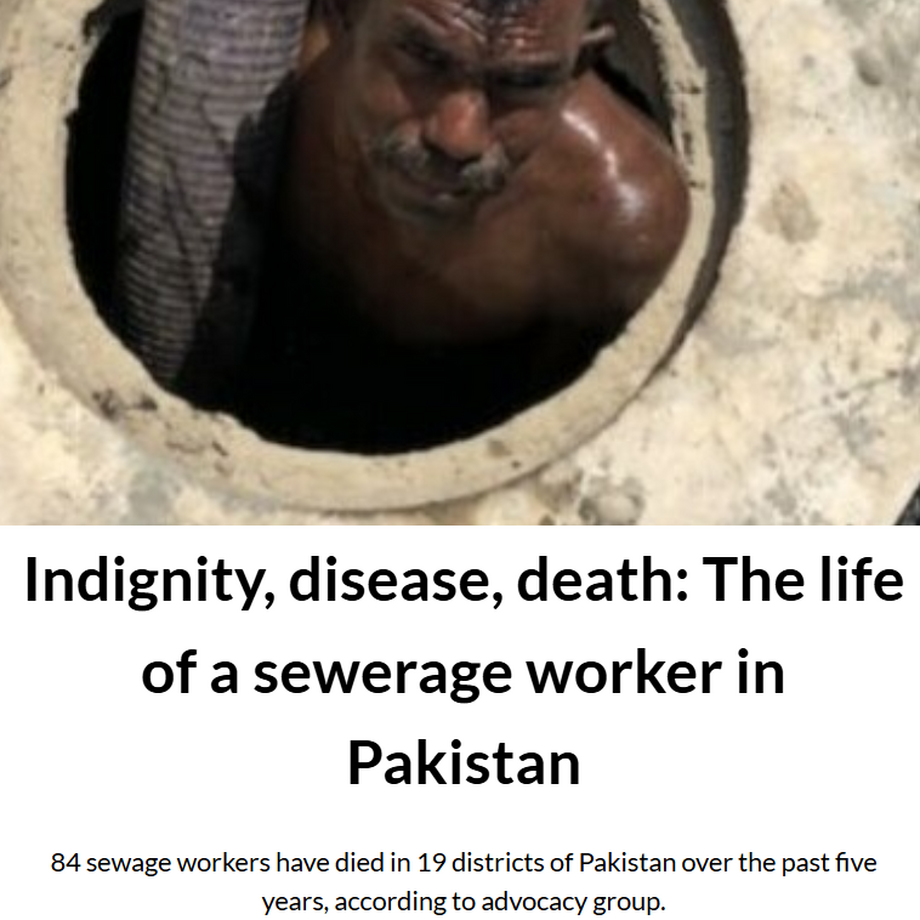
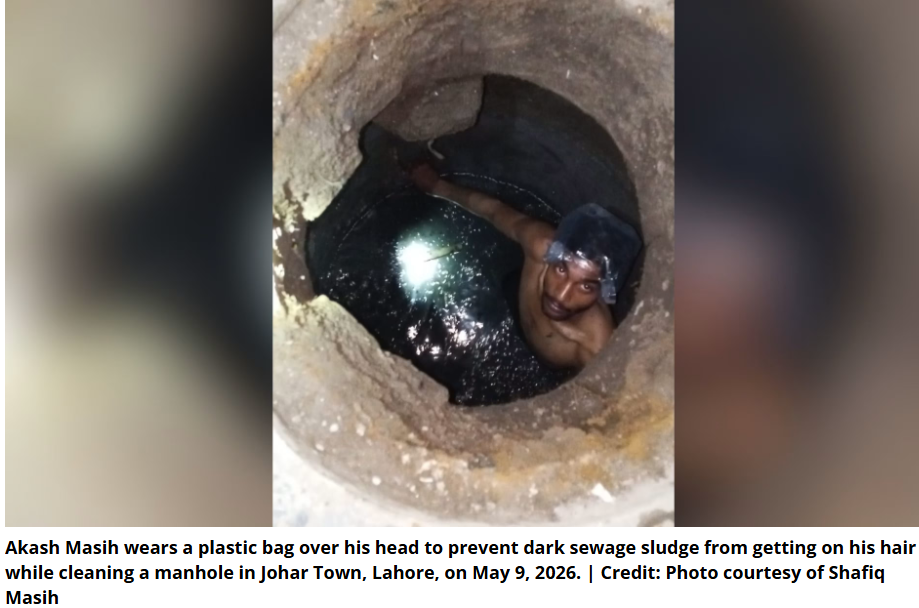
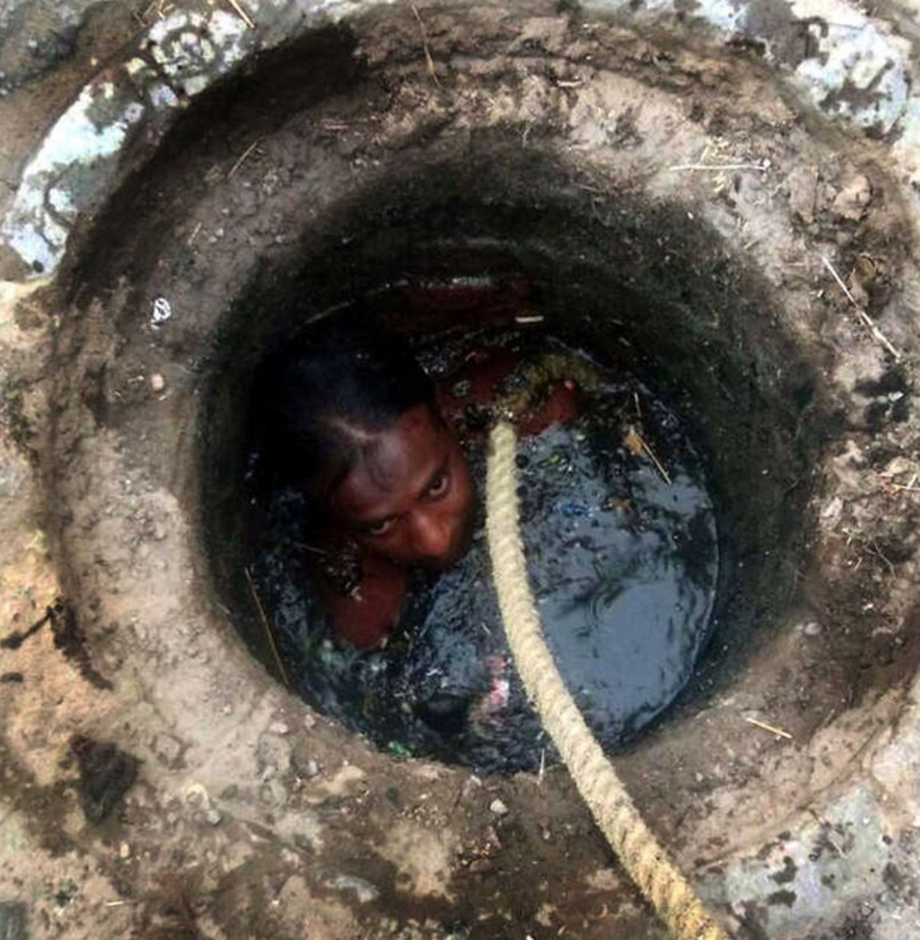
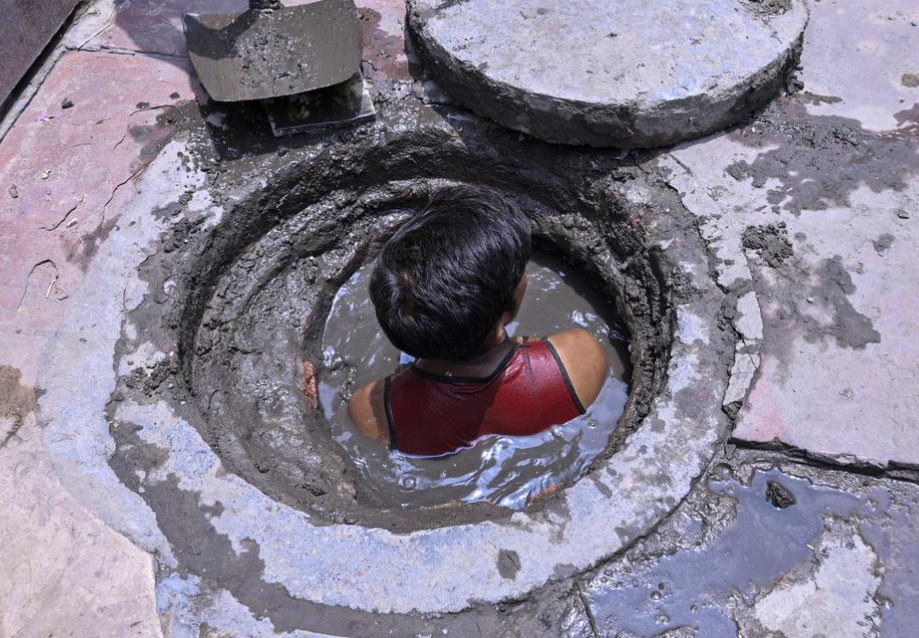
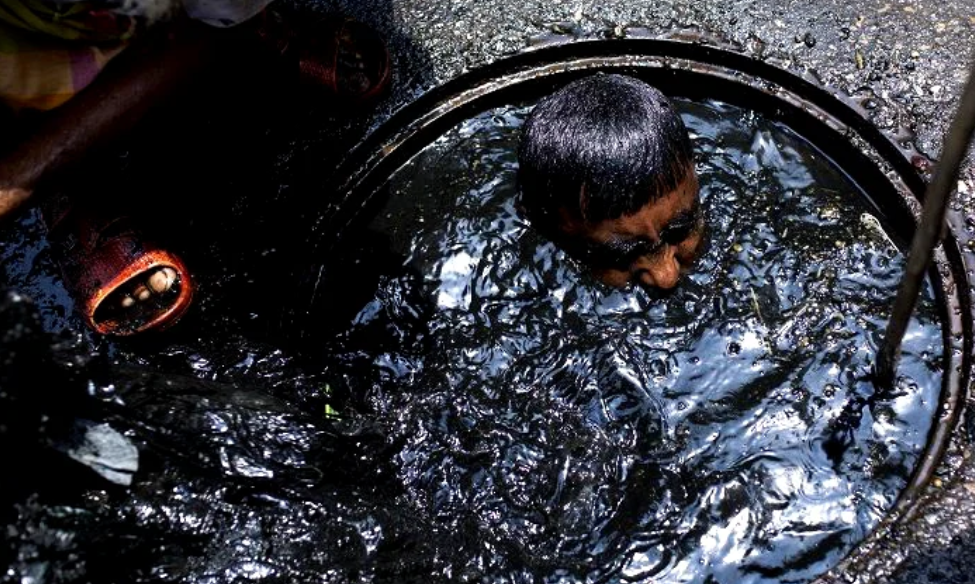
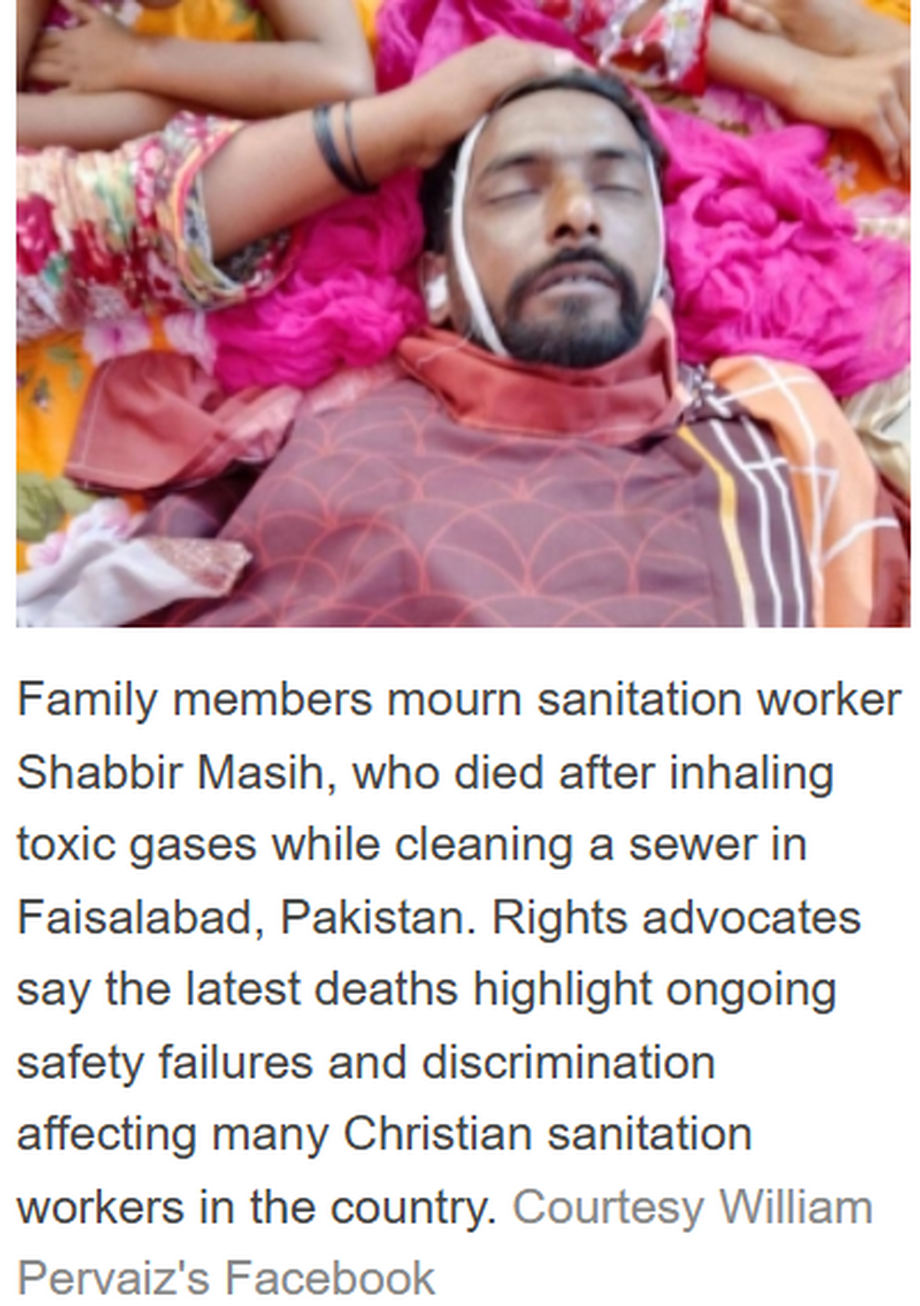
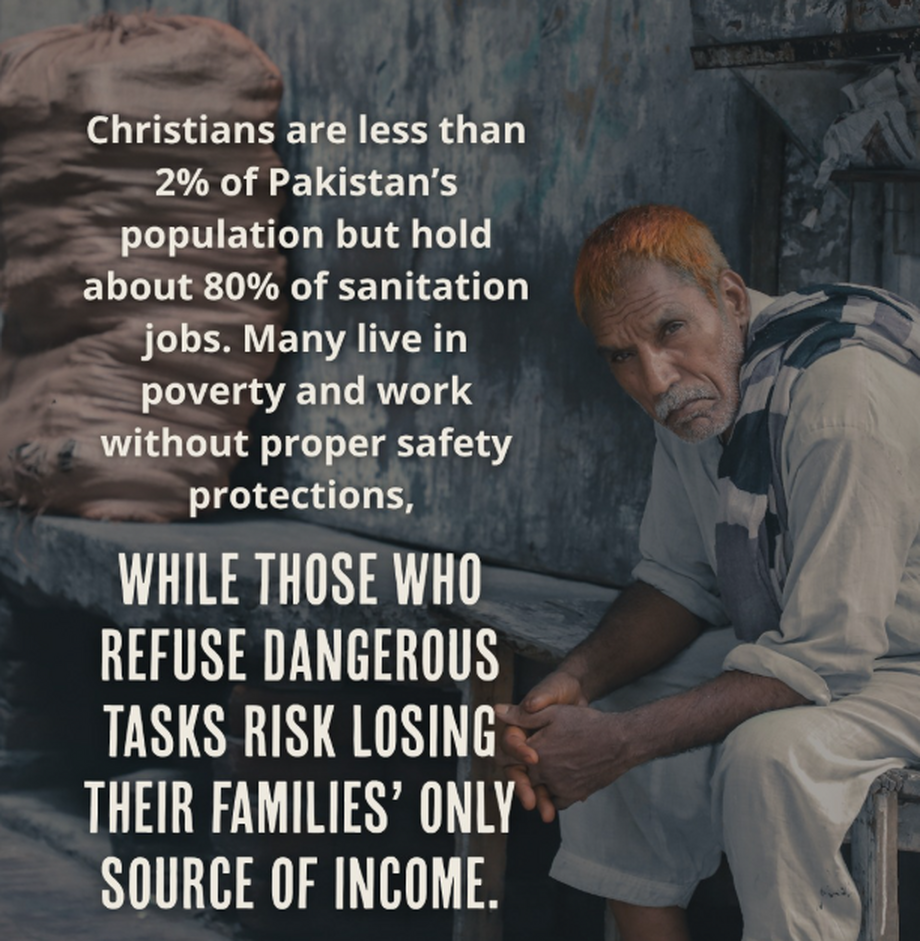
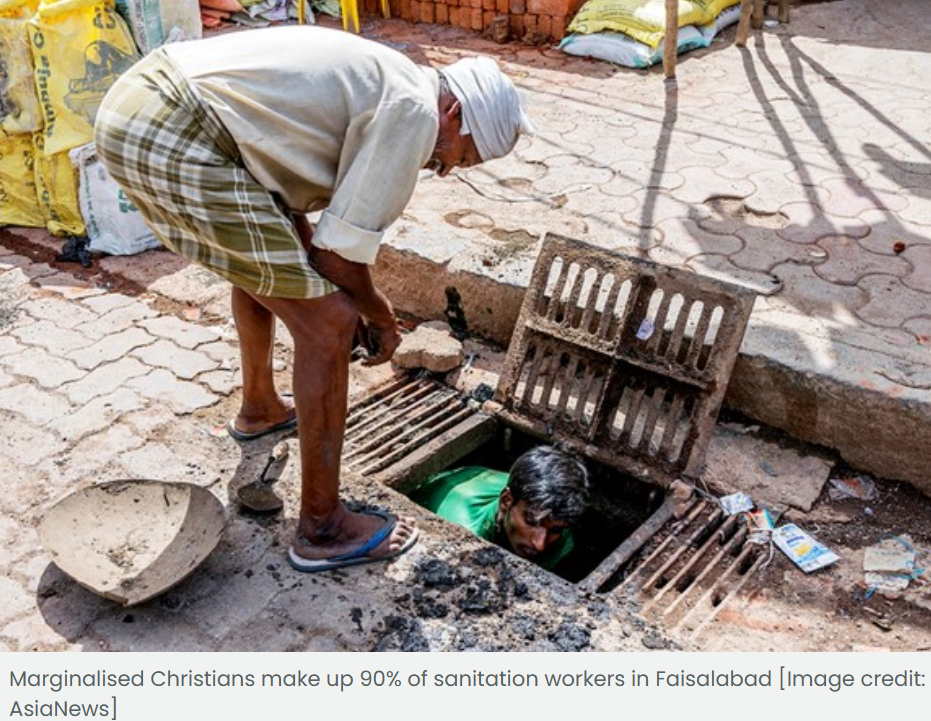
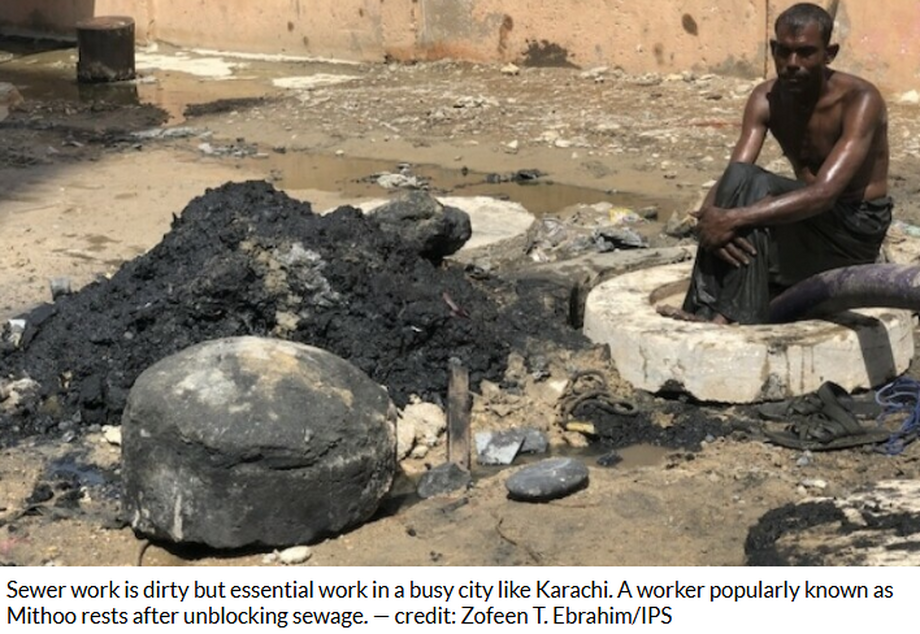
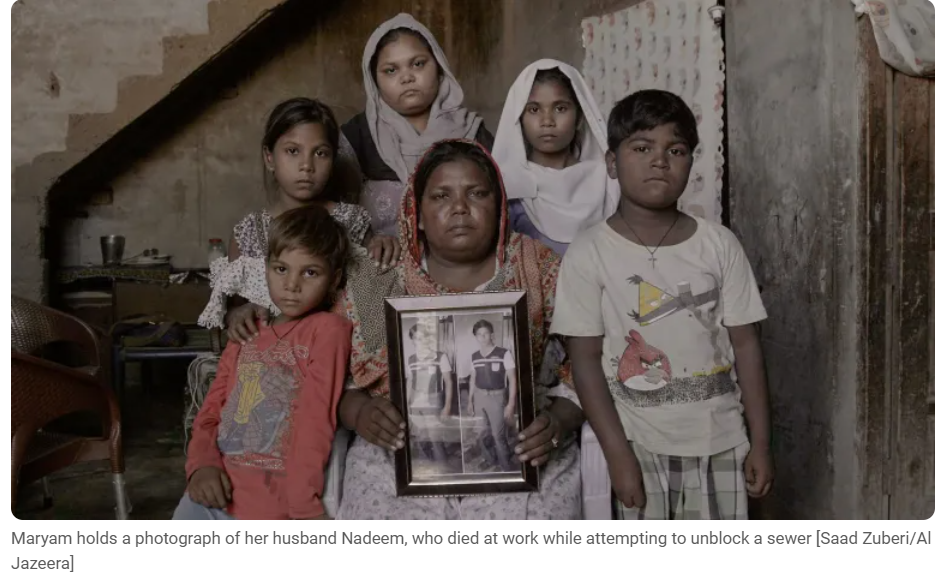
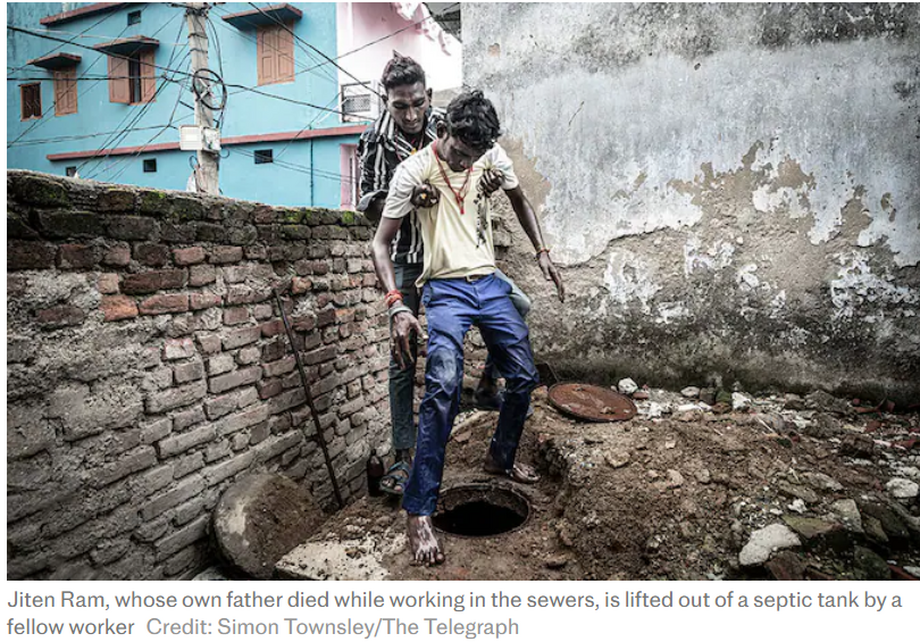
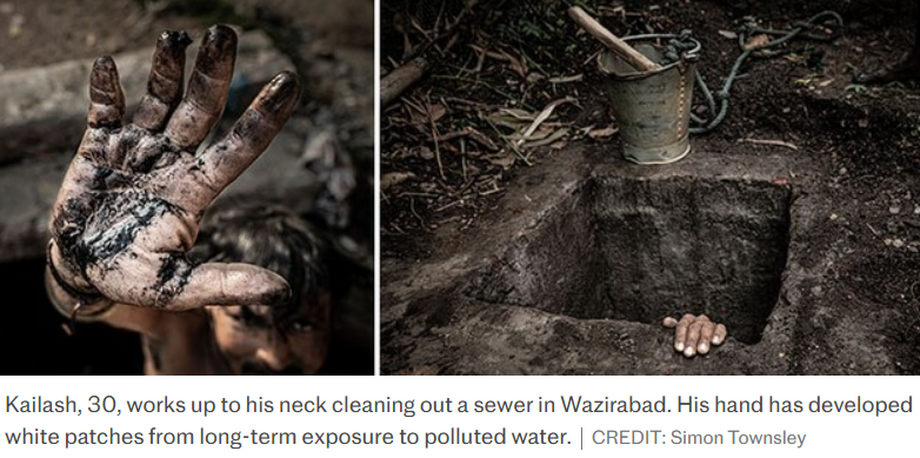
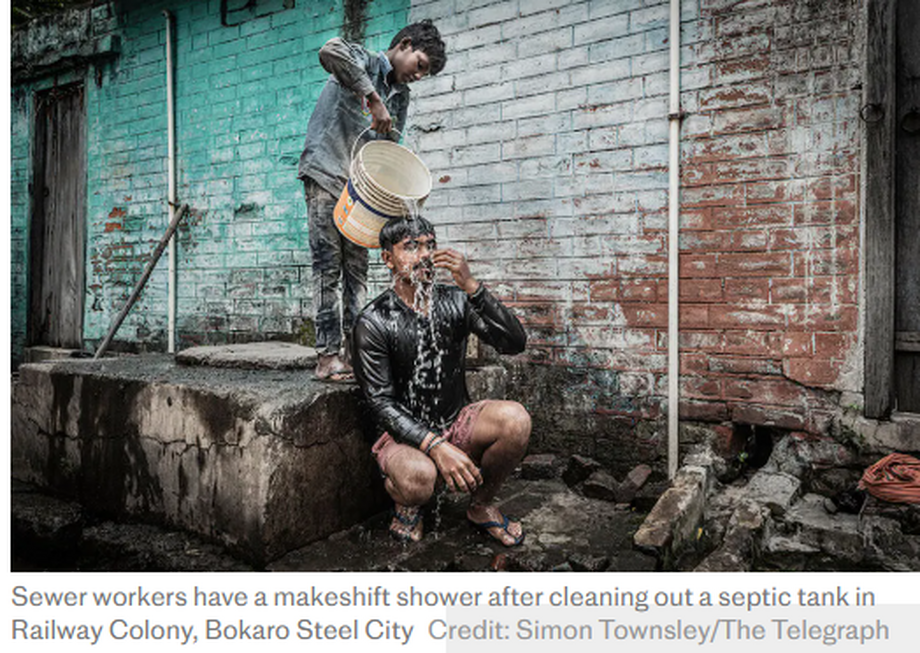
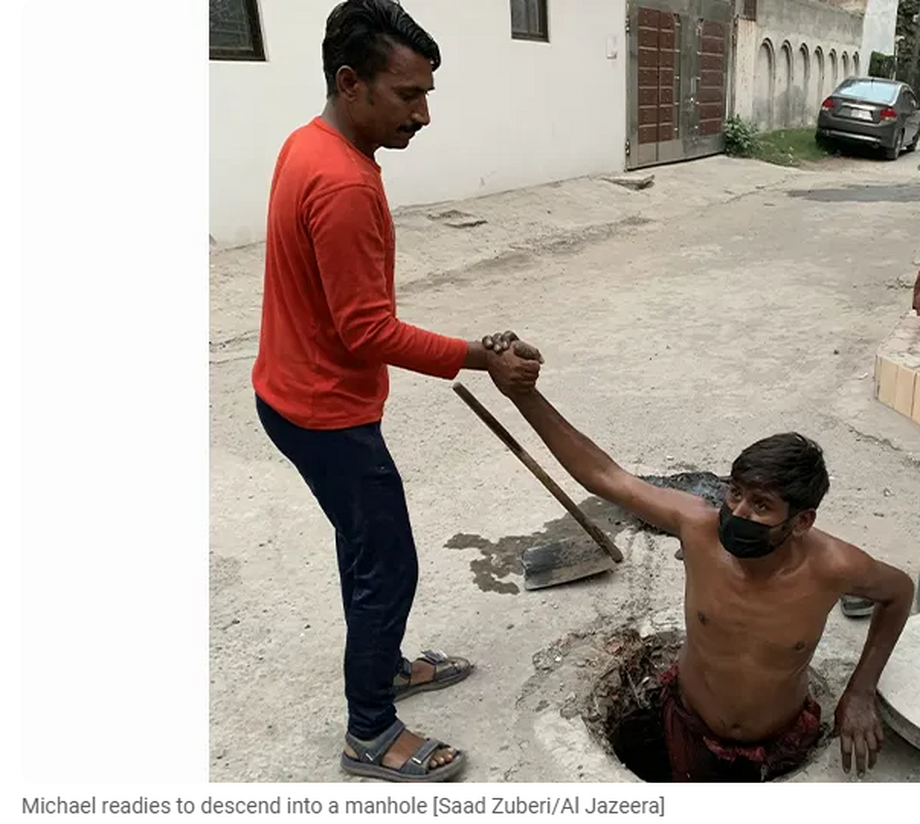
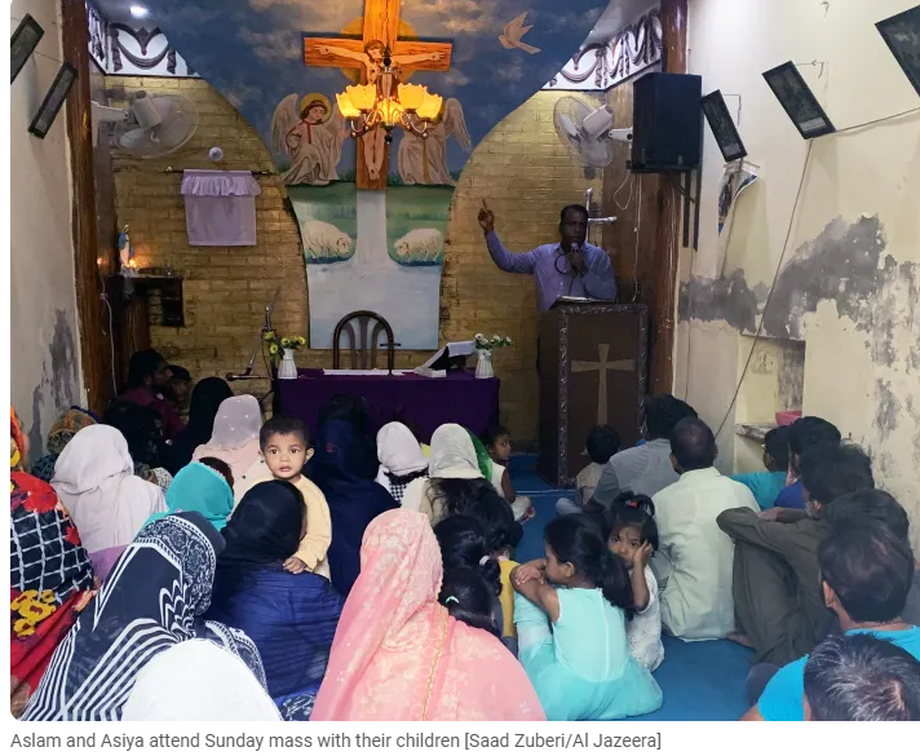
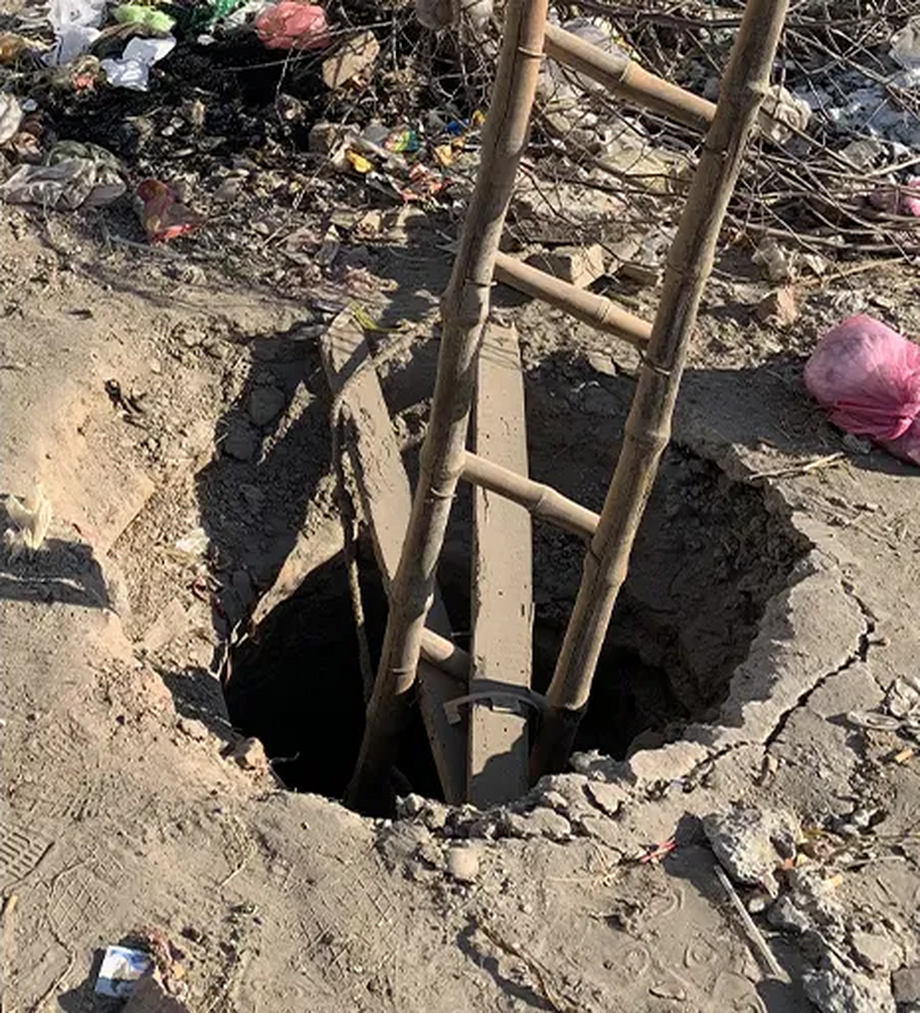
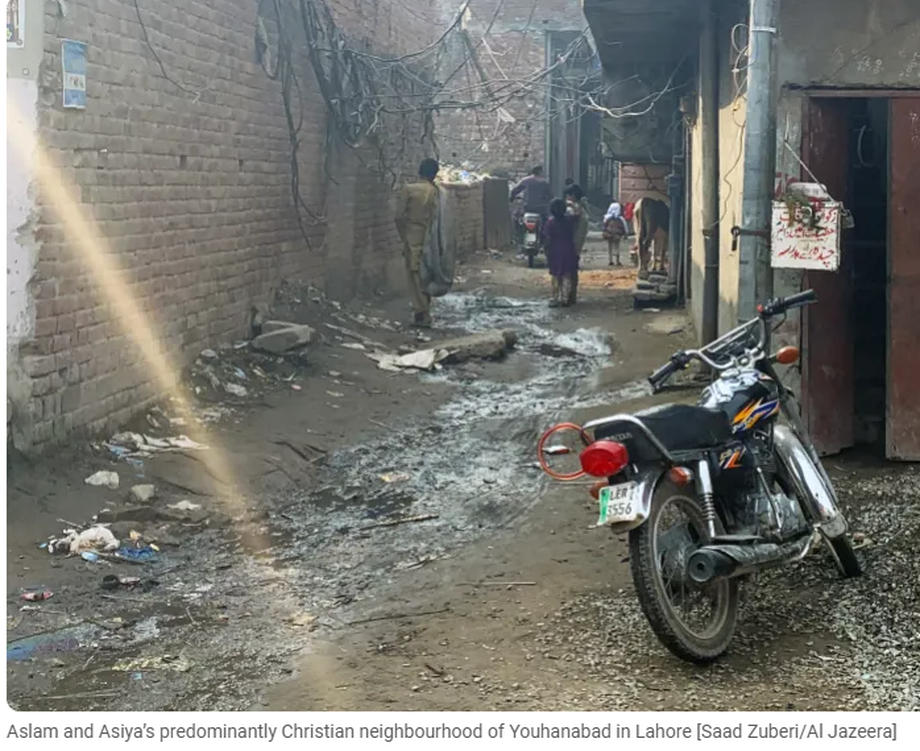
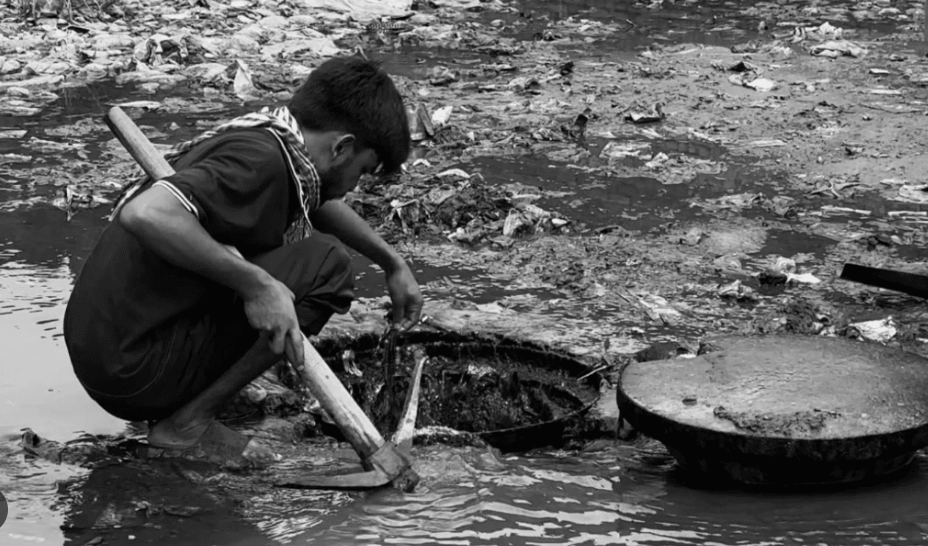
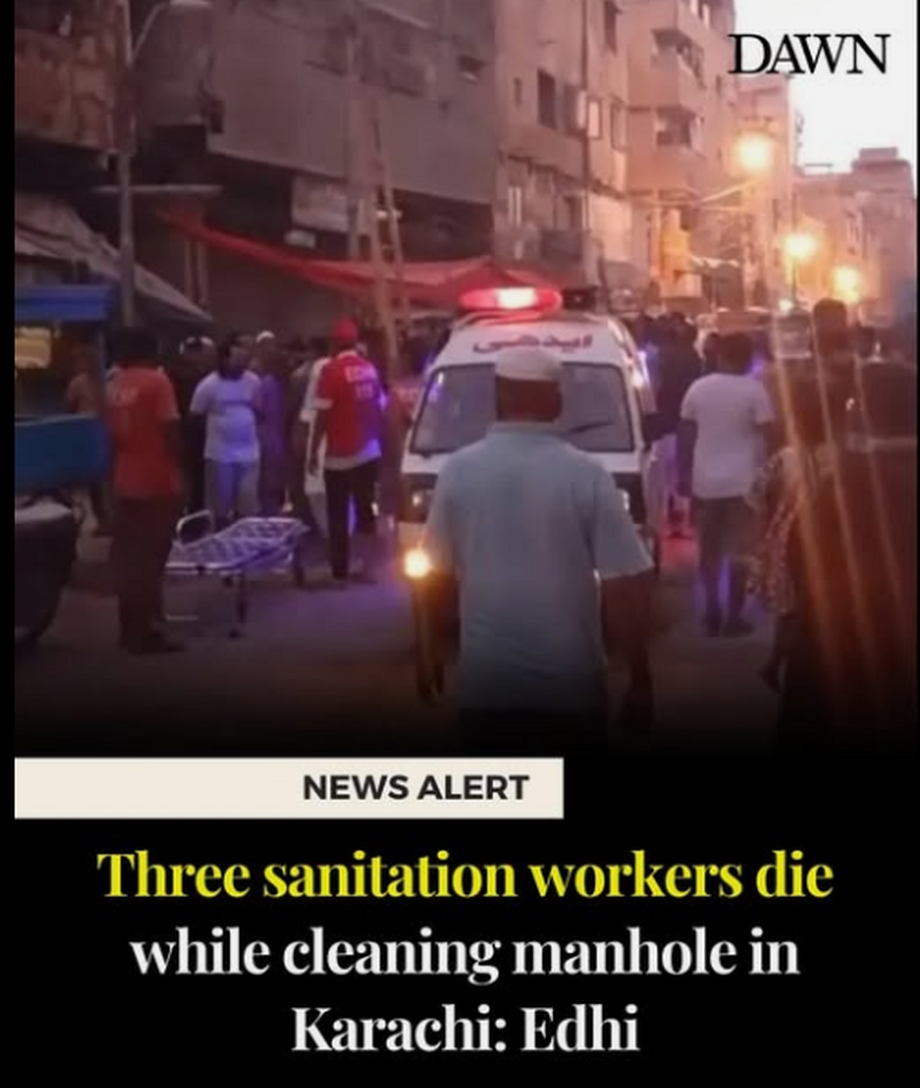
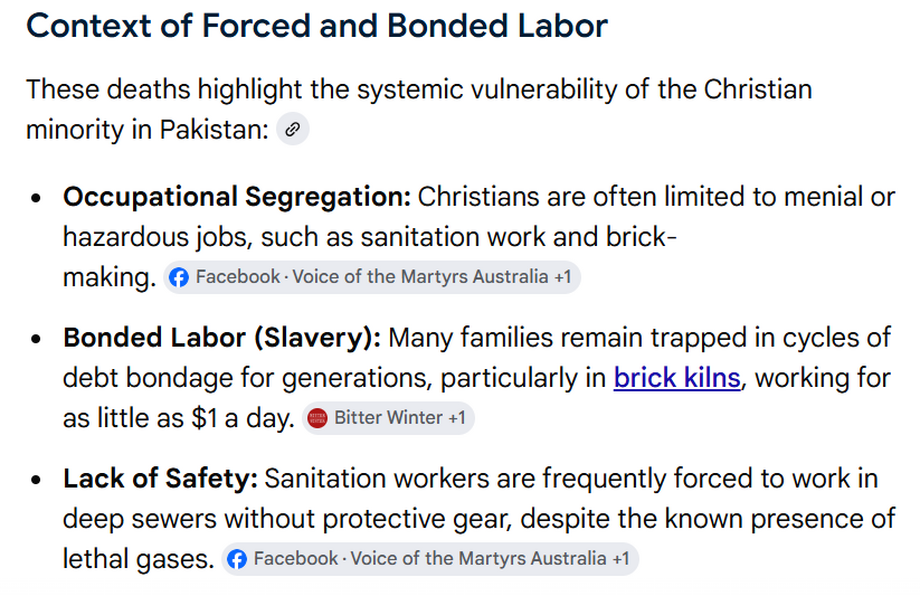
Pakistan’s Christians have long been marginalised and pushed into sewer cleaning work.In the absence of workplace health and safety regulations and ethical superintendence, Pakistan’s sanitation workers, about 85 percent of whom are Christian, are routinely exposed to a host of unsafe and deadly work practices. Pakistani Christians have continued to endure substandard living conditions, and in recent years, the community has been the target of escalating attacks due to growing intolerance. Christians have faced persecution, targeted killings, forced conversions, mob violence, and destruction of their places of worship and graves by perpetrators emboldened by the absence of meaningful action from the authorities and widespread impunity. The Christian minority has also been heavily persecuted under Pakistan’s blasphemy laws, which carry a possible death sentence for anyone found guilty of insulting Islam. The threat of being accused of blasphemy has also been used to intimidate the community. Pakistani Christians have been forced into sanitation work – a hazardous occupation – as a result of centuries-old discriminatory practices that limit their prospects, according to Asif Aqeel, deputy director of the Center for Law and Justice (CLJ), a minority-led policy research and minority rights organisation. This “cycle of abuse” has its roots in the caste system of the Indian subcontinent. Today, most Christian sanitation workers are treated as social outcasts. People generally avoid shaking hands, making friends, and even eating or drinking with them. Sewer gas is a combination of toxic and nontoxic gases found in different concentrations depending on the levels of waste and decay. Exposure in large concentrations to highly toxic components like hydrogen sulphide and ammonia can cause convulsions, inability to breathe, rapid unconsciousness, and death. In Pakistan, workers are routinely expected to work around raw sewage, sludge and septic tank waste without proper protective equipment.
Credit: Arab News Pakistan
Credit: Arab News Pakistan
Poverty deprives people of adequate education, health care and of life's most basic necessities- safe living conditions (including clean air and clean drinking water) and an adequate food supply. The developed (industrialized) countries today account for roughly 20 percent of the world's population but control about 80 percent of the world's wealth.
Poverty and pollution seem to operate in a vicious cycle that, so far, has been hard to break. Even in the developed nations, the gap between the rich and the poor is evident in their respective social and environmental conditions.
Poverty and pollution seem to operate in a vicious cycle that, so far, has been hard to break. Even in the developed nations, the gap between the rich and the poor is evident in their respective social and environmental conditions.