30.04.2026
Marine Oil Spill Clean-Up On Technologies With Recent Trends
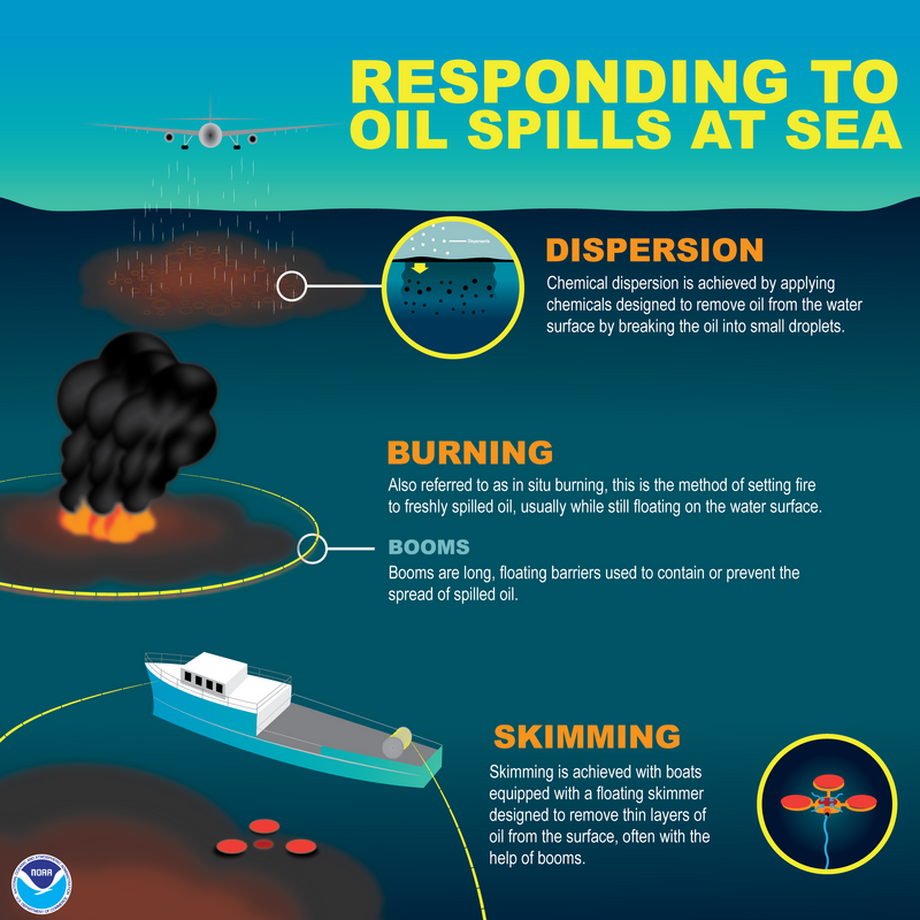
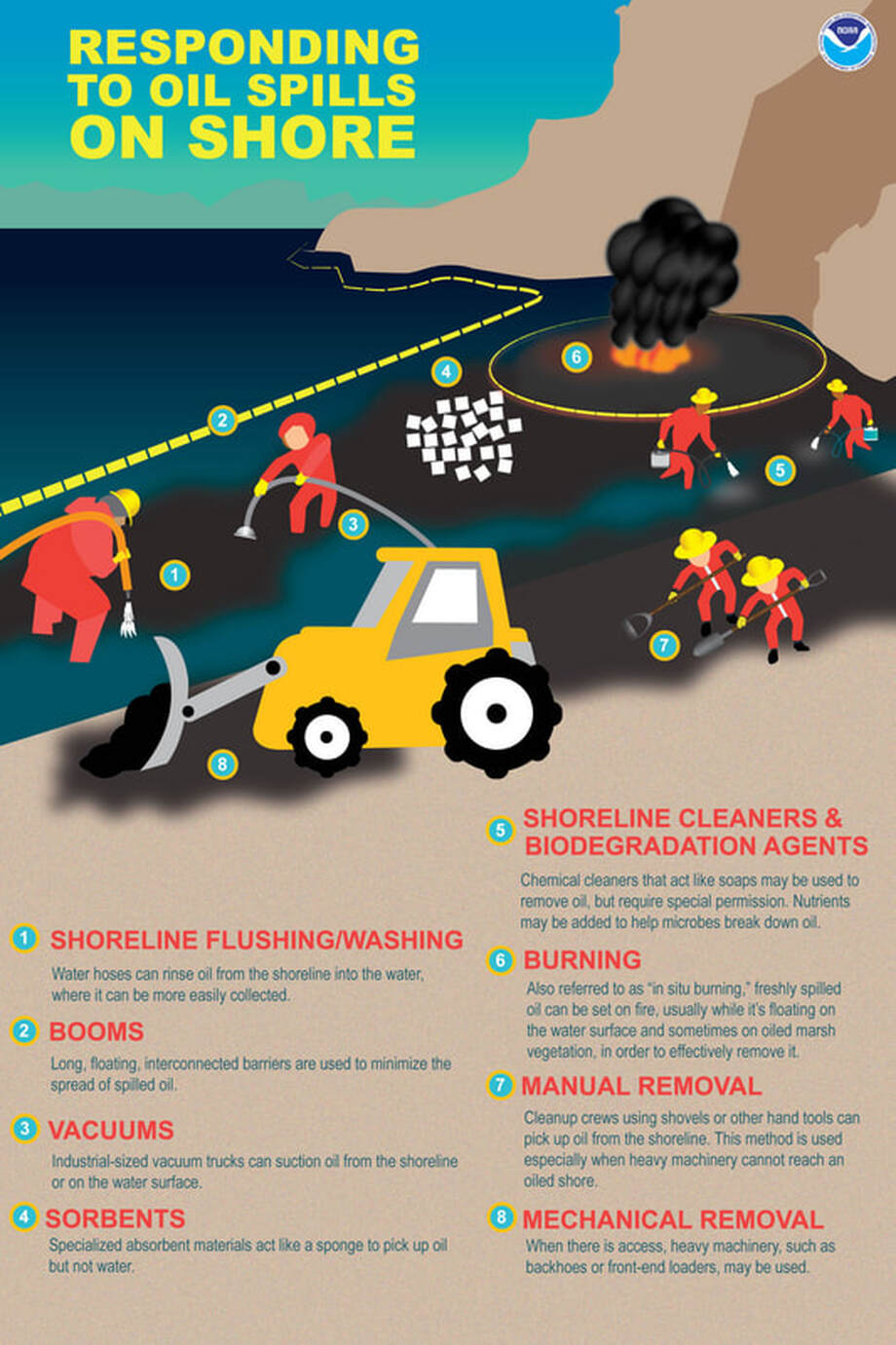
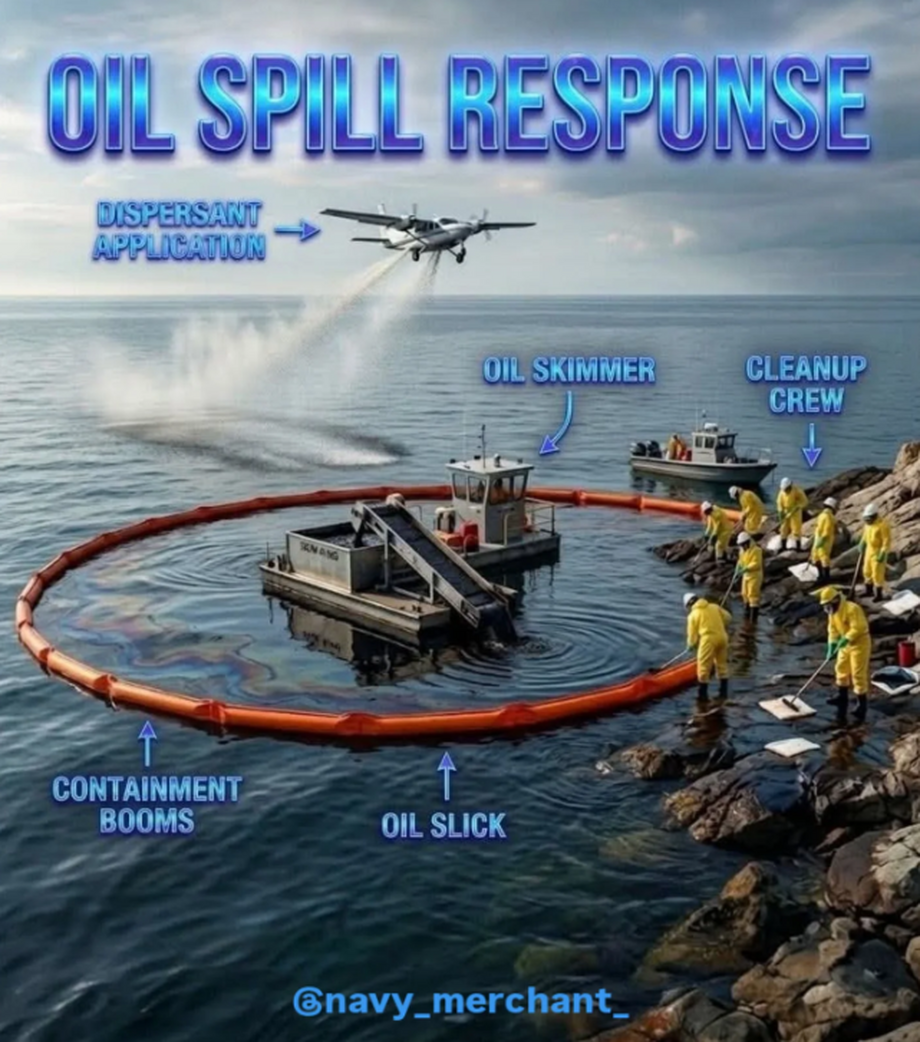
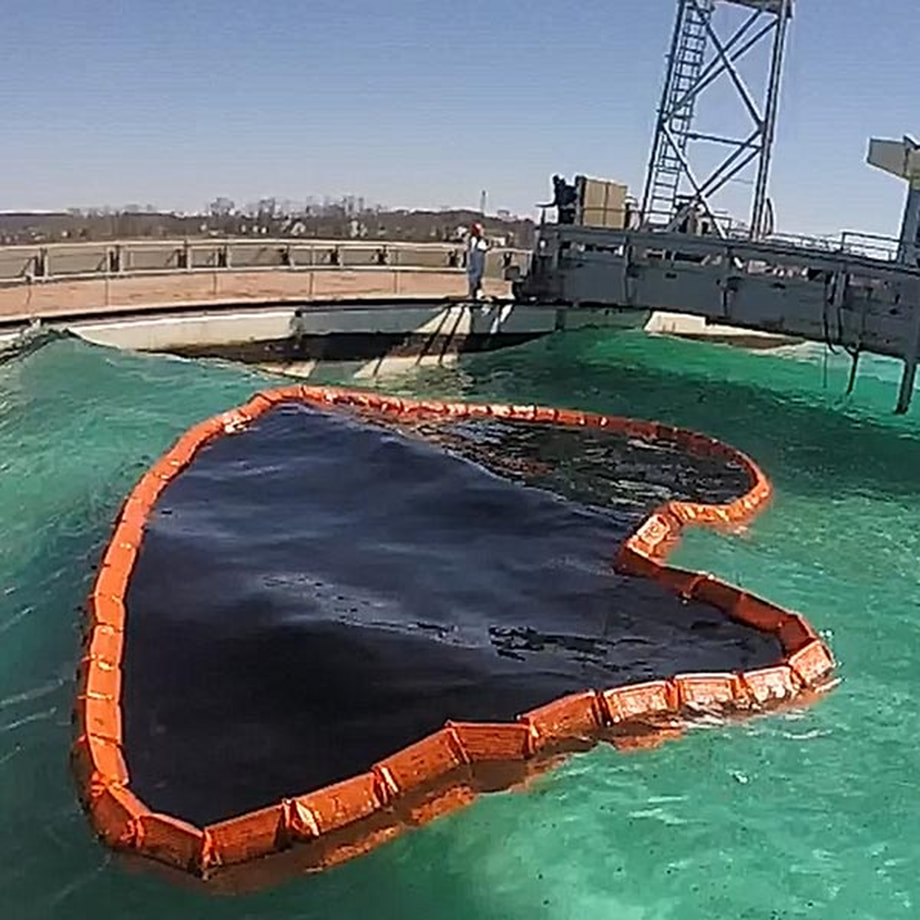
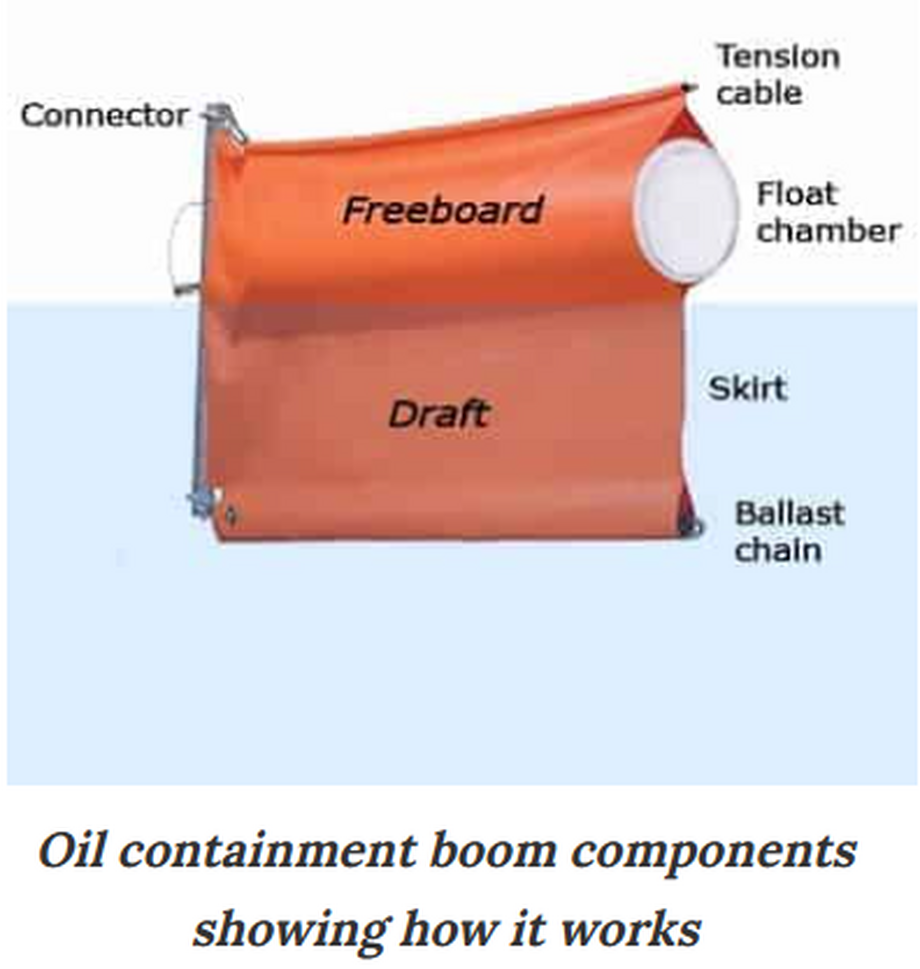
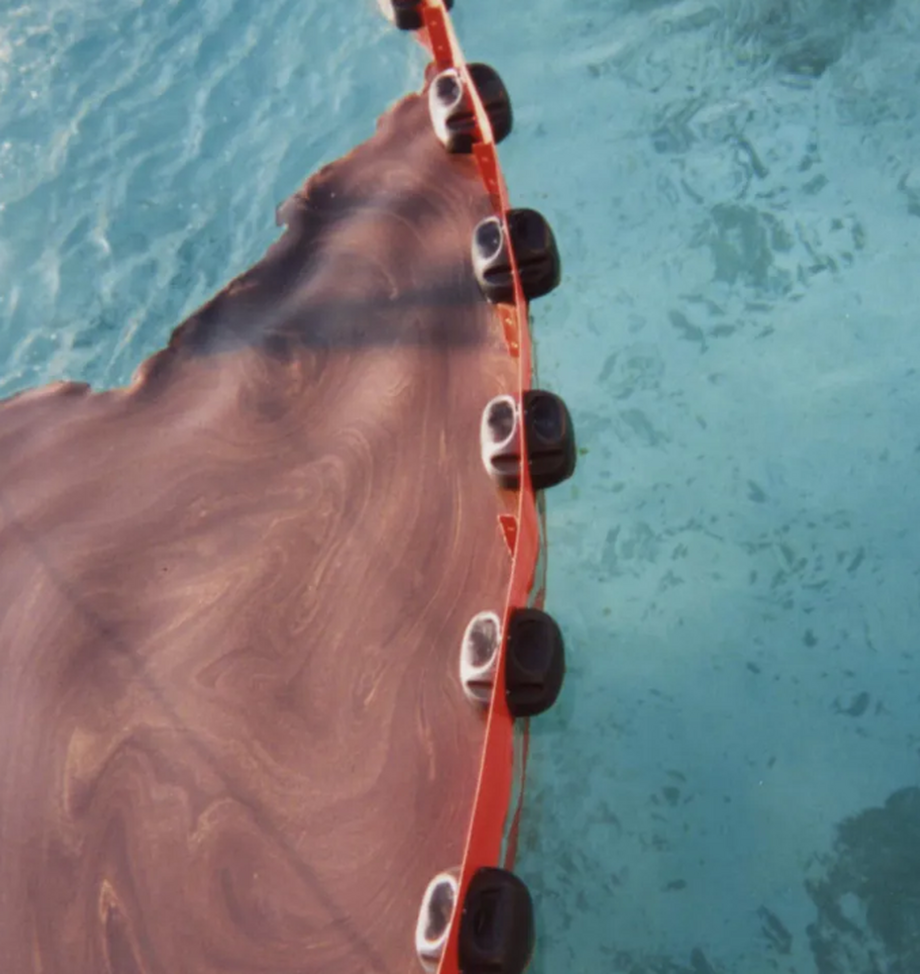
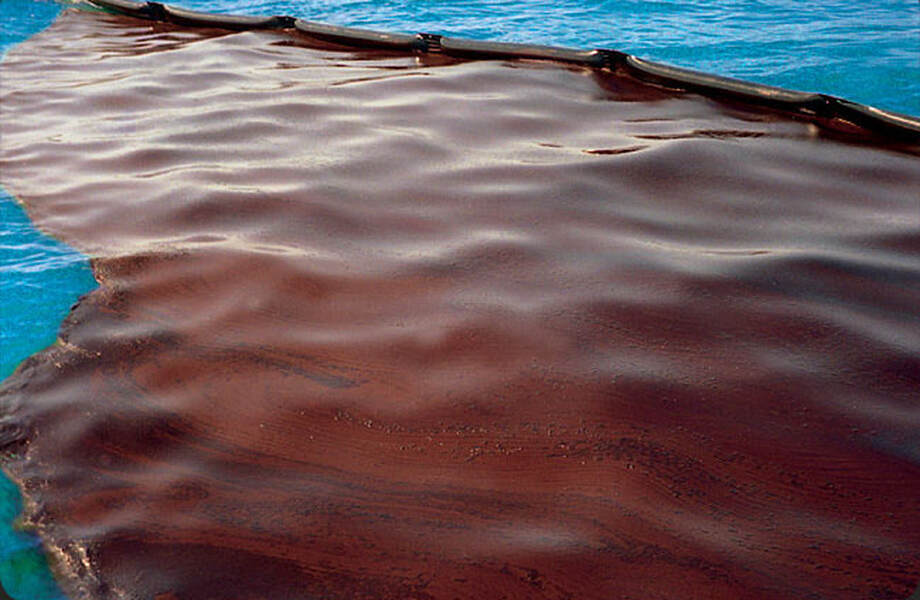
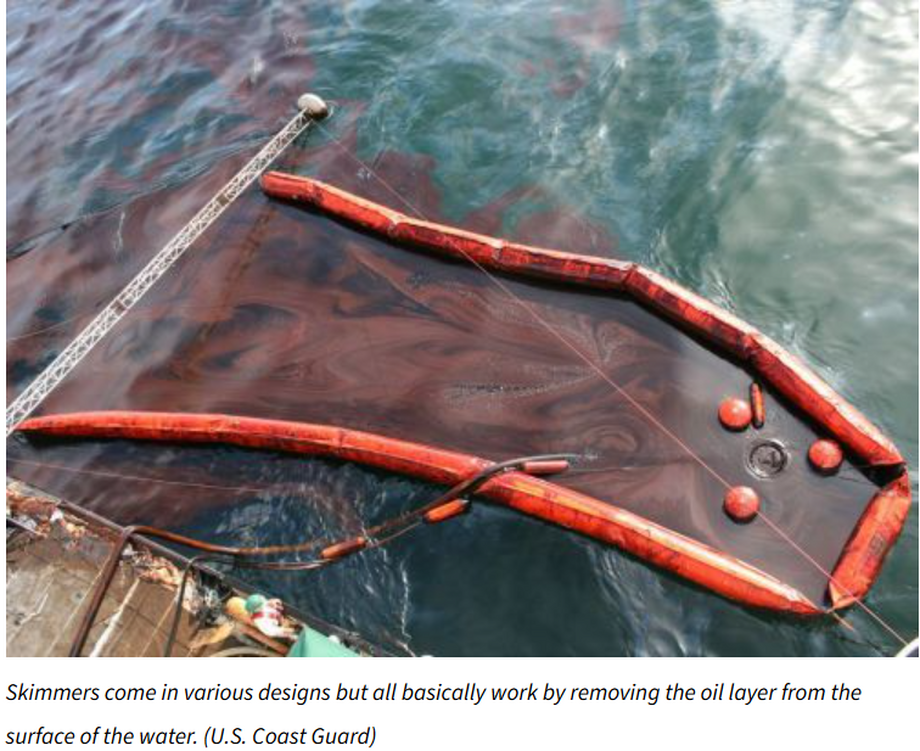
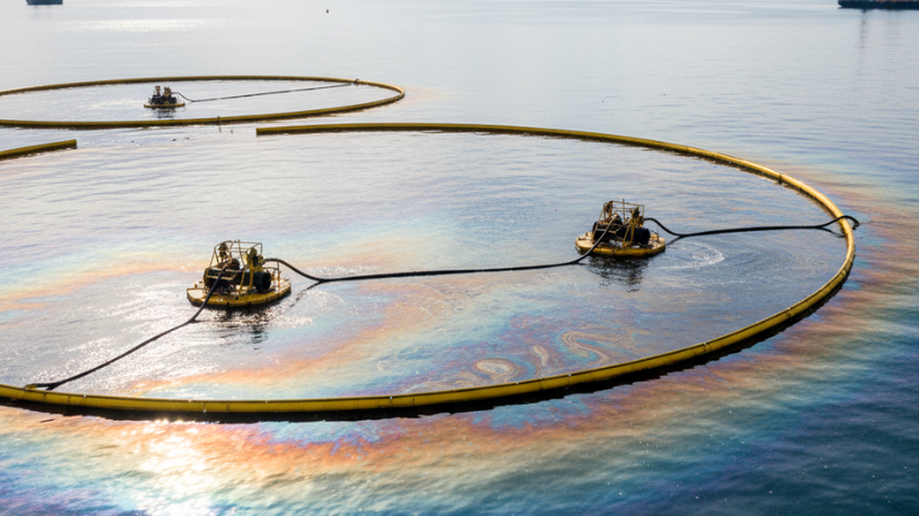
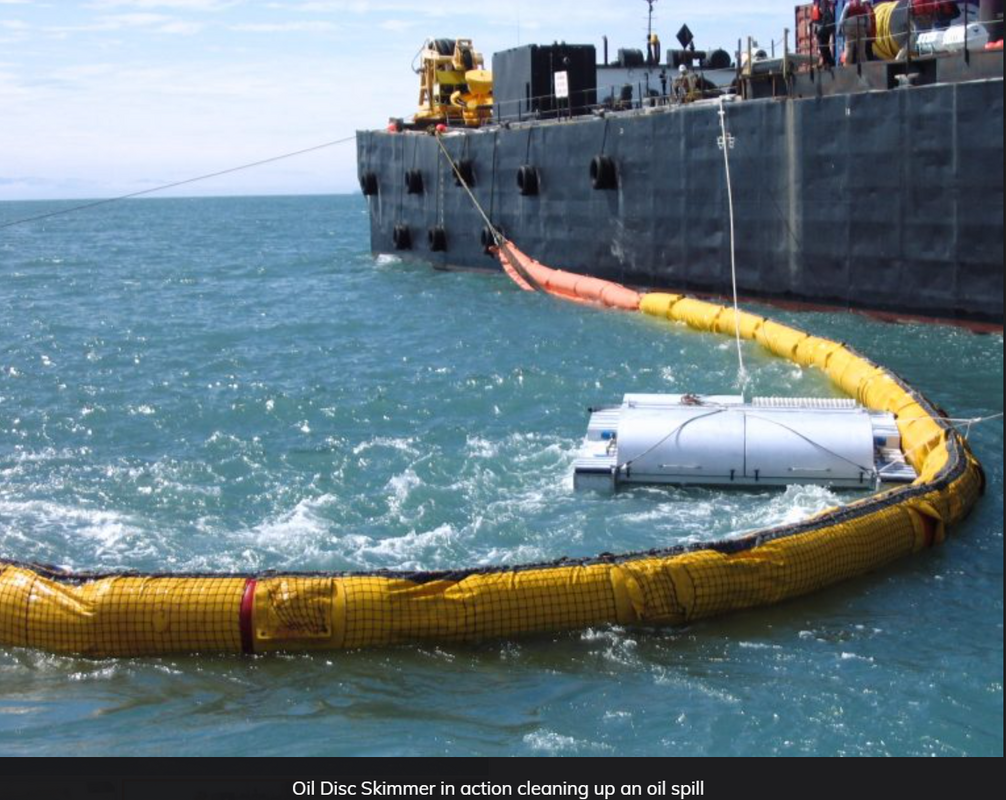
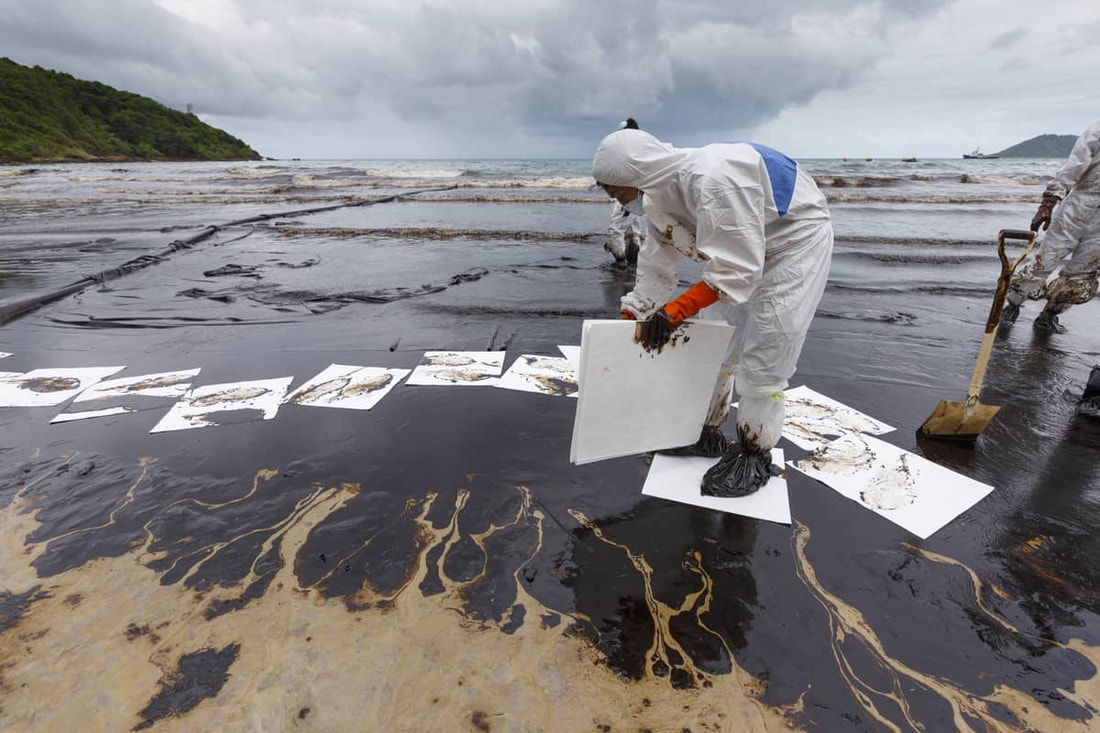
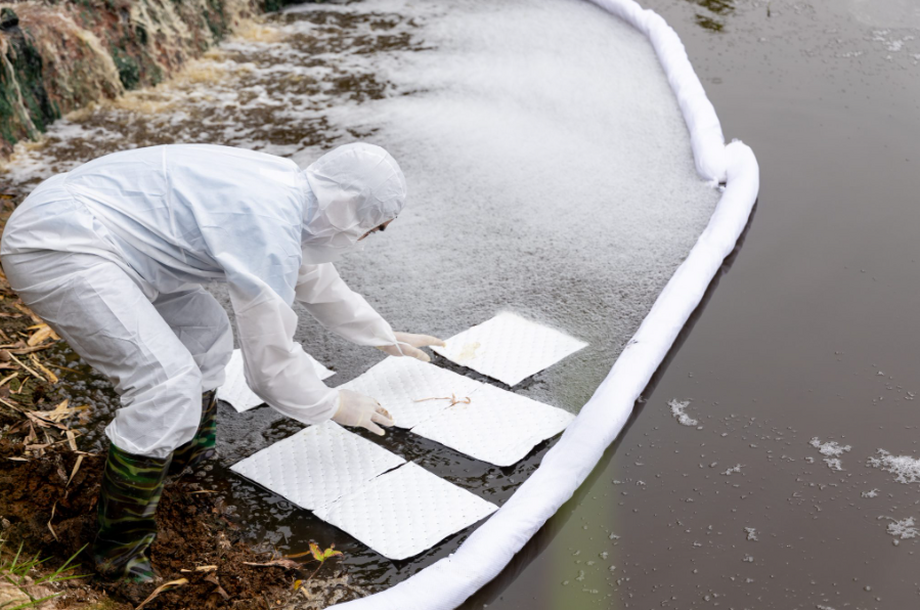
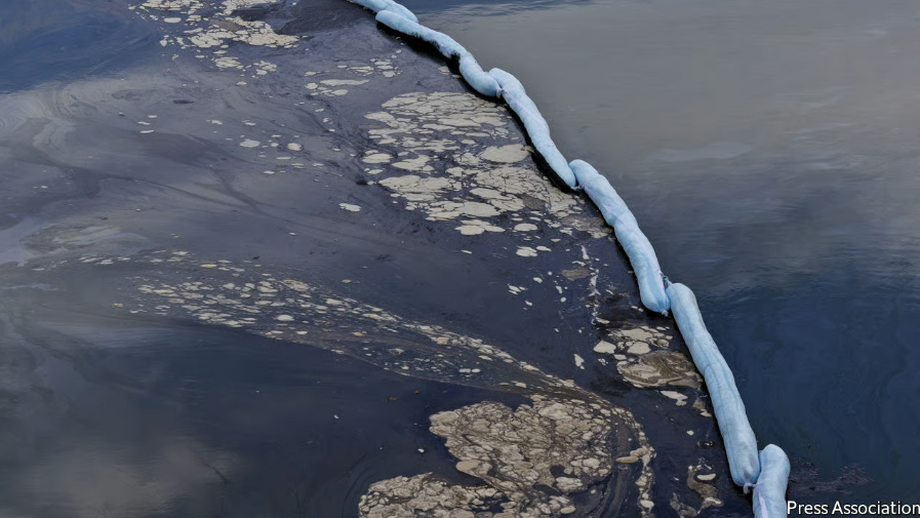
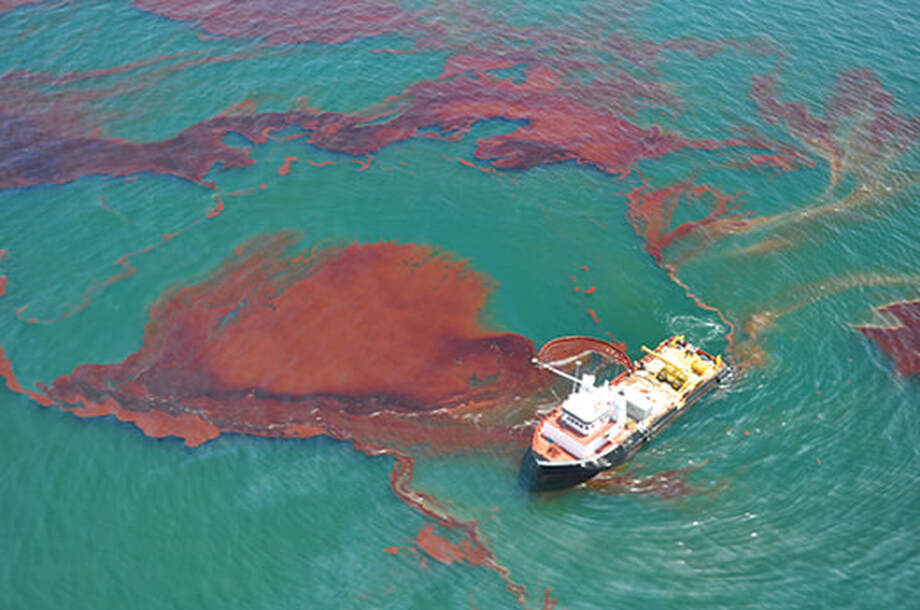
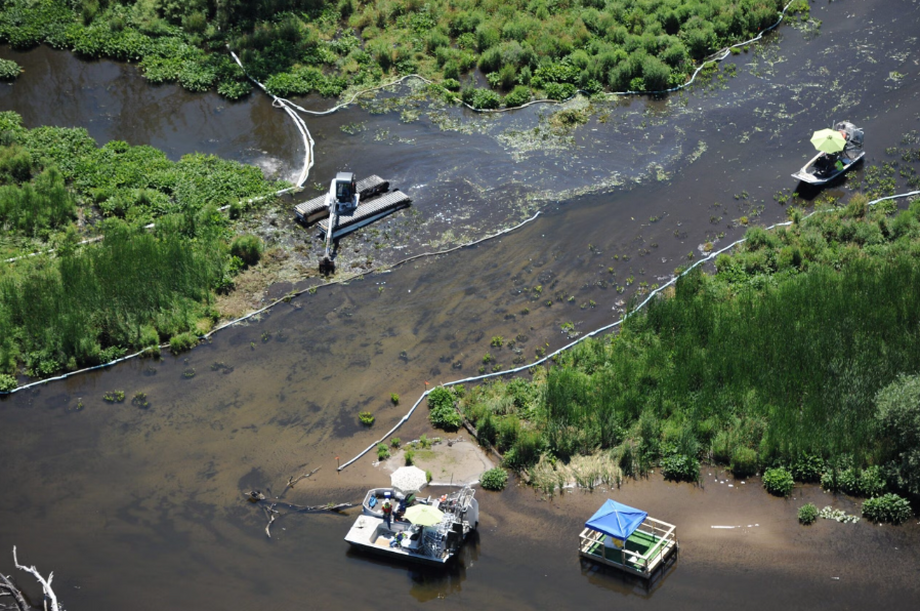
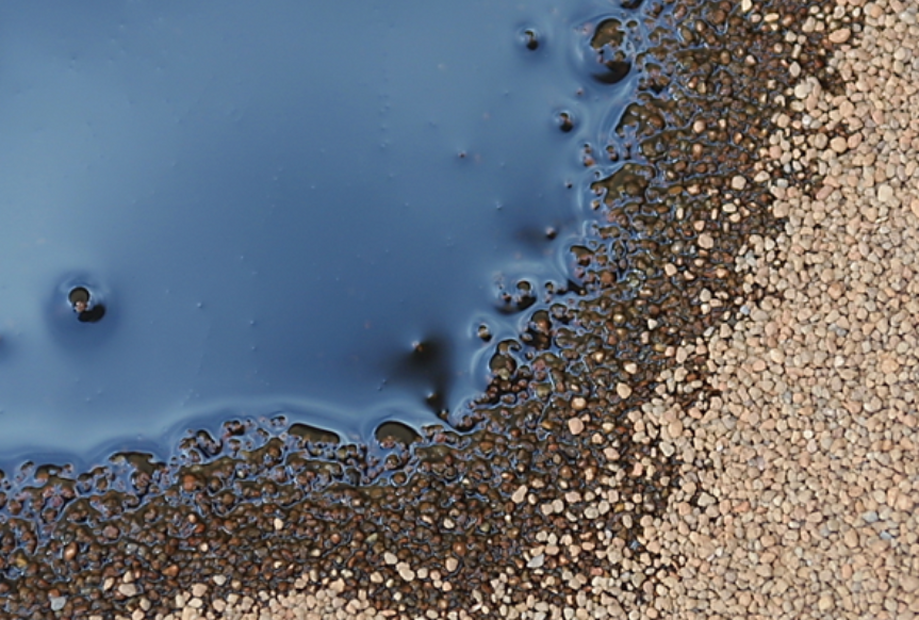
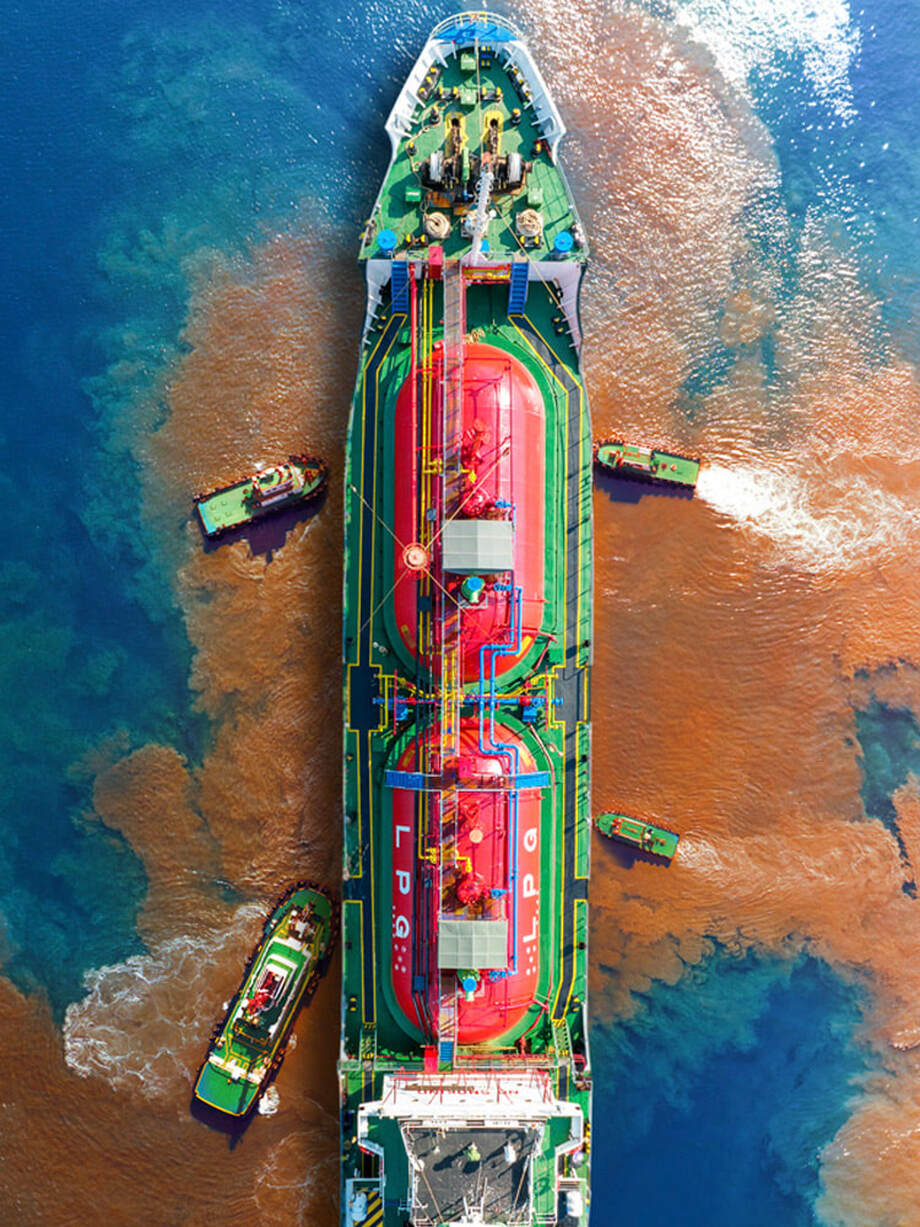
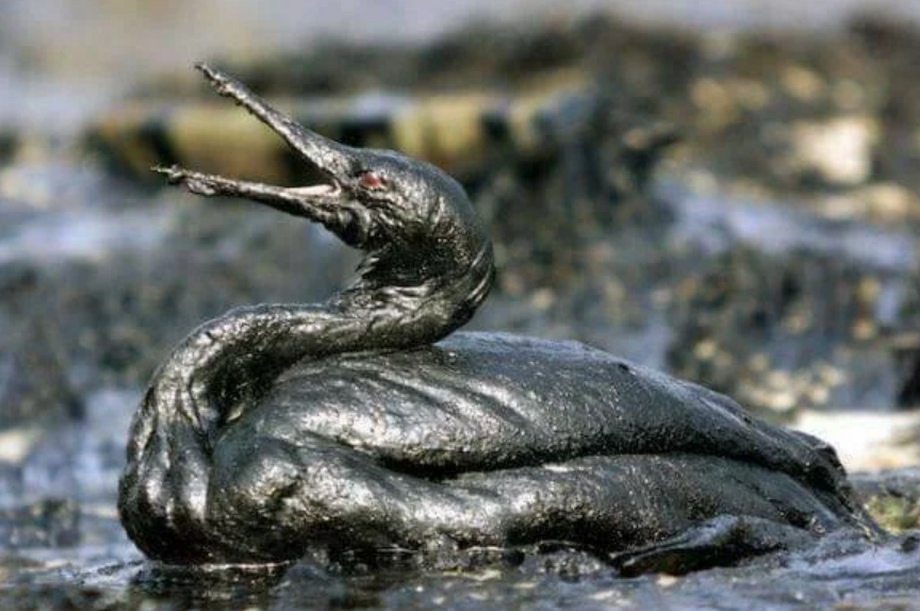
When oil spills, it causes immediate environmental disaster by coating wildlife, destroying ecosystems, and releasing toxic chemicals. The oil spreads via wind and currents, undergoing weathering—evaporation, dispersion, and emulsification—which determines its persistence. Response typically involves containment (booms), removal (skimmers), and cleanup. When oil spills into the ocean, it can spread at rates exceeding 100 feet per minute, enabling significant, rapid environmental damage within hours. This rapid dispersion necessitates immediate response, as booming systems and skimmers often struggle to contain oil moving at these speeds, which can flow under barriers at high velocity. Oil containment booms are floating barriers used to manage marine spills by preventing the spread of oil and facilitating its removal. They consist of a freeboard for buoyancy, a skirt to prevent oil from escaping below, and ballast for stability. Key solutions include Elastec inflatable booms for rapid deployment and ocean-ready hard booms that resist strong currents. Oil spill skimmer vessels are specialized vessels and apparatus designed to recover oil from water surfaces. Key solutions include Elastec disc/drum skimmers for high-efficiency recovery, Vikoma systems for fast, low-water-content separation, and Hytrans Rapid-response FORU skimmers. These technologies use oleophilic materials or gravity to remove contaminants, often operating through ITOPF recognized techniques to minimize environmental impact.
Credit: Fossbytes
Credit: Fossbytes
Poverty deprives people of adequate education, health care and of life's most basic necessities- safe living conditions (including clean air and clean drinking water) and an adequate food supply. The developed (industrialized) countries today account for roughly 20 percent of the world's population but control about 80 percent of the world's wealth.
Poverty and pollution seem to operate in a vicious cycle that, so far, has been hard to break. Even in the developed nations, the gap between the rich and the poor is evident in their respective social and environmental conditions.
Poverty and pollution seem to operate in a vicious cycle that, so far, has been hard to break. Even in the developed nations, the gap between the rich and the poor is evident in their respective social and environmental conditions.