26.02.2026
The Surprising Importance of Mosquitoes to the Environment
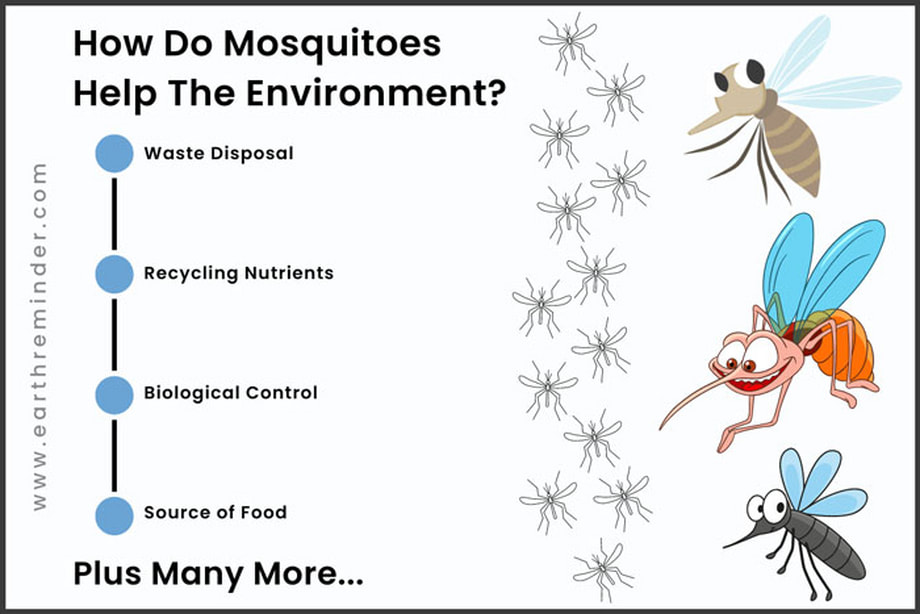
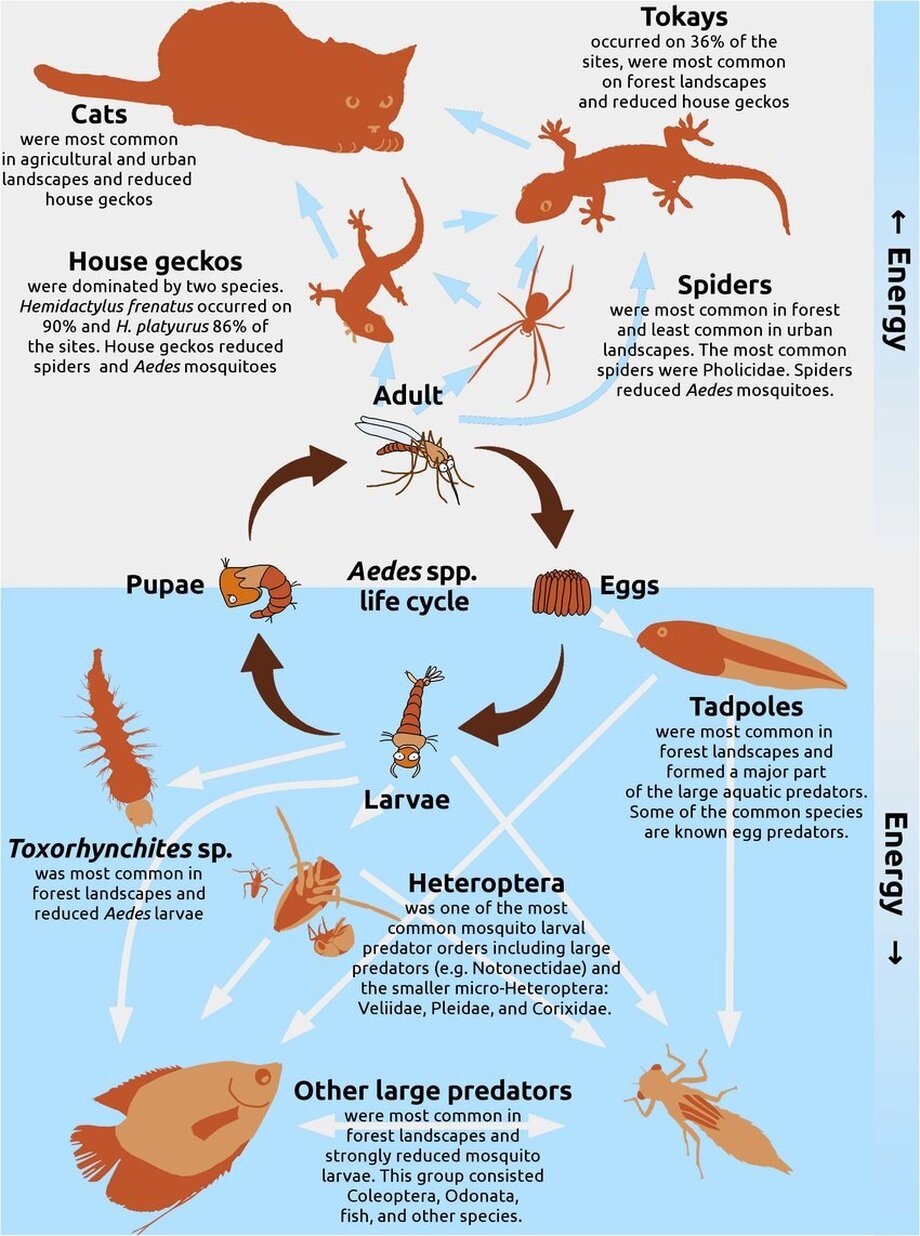
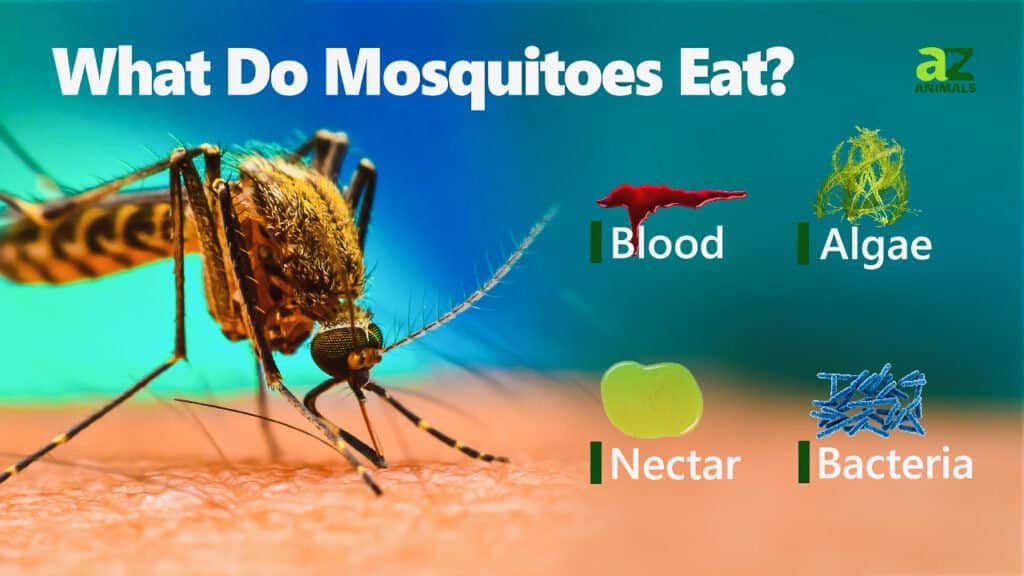
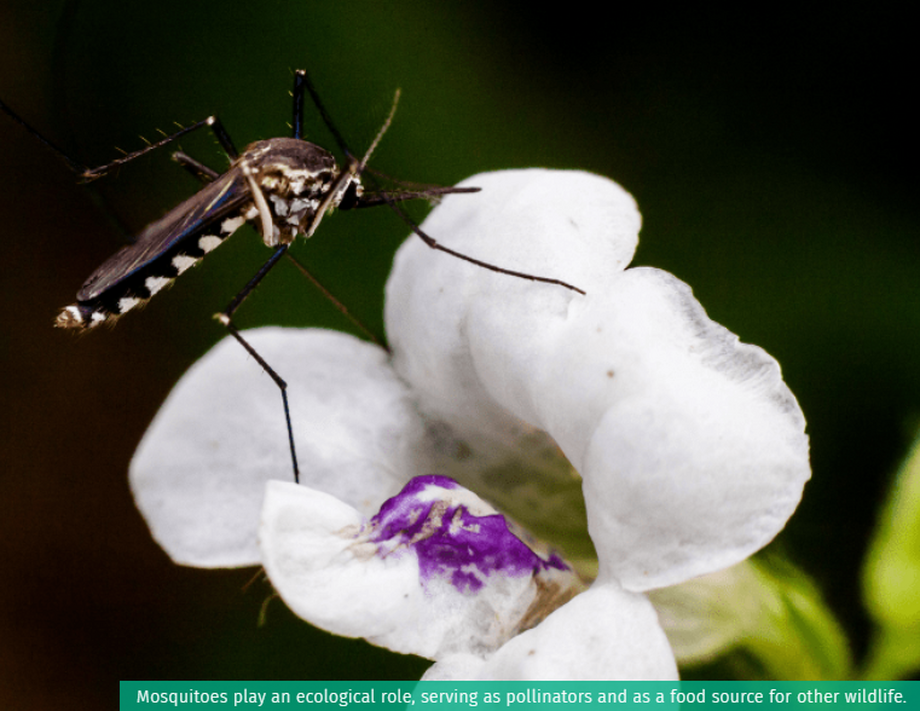
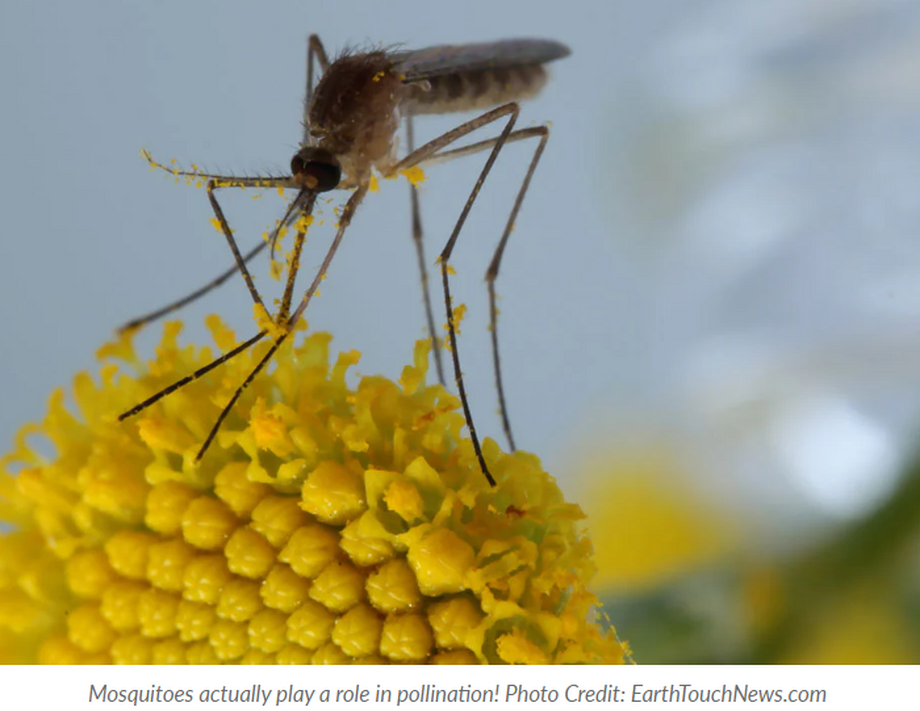
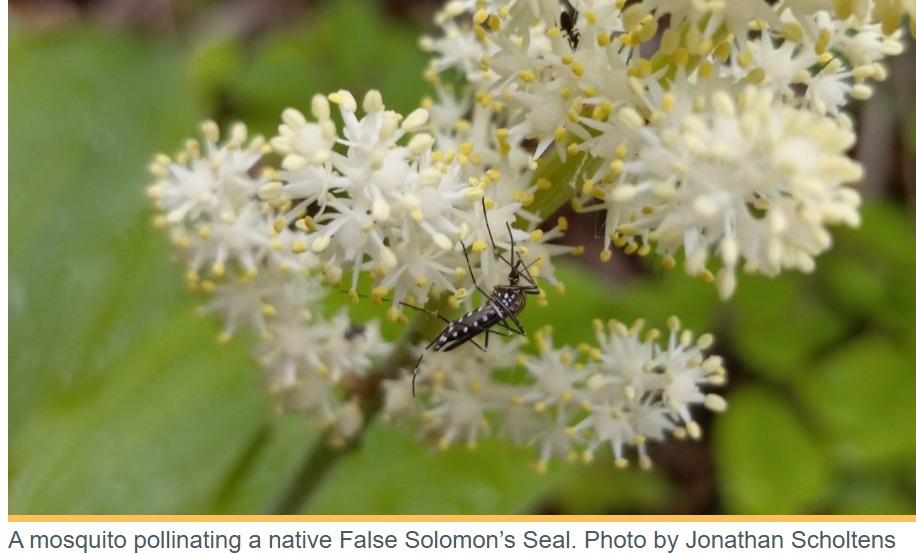
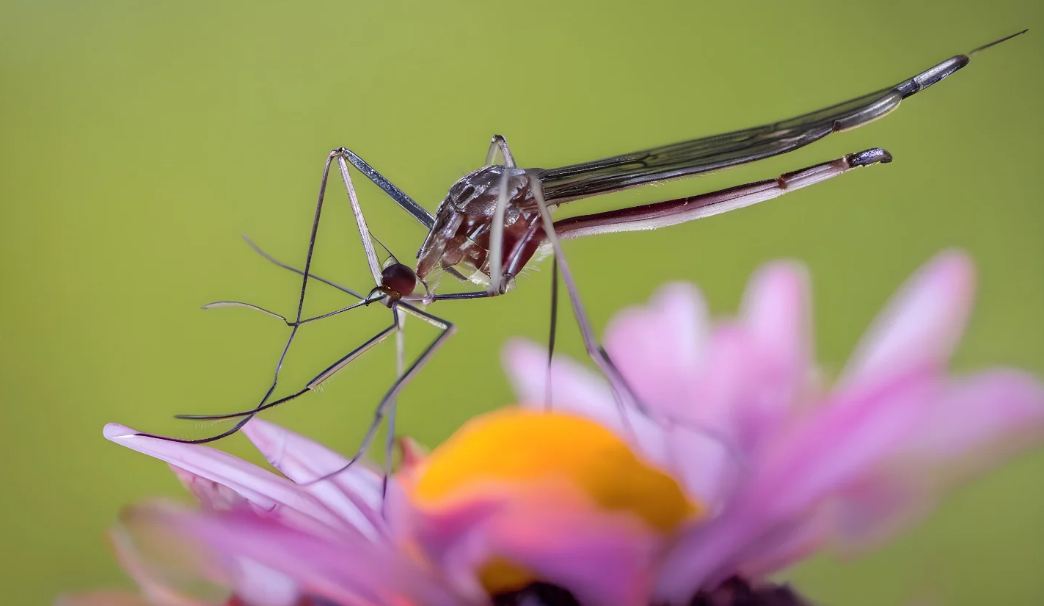
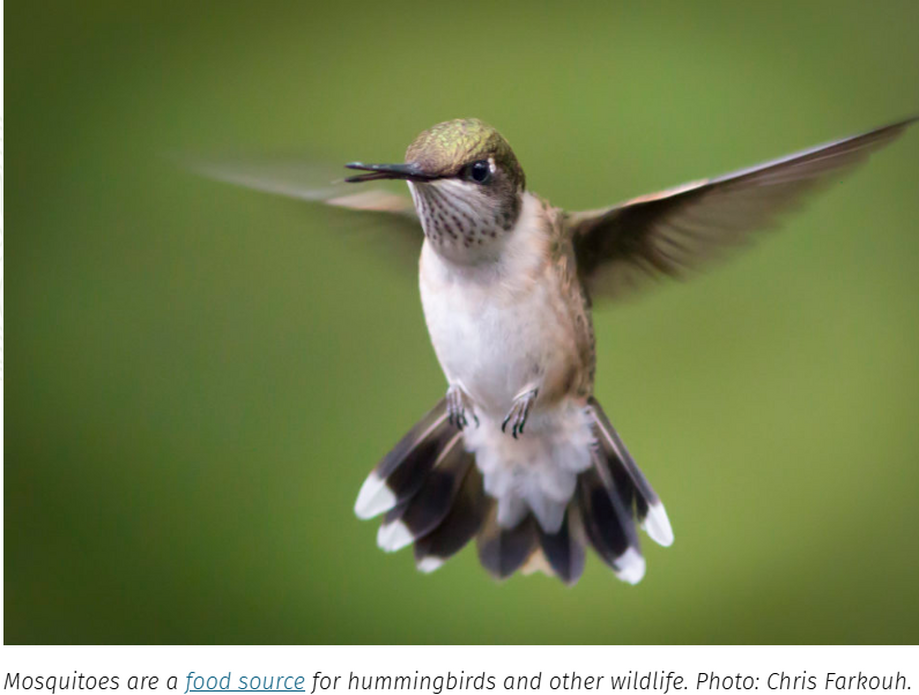
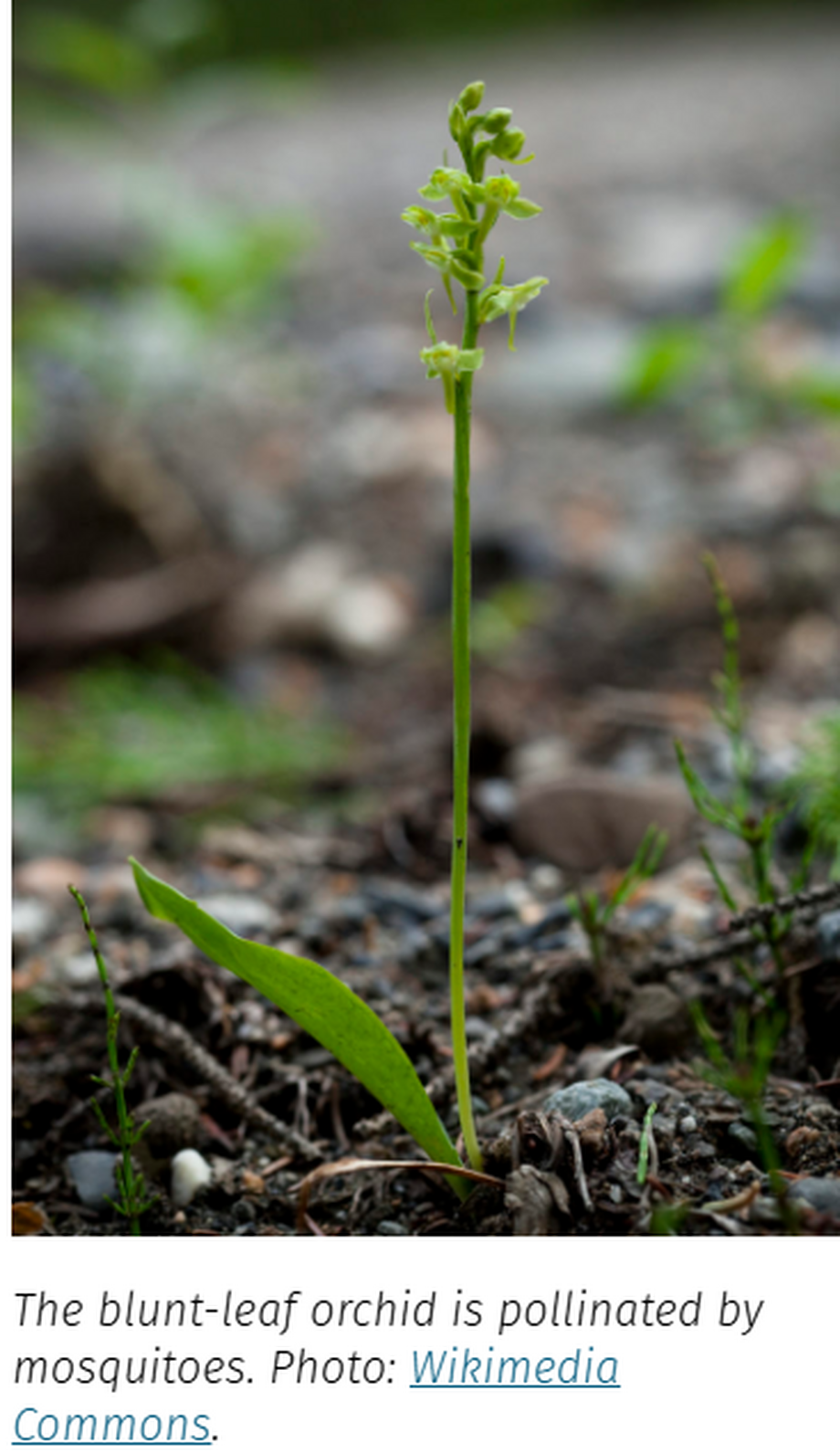
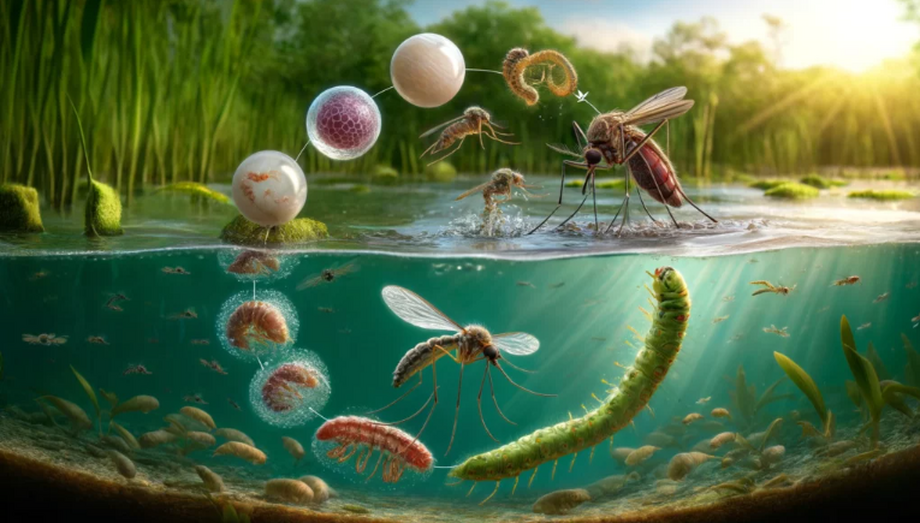
Mosquitoes play a significant role in ecosystems as a vital food source for birds, bats, fish, and insects, particularly during their aquatic larval stage. They also contribute to nutrient cycling in wetlands and serve as pollinators when feeding on nectar, their presence helps support various food chains. Although they are generally considered pests due to disease transmission, they provide essential biomass in both aquatic and terrestrial ecosystems. While mosquitoes are not commonly recognized as pollinators like bees or butterflies, certain mosquito species do contribute to the pollination of plants. Female mosquitoes require nectar as a source of energy before and after blood feeding. During this process, they inadvertently transfer pollen from flower to flower, aiding in the pollination of various plant species. This incidental pollination, though not as efficient as that performed by specialized pollinators, still contributes to plant reproduction and the diversity of plant communities. Mosquitoes also serve as a vital food source for numerous organisms, playing a significant role in various food chains and ecological interactions. Larval mosquitoes are consumed by fish, amphibians, and other aquatic organisms. Adult mosquitoes provide nourishment for a wide array of animals, including birds, bats, dragonflies, and spiders. For many of these species, mosquitoes represent an essential part of their diet, particularly during breeding seasons when energy demands are high. Removing mosquitoes from the ecosystem could disrupt these intricate food webs, potentially leading to cascading effects throughout the ecosystem. Mosquitoes, both as larvae and adults, contribute to nutrient cycling in aquatic and terrestrial ecosystems. Mosquito larvae consume organic matter and microorganisms in stagnant water bodies, helping to break down and recycle nutrients. When adult mosquitoes emerge and disperse, they become part of the nutrient cycle as their bodies decompose and provide nourishment for scavengers and decomposers.
Credit: Life Laps
Credit: Life Laps
Poverty deprives people of adequate education, health care and of life's most basic necessities- safe living conditions (including clean air and clean drinking water) and an adequate food supply. The developed (industrialized) countries today account for roughly 20 percent of the world's population but control about 80 percent of the world's wealth.
Poverty and pollution seem to operate in a vicious cycle that, so far, has been hard to break. Even in the developed nations, the gap between the rich and the poor is evident in their respective social and environmental conditions.
Poverty and pollution seem to operate in a vicious cycle that, so far, has been hard to break. Even in the developed nations, the gap between the rich and the poor is evident in their respective social and environmental conditions.