12.05.2026
It is Raining Microplastics In Indonesia
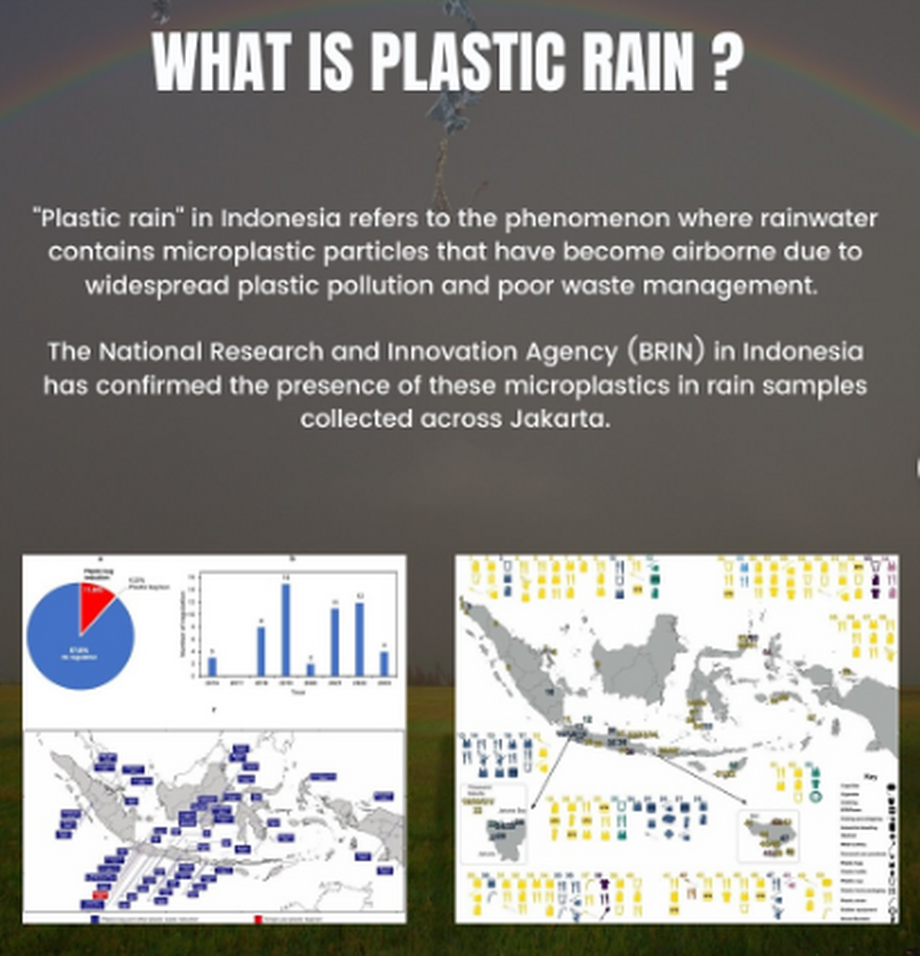
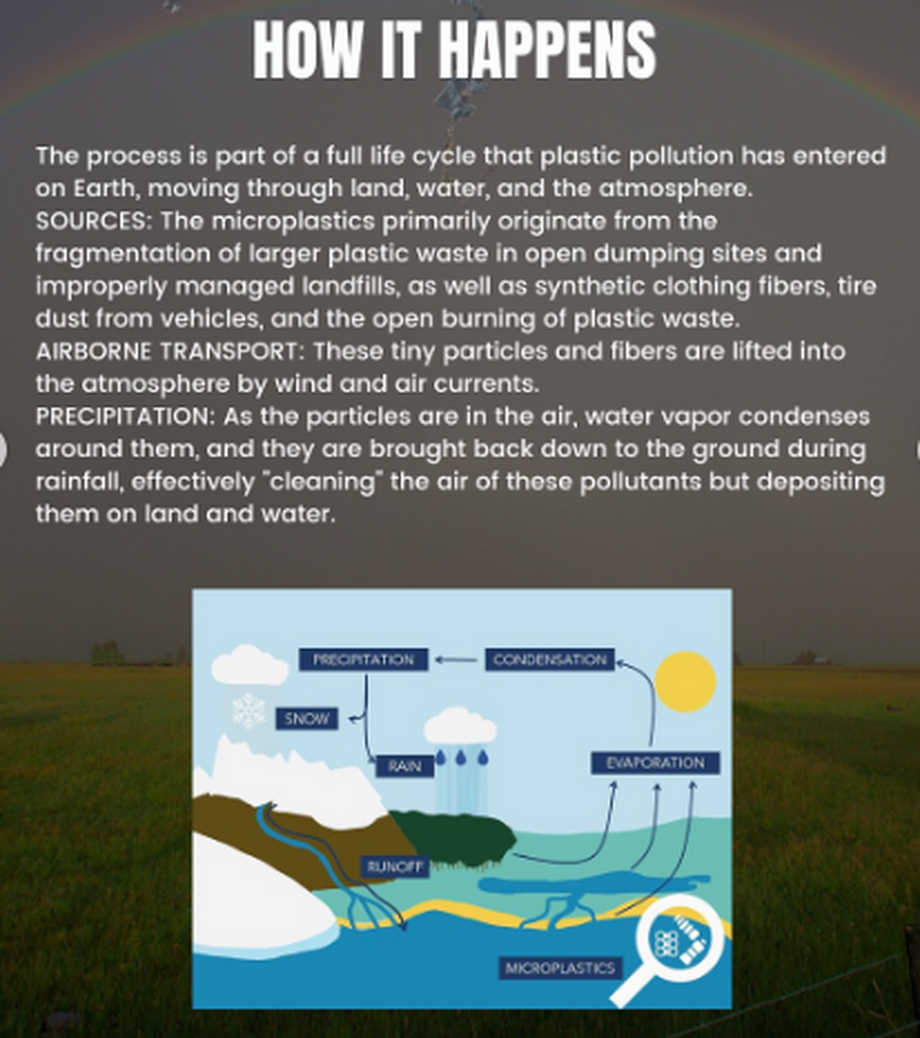
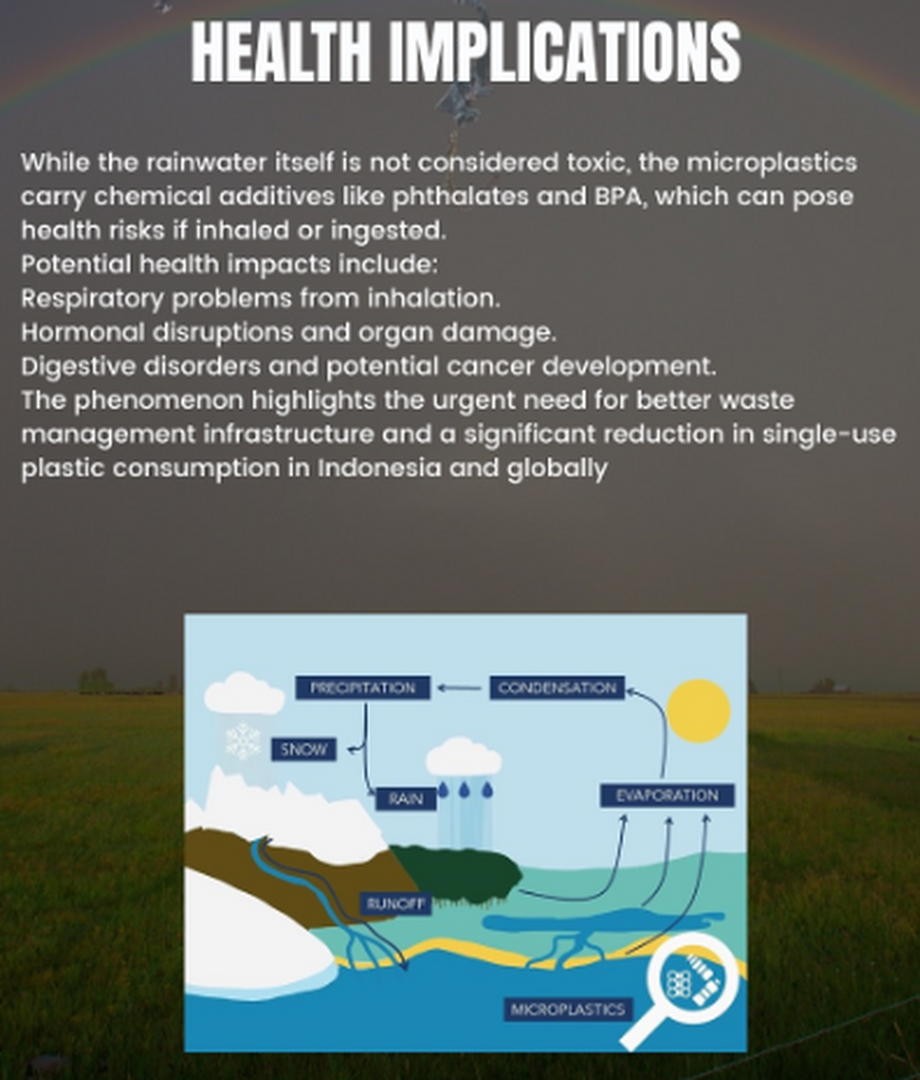
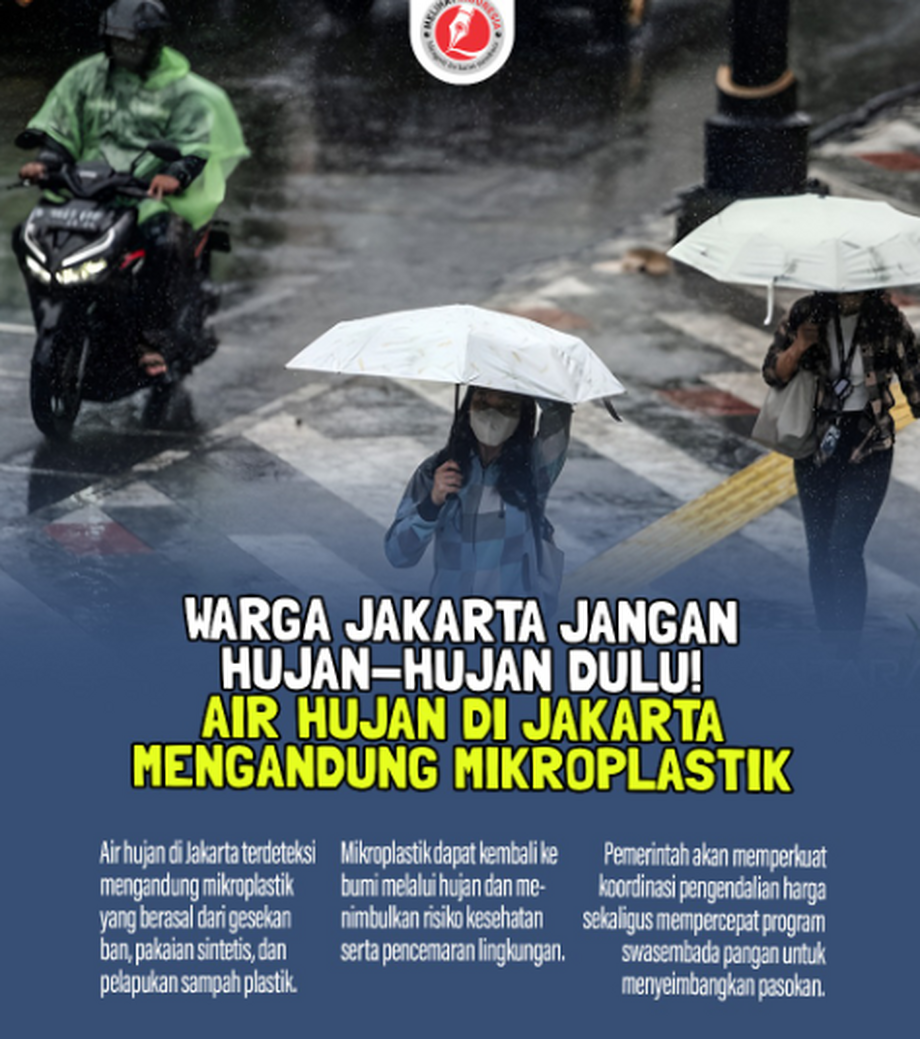
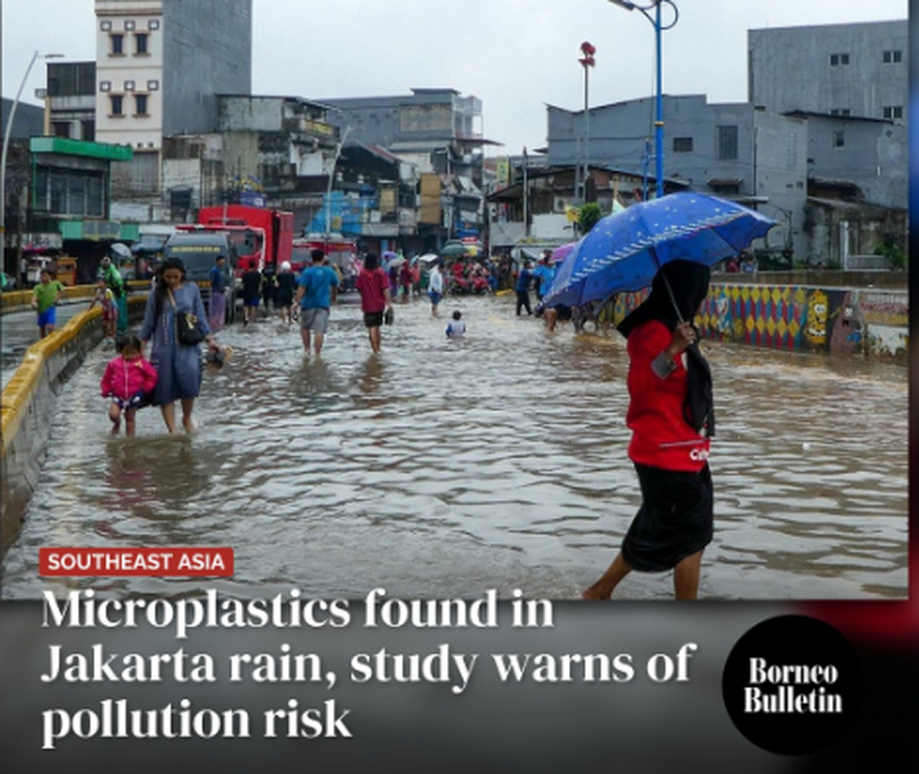
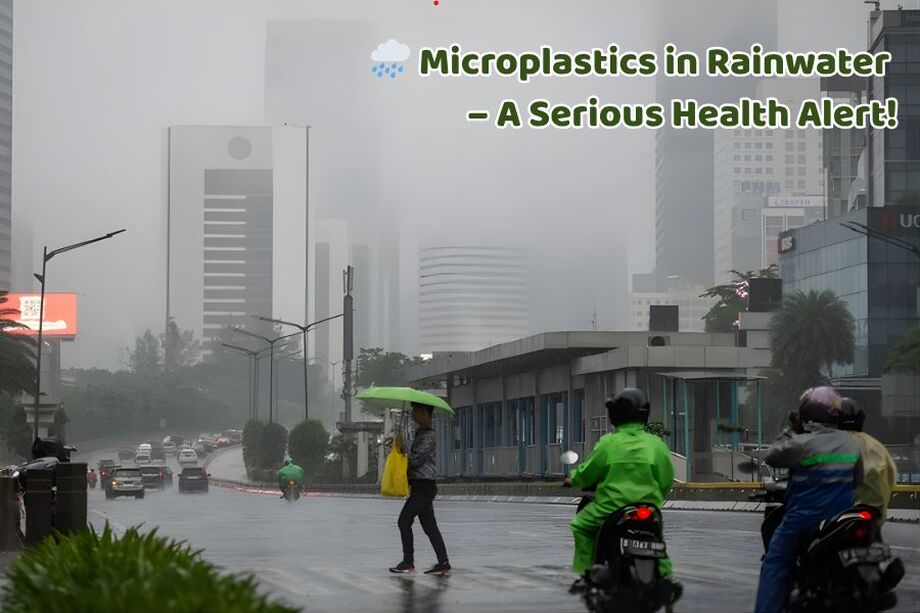
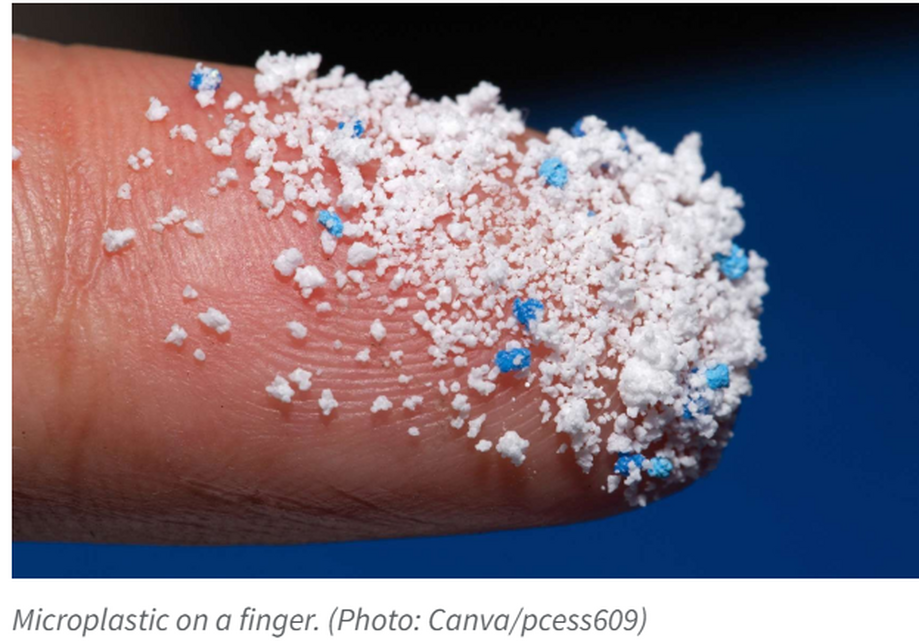
A new study has found that rainwater in Indonesia’s capital Jakarta contains microplastics and potentially other toxic chemicals harmful to public health, raising alarm over the pervasiveness of such particles in the country’s biome – down to food consumed. Raindrops were picking up microplastics floating in Jakarta’s air, Indonesia’s National Research and Innovation Agency (BRIN) revealed in its newest study. Samples of rainwater collected in coastal areas of Jakarta were found to contain about 40 microplastic particles per sqm. The microplastics come from synthetic fibres in clothes, vehicle and tyre dust, residue from burned plastics, and degraded plastics in the open. The samples mainly contained polyester, nylon, polyethylene, polypropylene, and polybutadiene, appearing as synthetic fibers and plastic fragments. It was explained that the microplastics result from atmospheric deposition, in which airborne plastic particles mix with the water cycle and return to Earth with rain. The finding underscores air pollution concerns, as the particles can enter the human body through air or water. Global studies have shown microplastics may cause oxidative stress, hormonal disruption, and tissue damage in humans.
Credit: DW
Credit: DW
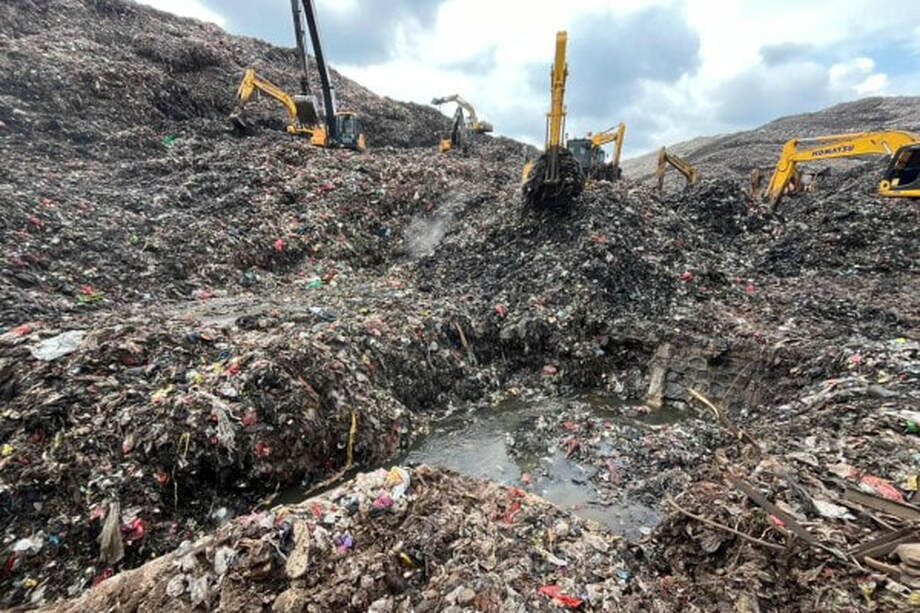
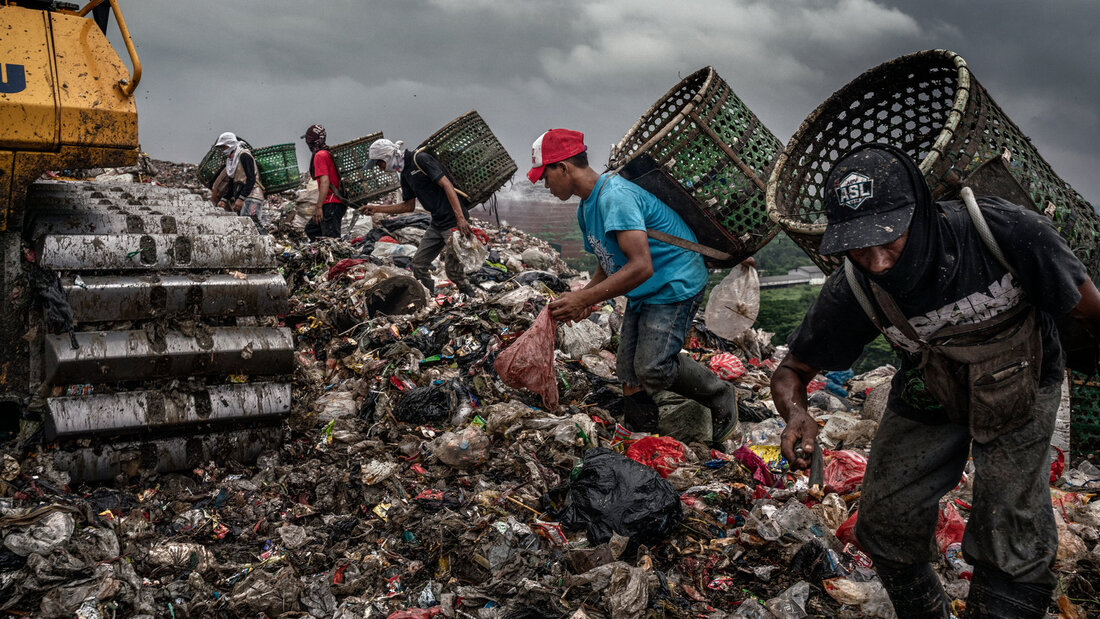
Poverty deprives people of adequate education, health care and of life's most basic necessities- safe living conditions (including clean air and clean drinking water) and an adequate food supply. The developed (industrialized) countries today account for roughly 20 percent of the world's population but control about 80 percent of the world's wealth.
Poverty and pollution seem to operate in a vicious cycle that, so far, has been hard to break. Even in the developed nations, the gap between the rich and the poor is evident in their respective social and environmental conditions.
Poverty and pollution seem to operate in a vicious cycle that, so far, has been hard to break. Even in the developed nations, the gap between the rich and the poor is evident in their respective social and environmental conditions.