22.04.2026
Indonesia’s Childhood Stunting Rises To 24% In Children Aged Under Five
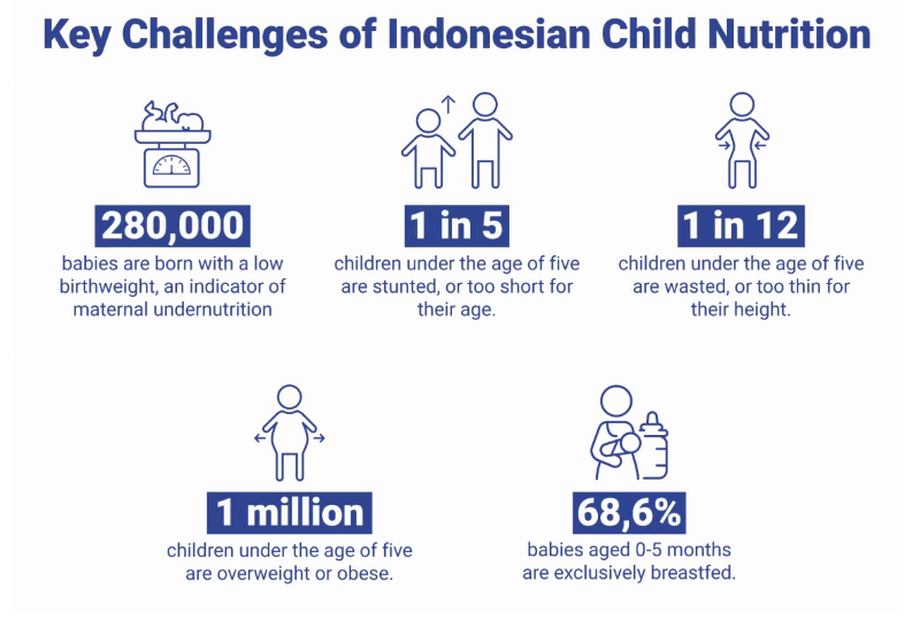
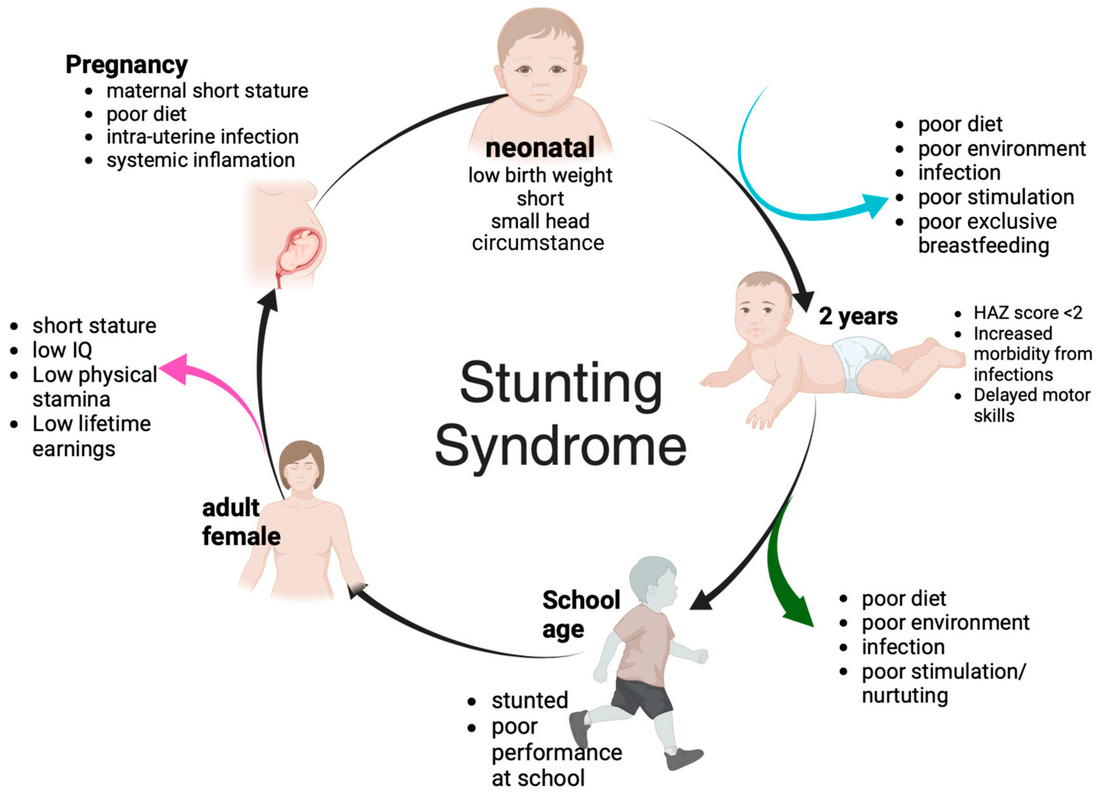
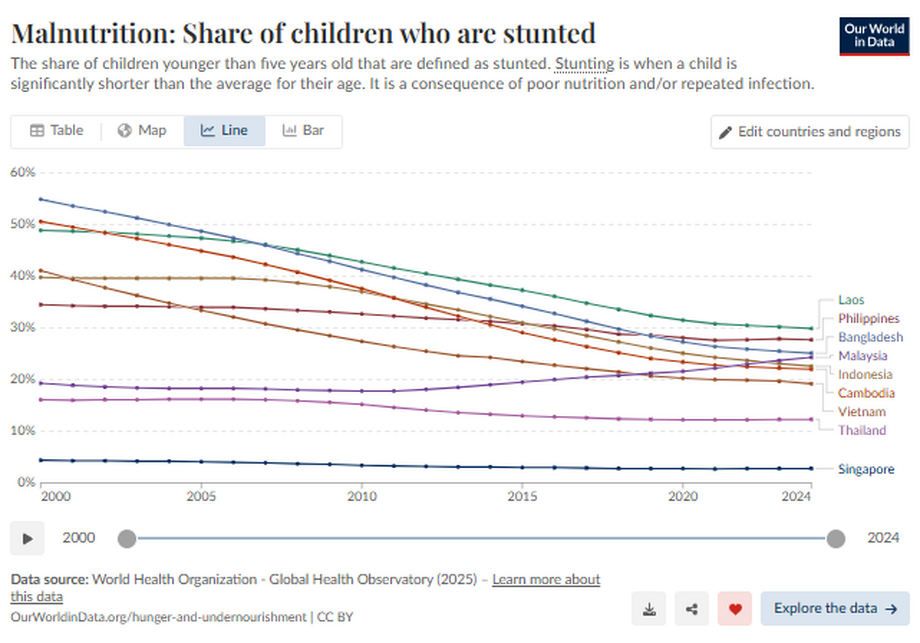
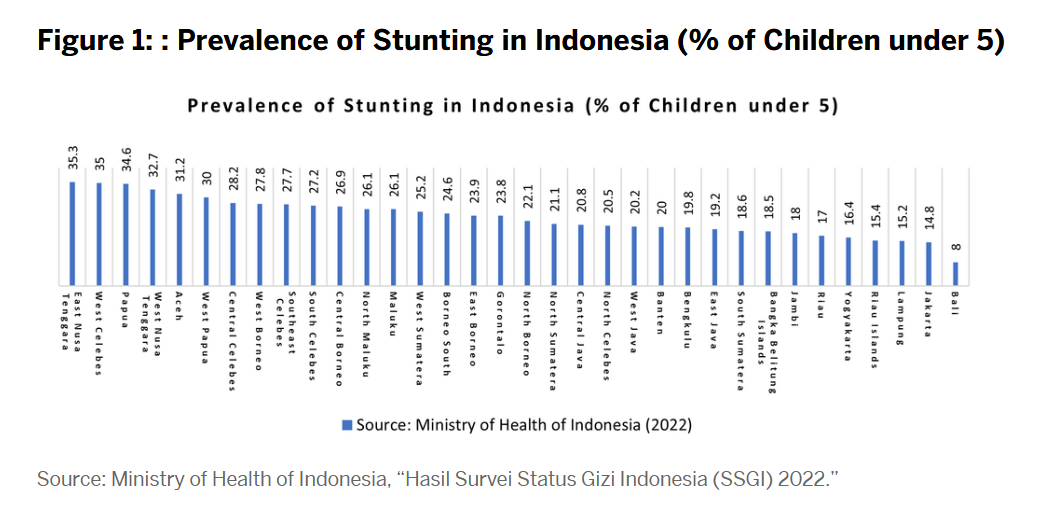
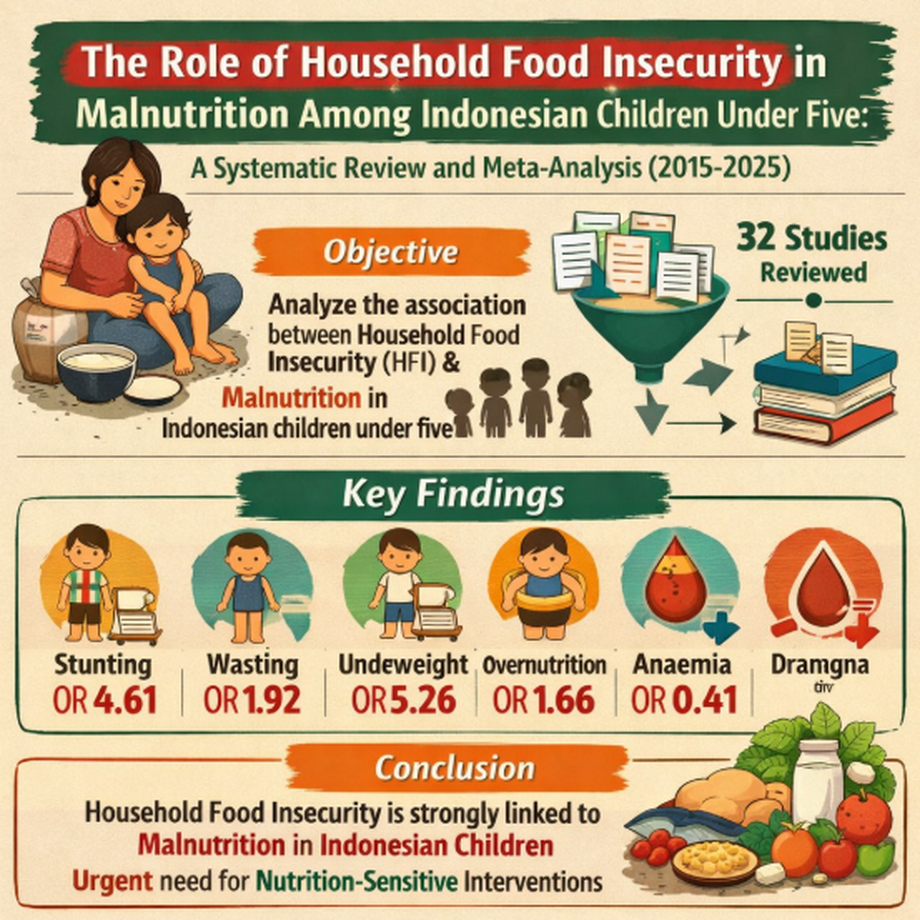
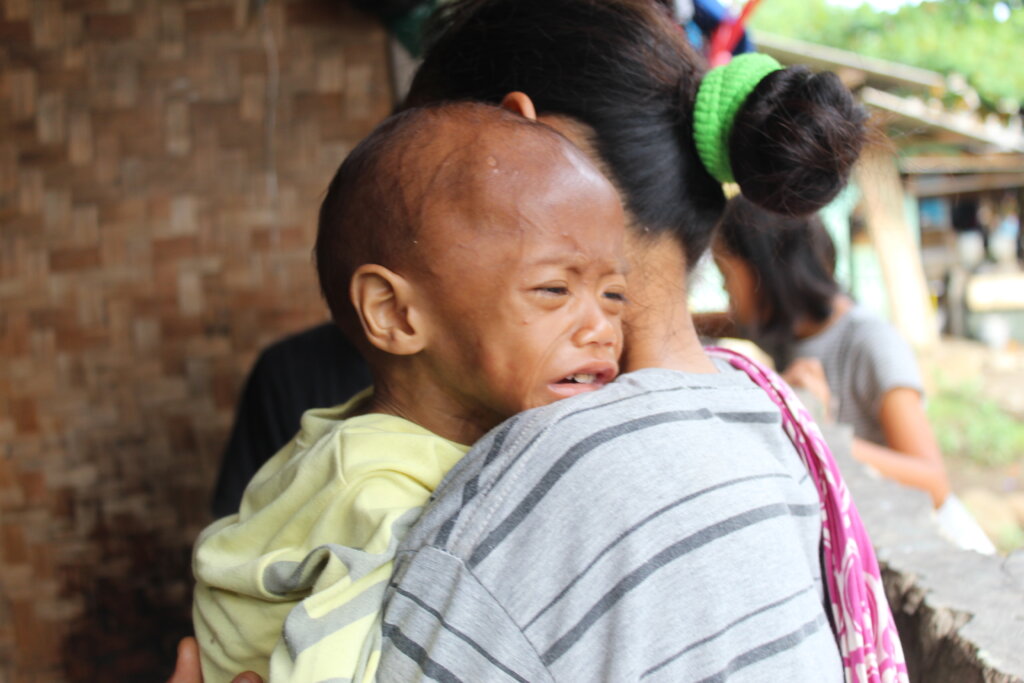
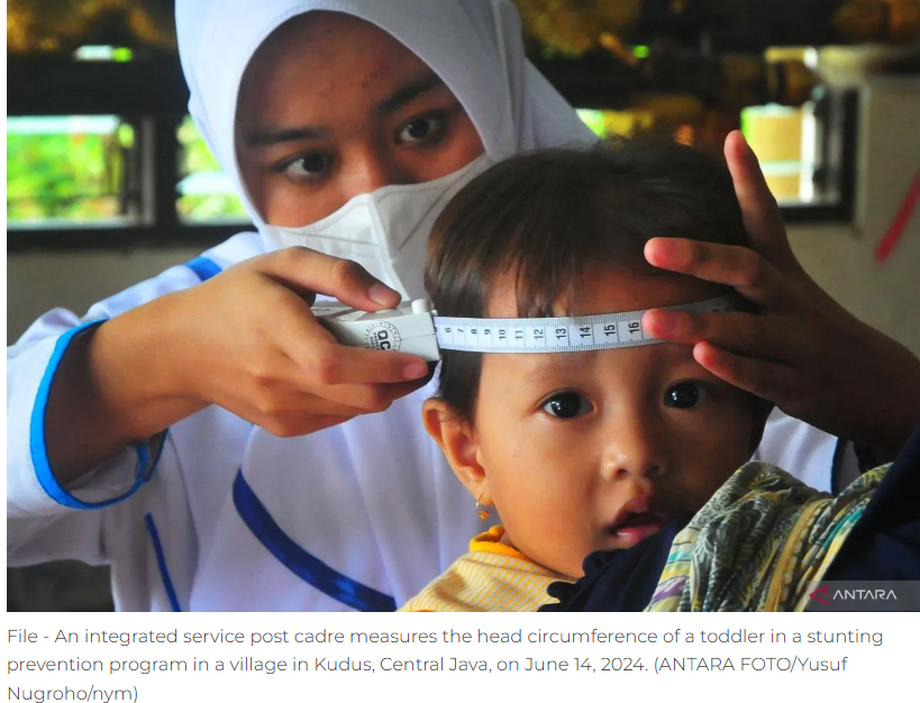
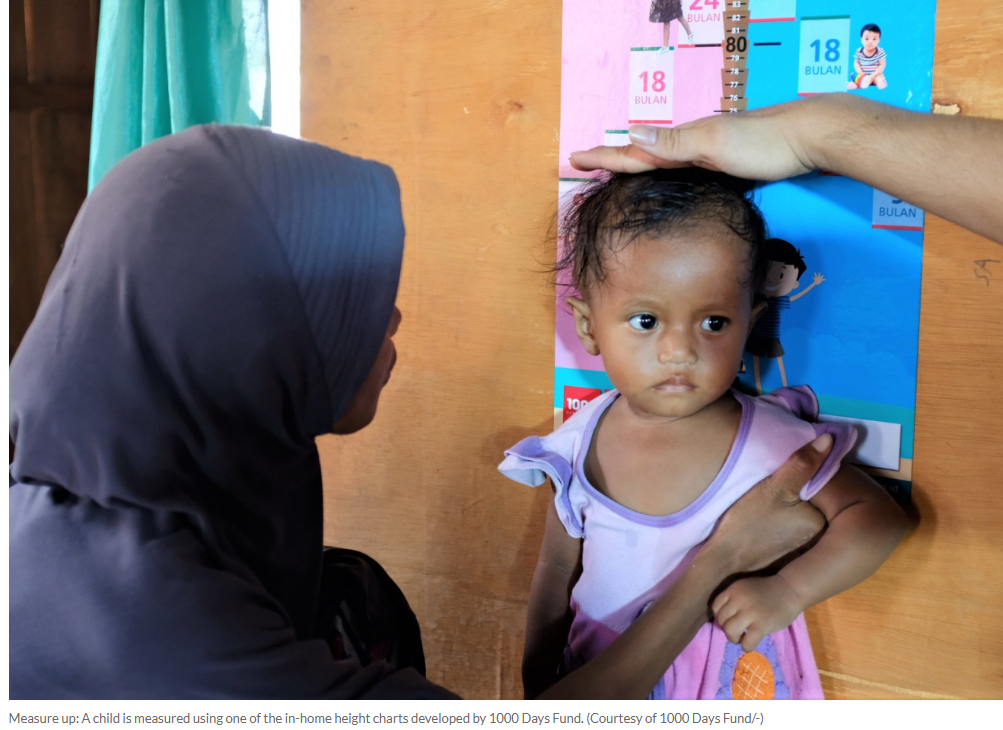
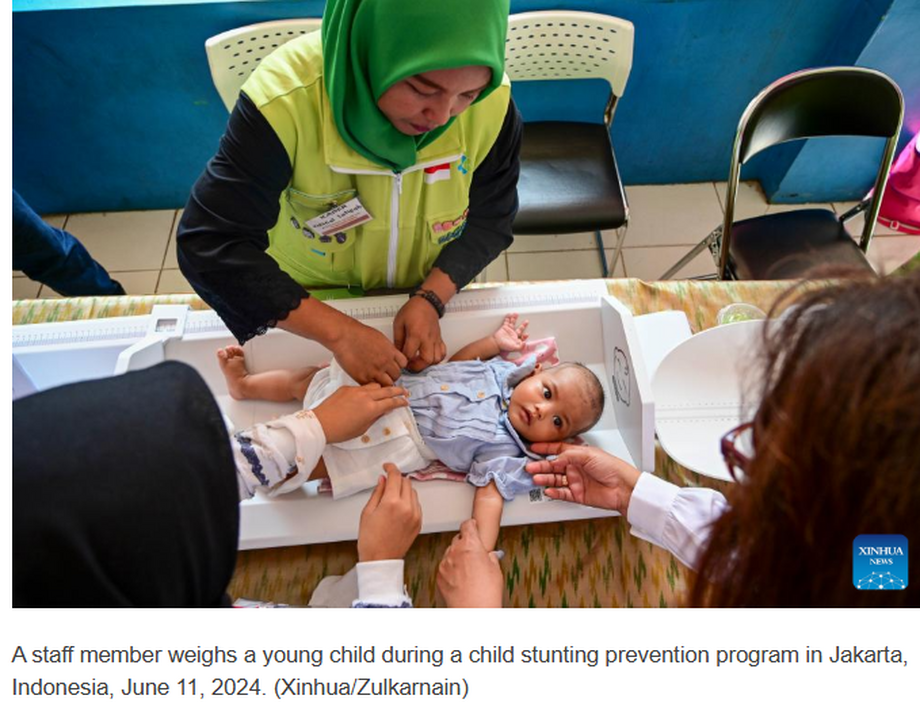
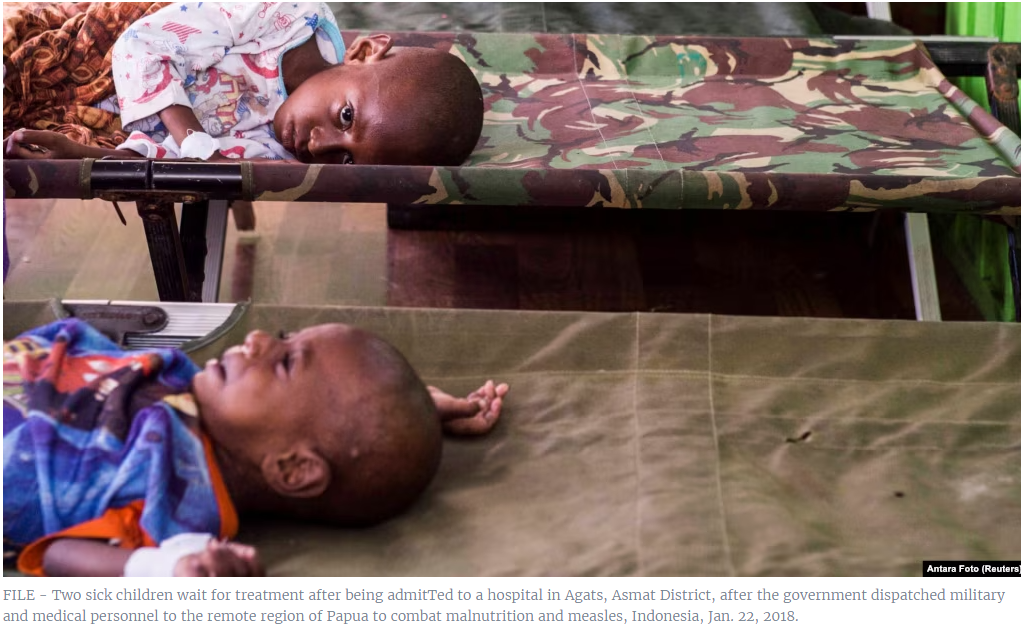
Indonesia has regressed in childhood stunting over the past two decades, as stunting in children aged under five increased from 19 per cent in 2000 to 24 per cent in 2024, representing over 5.4 million children. According to global research non-profit Our World in Data, Indonesia’s childhood stunting was 24.3 per cent in 2024, higher than Malaysia (22.6 per cent), Cambodia (22 per cent), Vietnam (19.2 per cent), and Thailand (12.3 per cent). Our World in Data also highlighted that Indonesia has one of the highest rates of childhood wasting – when a child’s weight is too low for their height – in the region. When children’s growth is permanently impaired by malnutrition, it isn’t just their bodies that suffer; their cognitive development, learning capacity, and future livelihoods are damaged for life. A country that prides itself on development cannot normalise children growing up smaller, weaker, and more vulnerable simply because the system failed them before they could even speak. Stunting is not caused by rare diseases or genetic conditions. It is driven by poverty, food insecurity, poor maternal nutrition, inadequate health care access, and structural inequality. In other words, this is not a medical failure. It is a governance failure. It reflects policy choices, budget priorities, and political neglect. The families most affected by childhood stunting are low-income households, refugees, migrant communities, undocumented populations, Indigenous groups, and the urban poor. Stunting in Indonesia causes an estimated $29 billion in economic losses annually, impacting cognitive development and future workforce productivity.
Credit: WORLD ECONOMIC FORUM
Credit: WORLD ECONOMIC FORUM
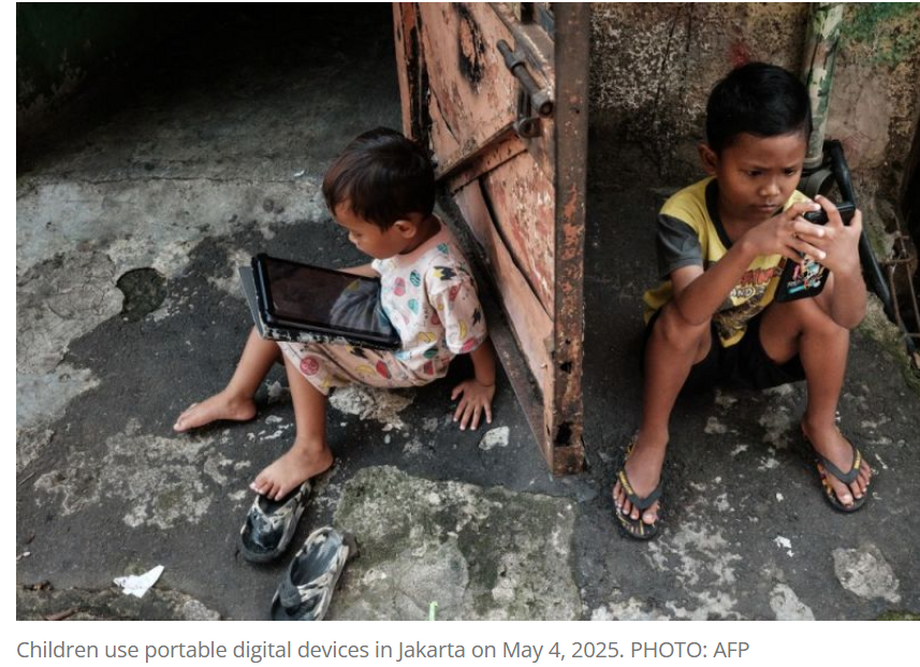
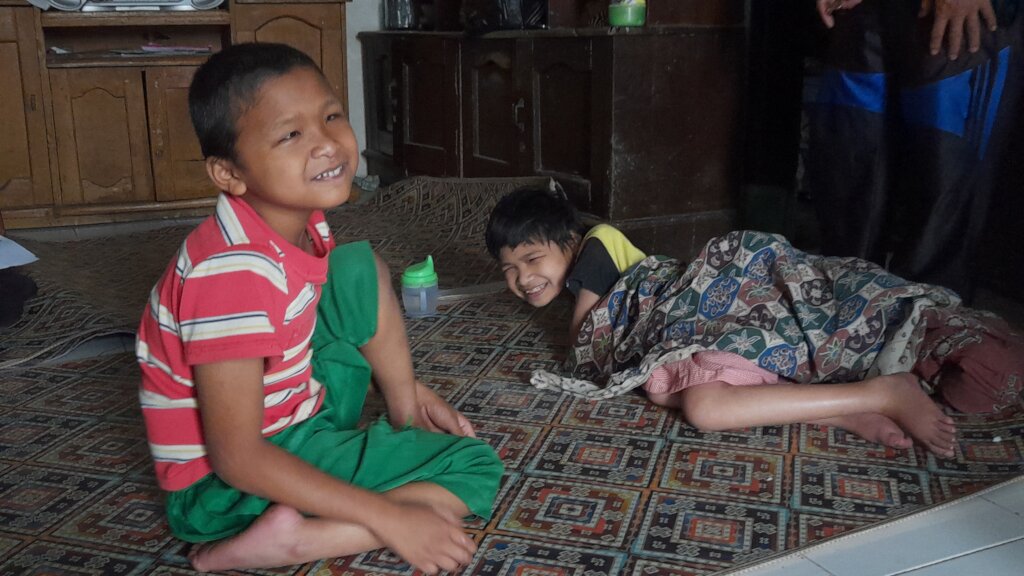

Poverty deprives people of adequate education, health care and of life's most basic necessities- safe living conditions (including clean air and clean drinking water) and an adequate food supply. The developed (industrialized) countries today account for roughly 20 percent of the world's population but control about 80 percent of the world's wealth.
Poverty and pollution seem to operate in a vicious cycle that, so far, has been hard to break. Even in the developed nations, the gap between the rich and the poor is evident in their respective social and environmental conditions.
Poverty and pollution seem to operate in a vicious cycle that, so far, has been hard to break. Even in the developed nations, the gap between the rich and the poor is evident in their respective social and environmental conditions.