30.01.2026
From Chile to Greece, ‘Ghost Fish Farms' Haunts The Seas
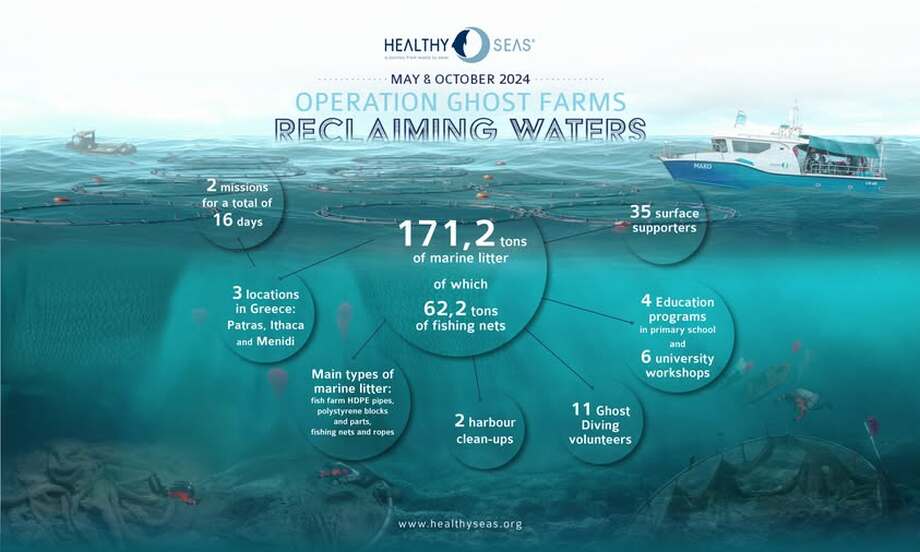
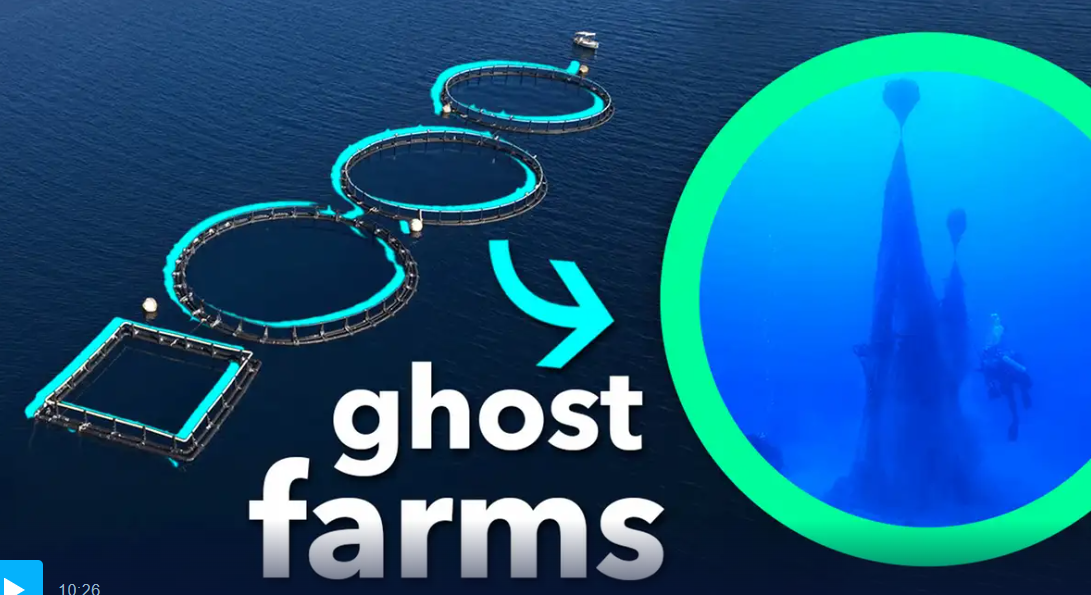
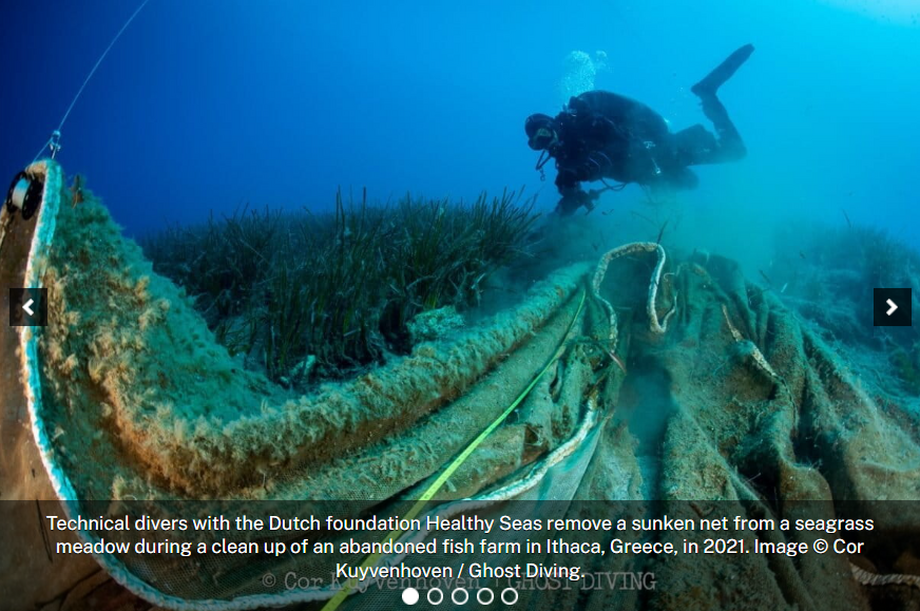
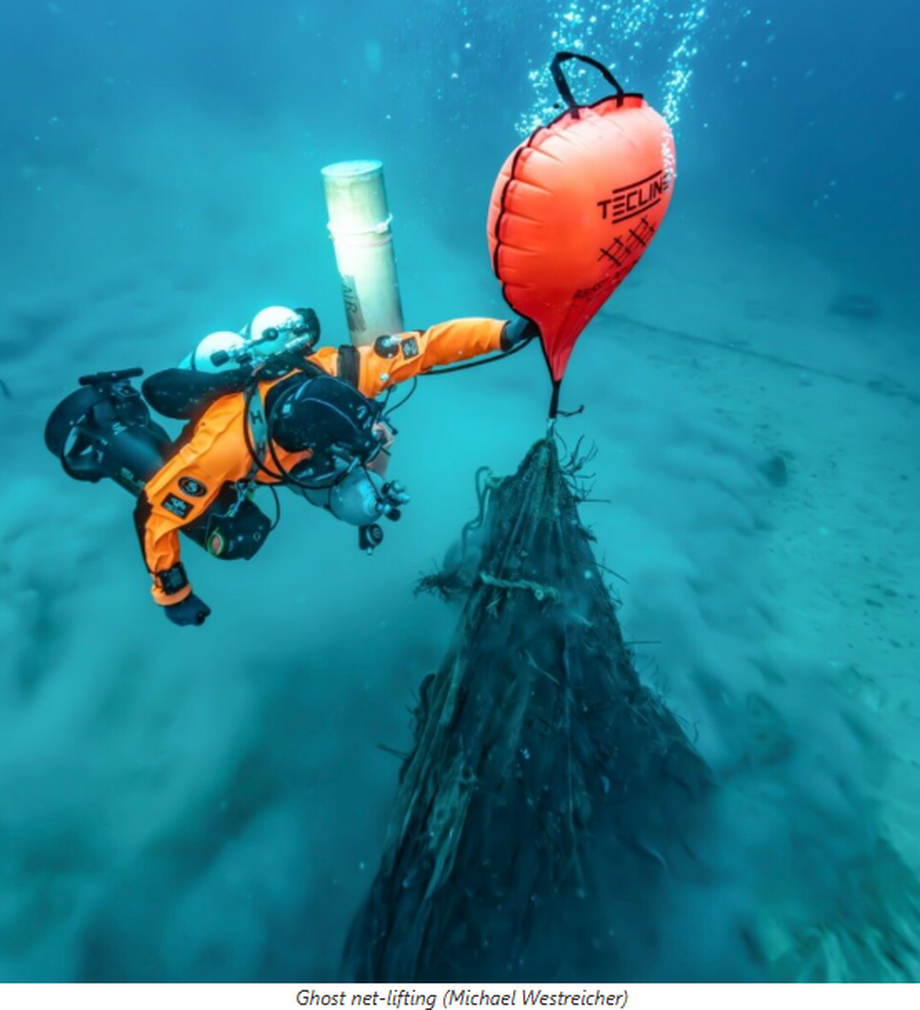
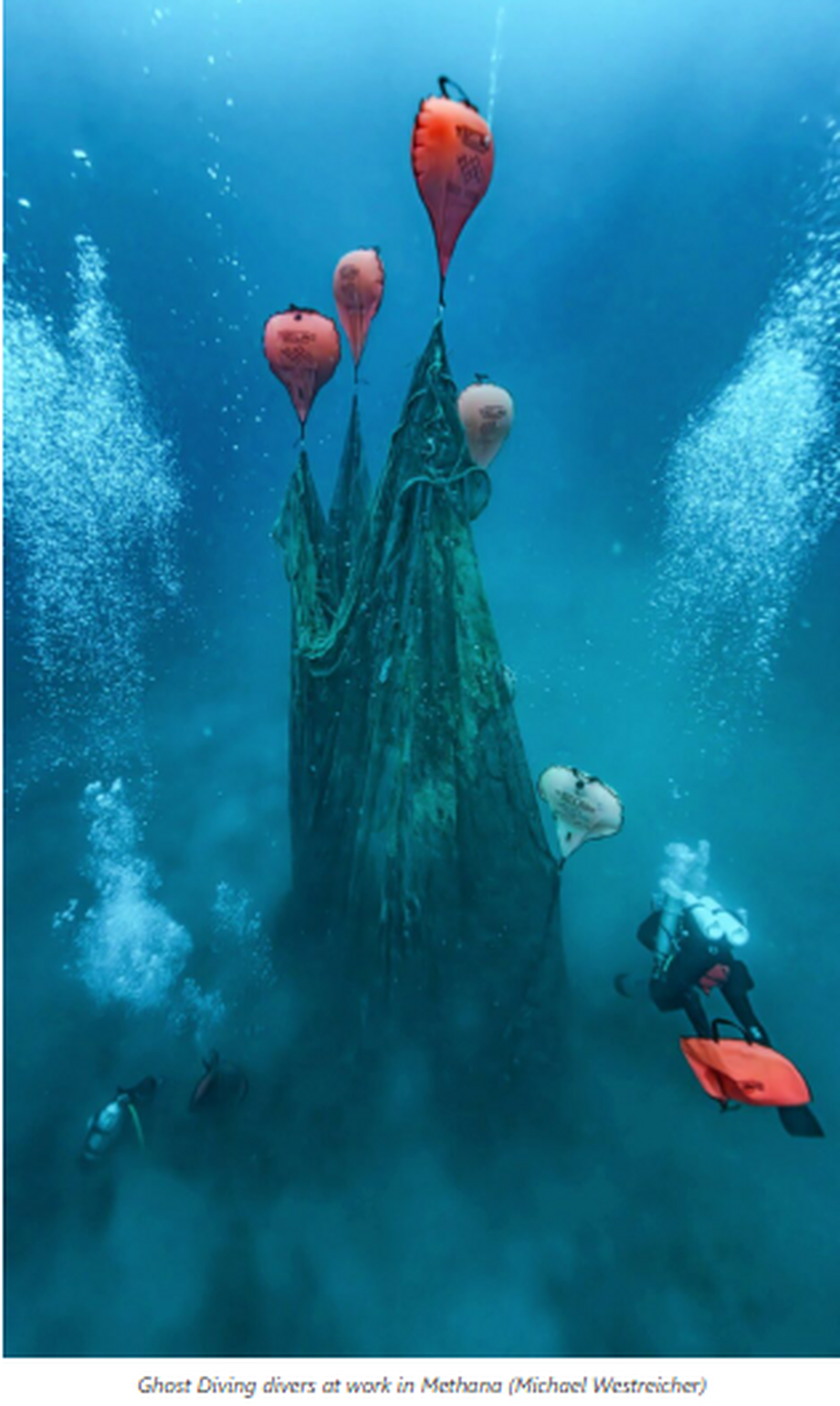
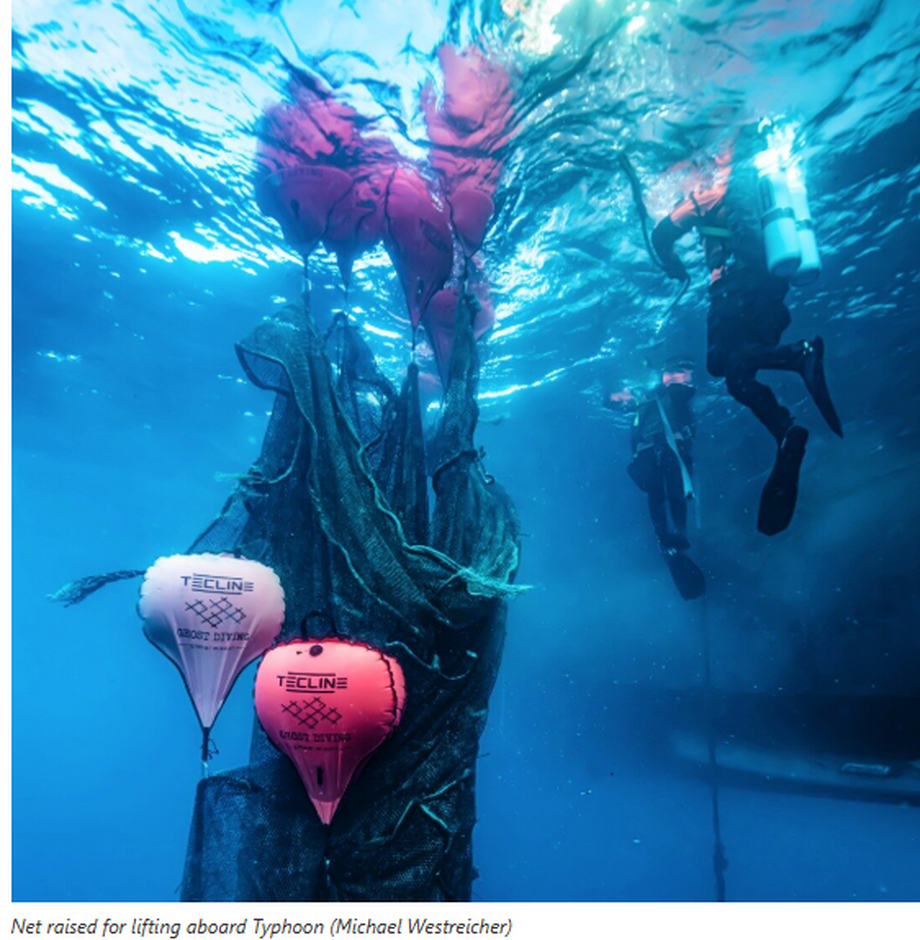
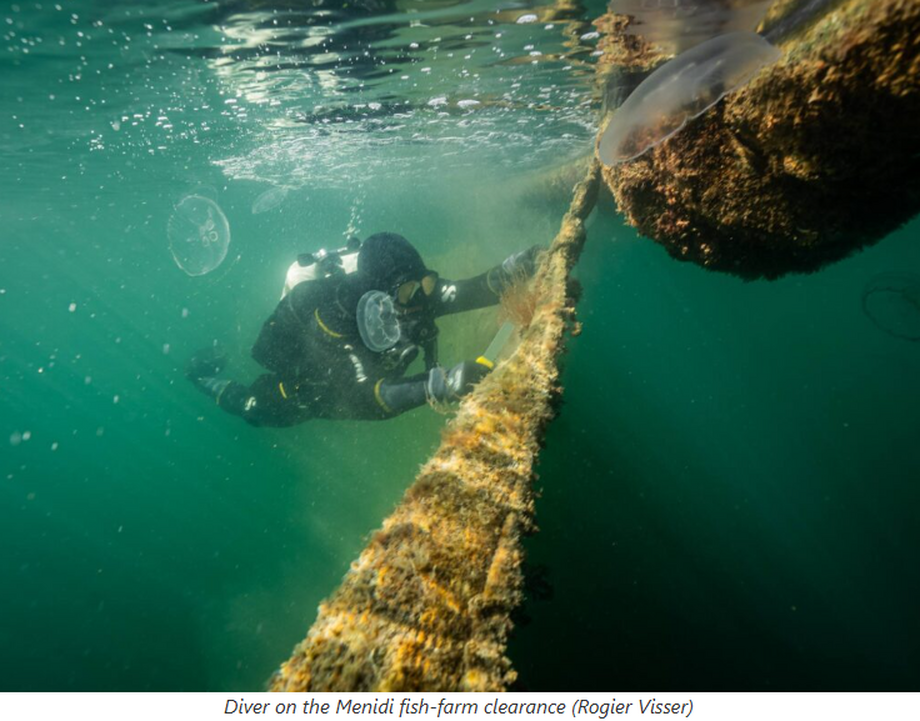
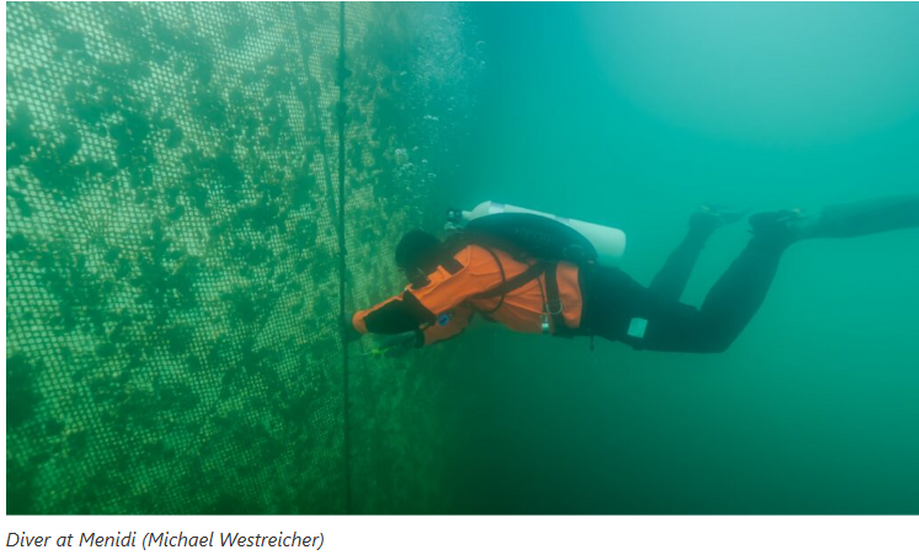
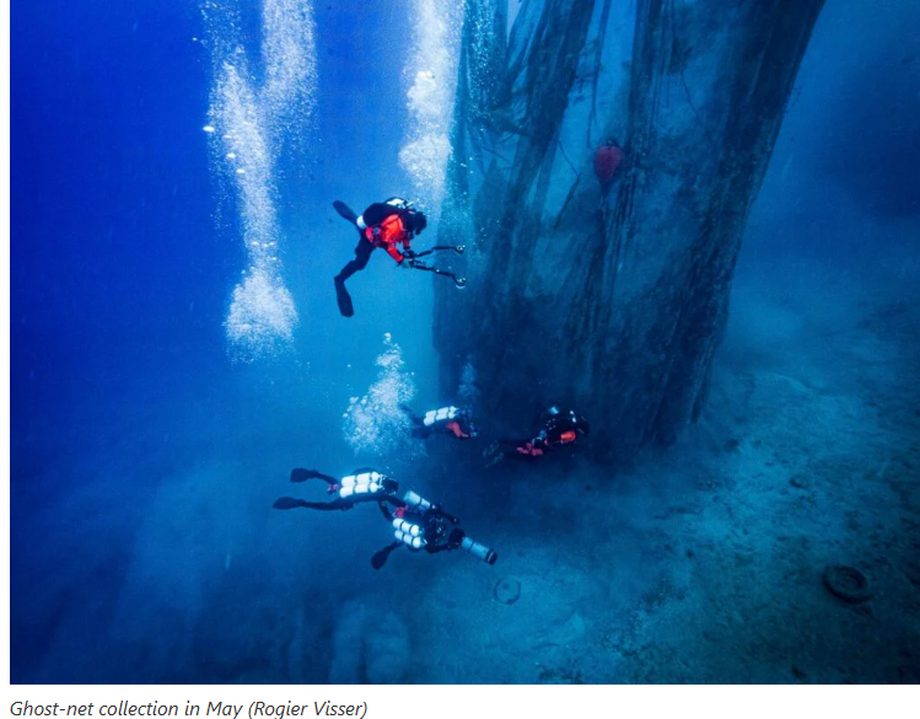
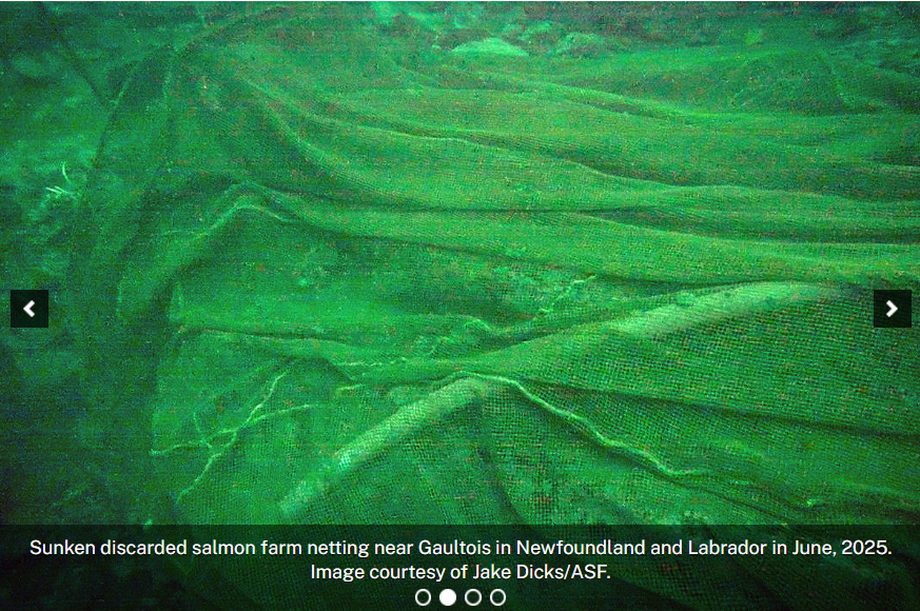
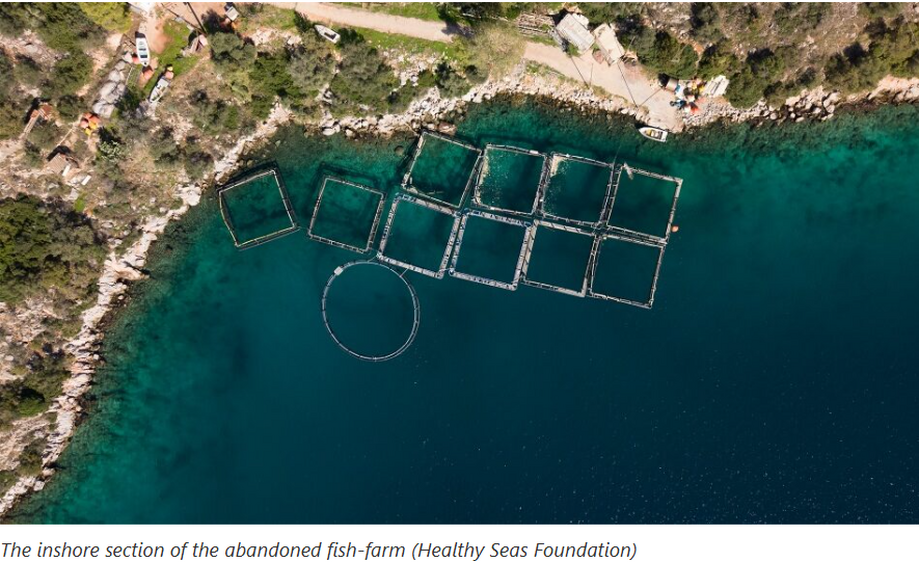
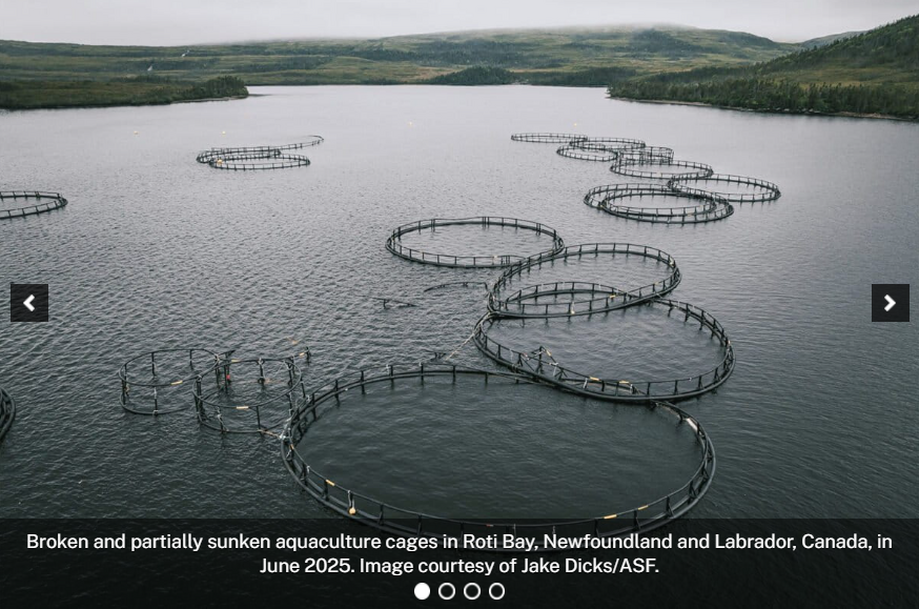
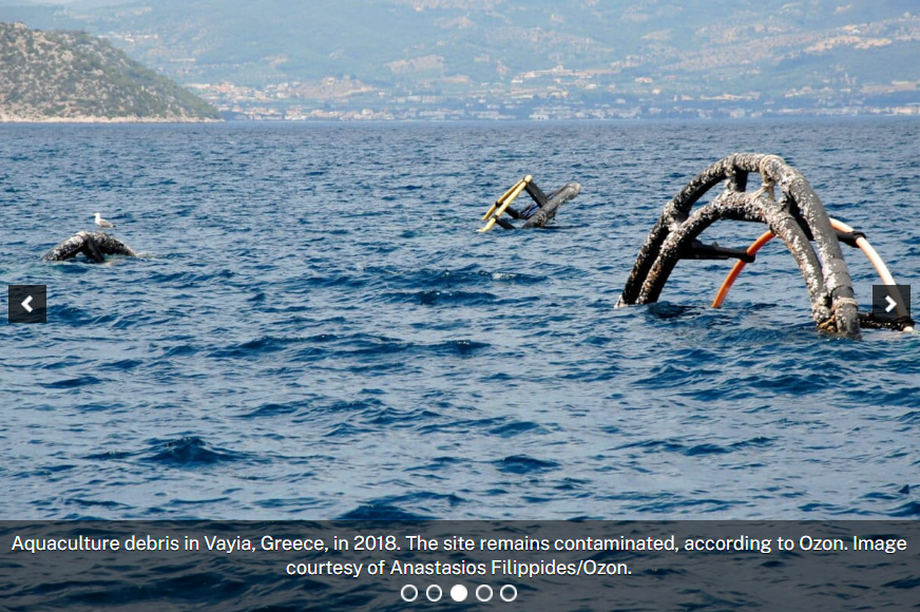
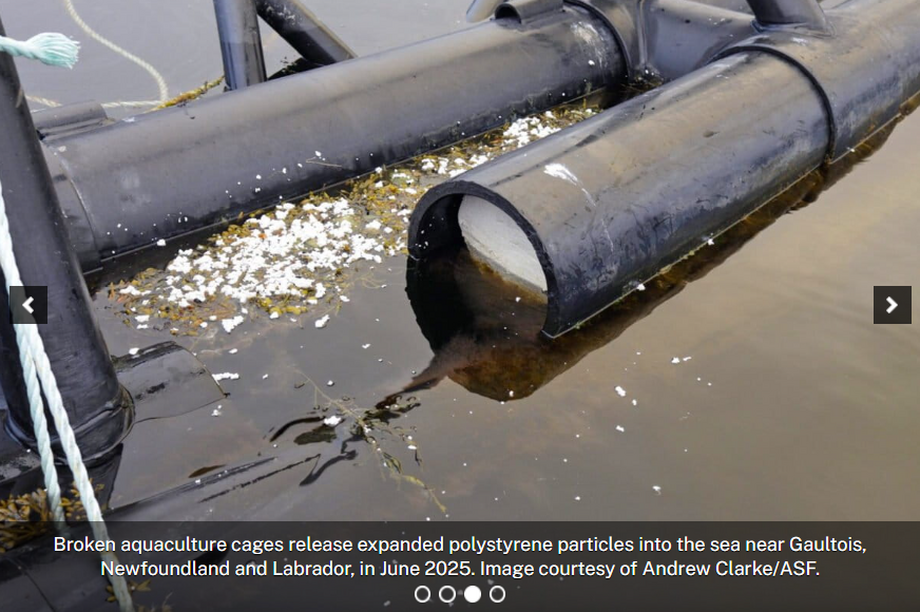
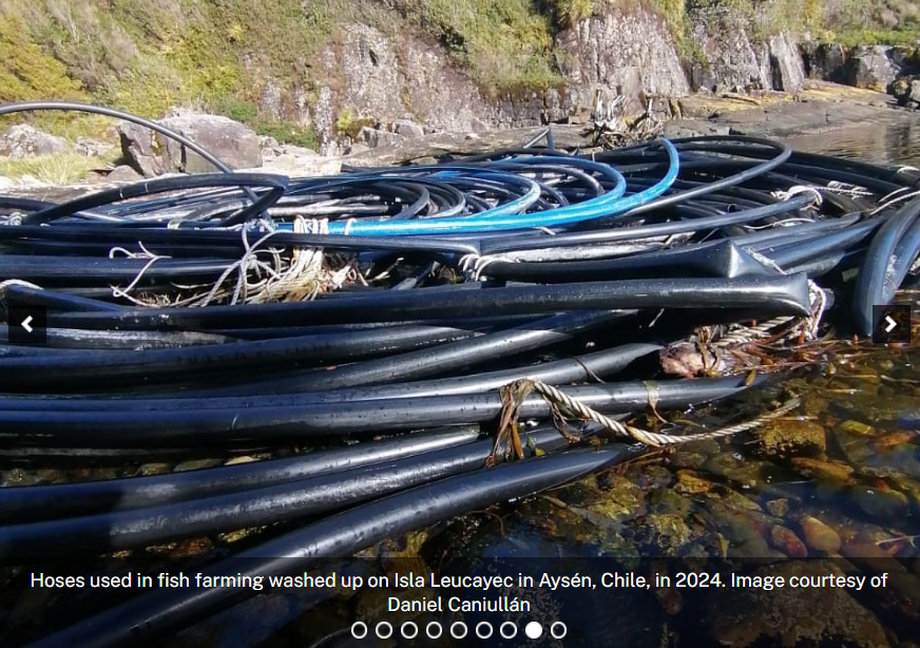
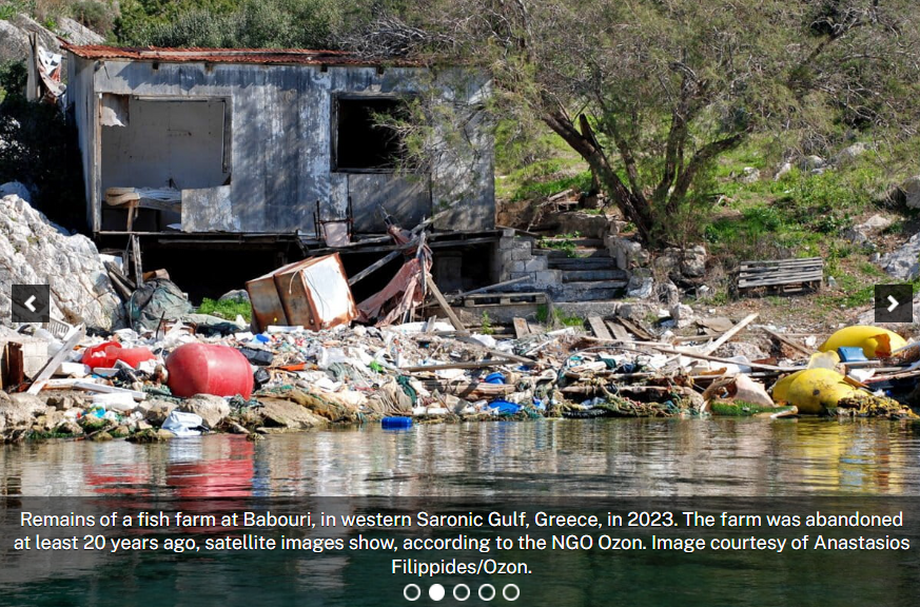
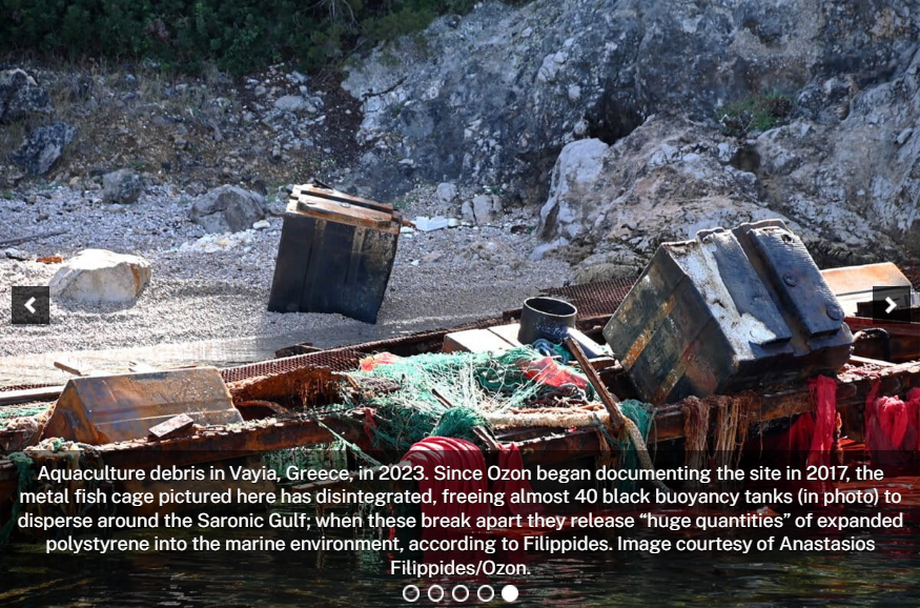
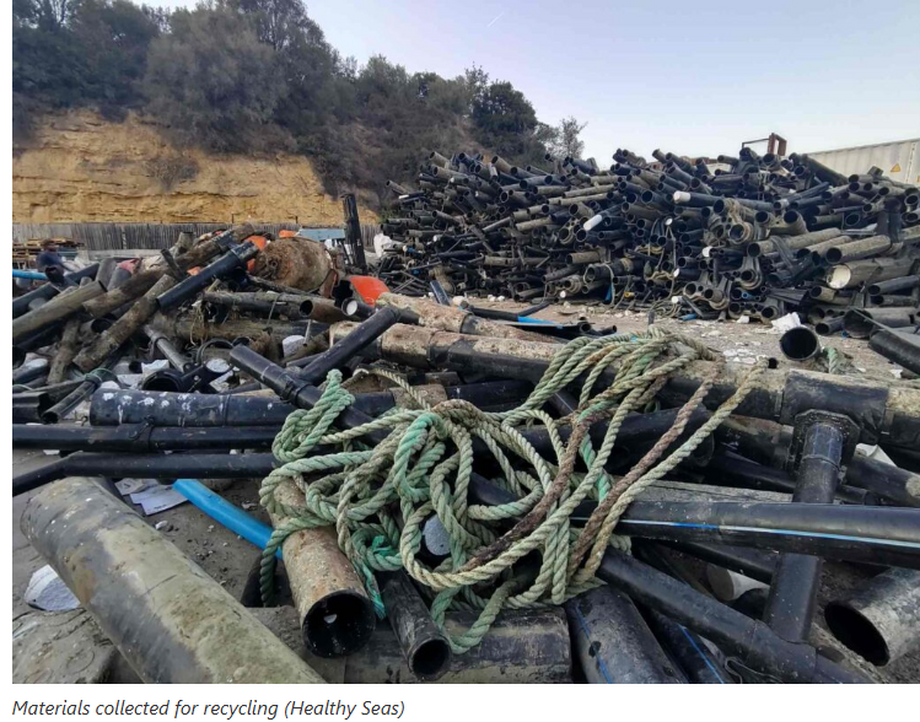
Ghost fish farms are abandoned aquaculture facilities, primarily in Greece, Chile, and Canada, that have been left to rot at sea, creating massive marine pollution. These sites, often abandoned due to bankruptcy or licensing failures, release plastic, nets, and styrofoam that destroy ecosystems, trap marine life, and pose hazards to navigation. Abandoned cages and buoys degrade into microplastics and large debris, spreading across coastlines. Old, submerged nets continue to catch and kill fish and marine life indiscriminately. Sunken structures block sunlight, preventing the growth of vital seagrasses. Volunteers from the organisation Ghost Diving worked to recover nets, detach them from the rings and document the process under water and at the surface with their cameras. Apart from the nets, they reclaimed from the sea 35 large buoys, 43 floating rings and numerous other items, including a half-sunken maintenance boat. Volunteers on land tackled coastal litter that included broken polystyrene foam from the fish-farm and general household waste. Fishing-nets and some other items can be recycled into Econyl regenerated nylon by foundation partner Aquafil. Pipes and other structures can also be recycled. The six-day October operation involved 35 people collecting 128.5 tons of marine litter, of which 50.9 tons were fishing nets. The May clean-up, with 30 people working over eight days, had collected 42.7 tons (11.3 tons of nets). “Together with 150 partners and nearly 550 dedicated volunteers, we have collected 991 tons of fishing nets and other marine litter since our inception in 2013,” reports Healthy Seas.
Credit: DW
Credit: DW
Poverty deprives people of adequate education, health care and of life's most basic necessities- safe living conditions (including clean air and clean drinking water) and an adequate food supply. The developed (industrialized) countries today account for roughly 20 percent of the world's population but control about 80 percent of the world's wealth.
Poverty and pollution seem to operate in a vicious cycle that, so far, has been hard to break. Even in the developed nations, the gap between the rich and the poor is evident in their respective social and environmental conditions.
Poverty and pollution seem to operate in a vicious cycle that, so far, has been hard to break. Even in the developed nations, the gap between the rich and the poor is evident in their respective social and environmental conditions.