25.03.2026
Mass Scam Centre Escapes Reveal A Humanitarian Crisis In Cambodia
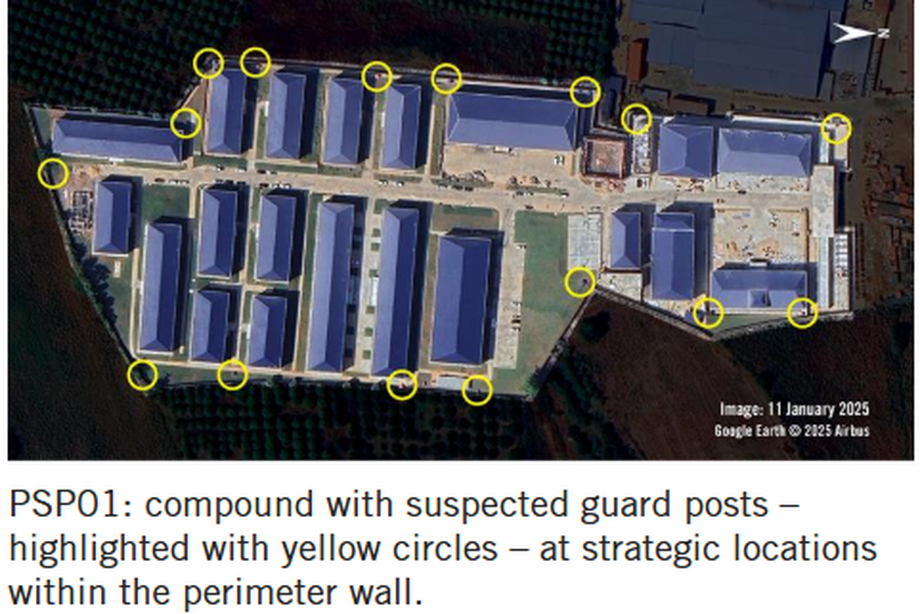
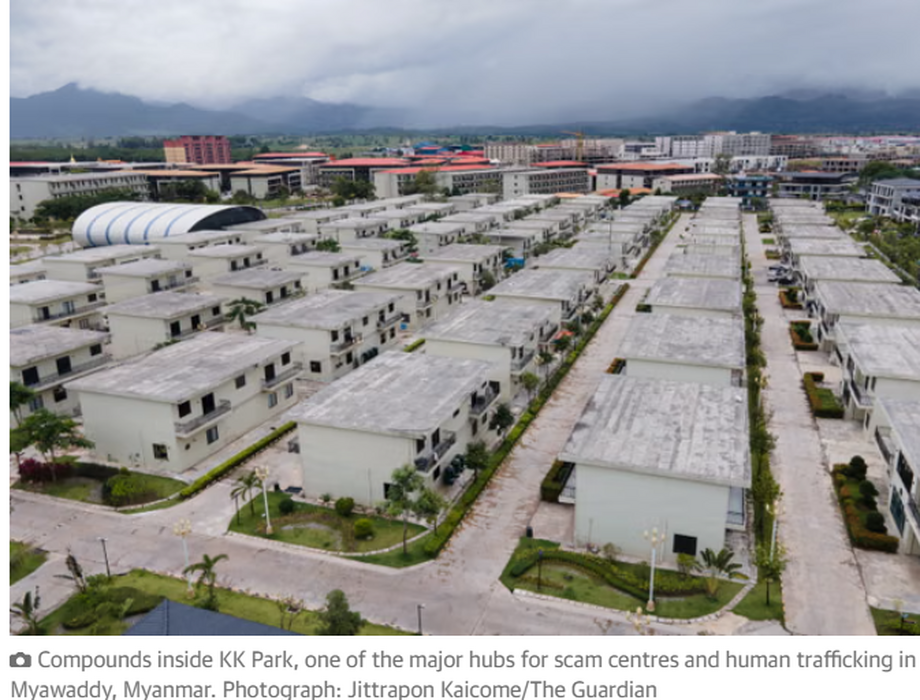
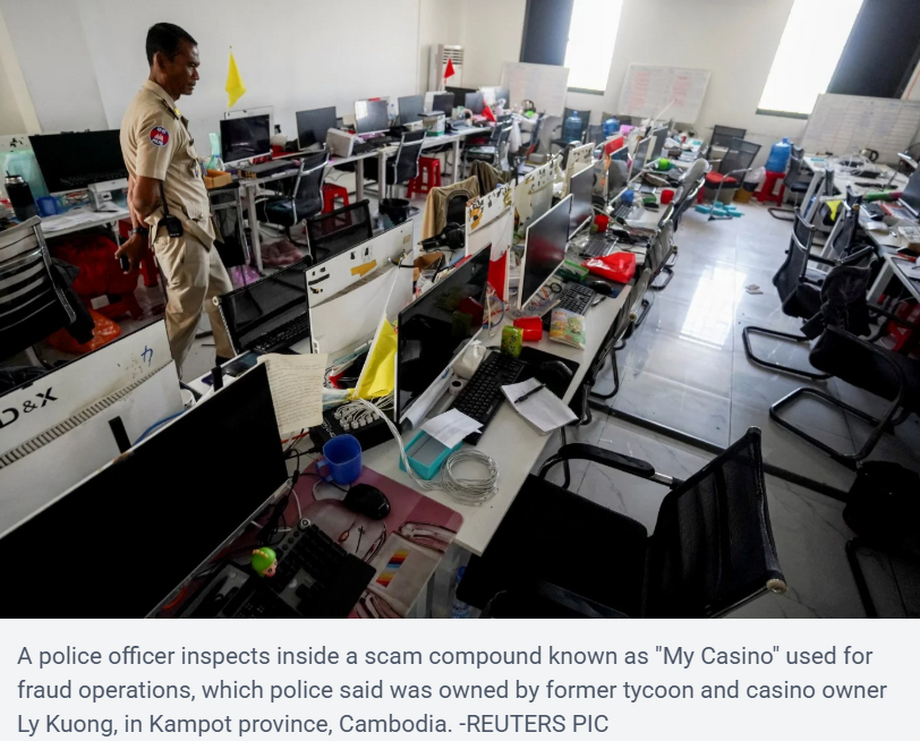
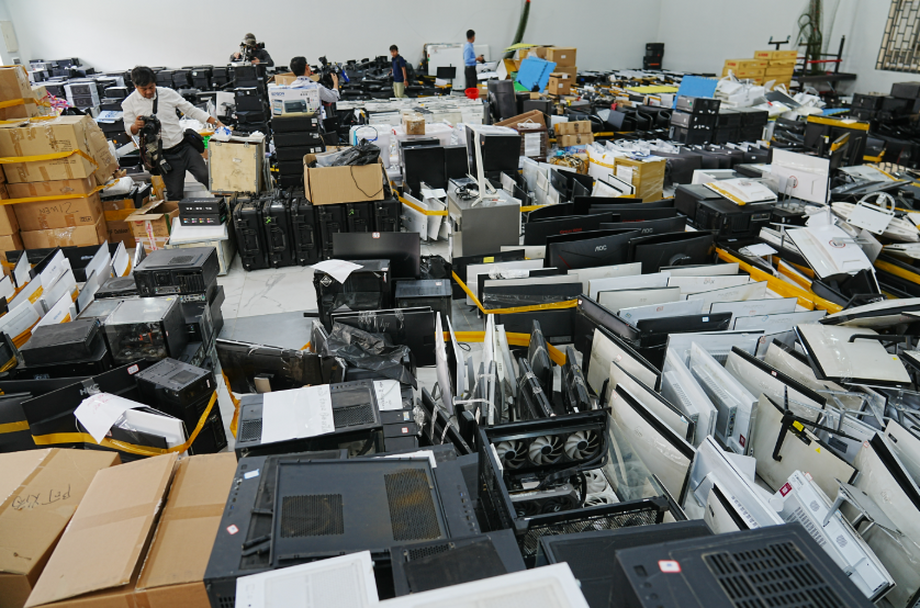
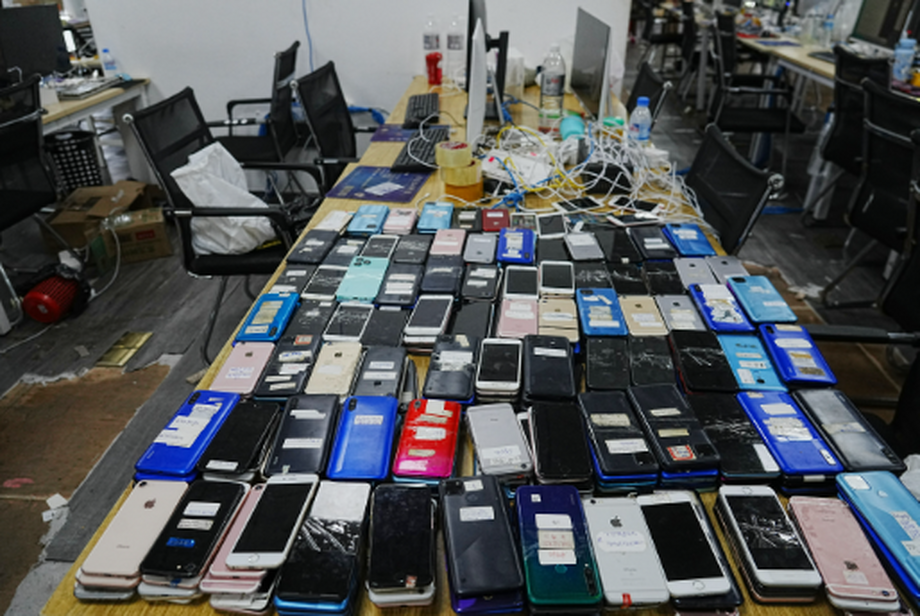
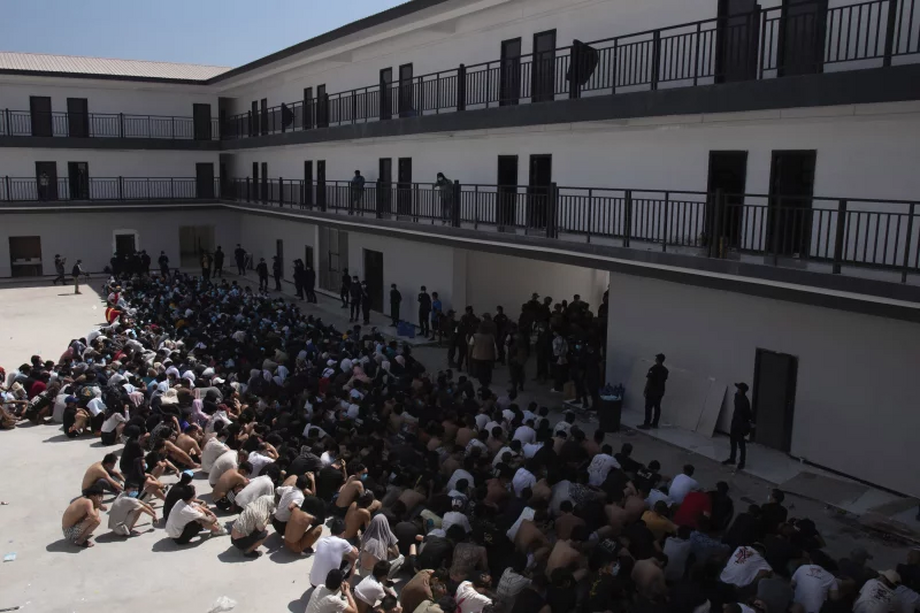
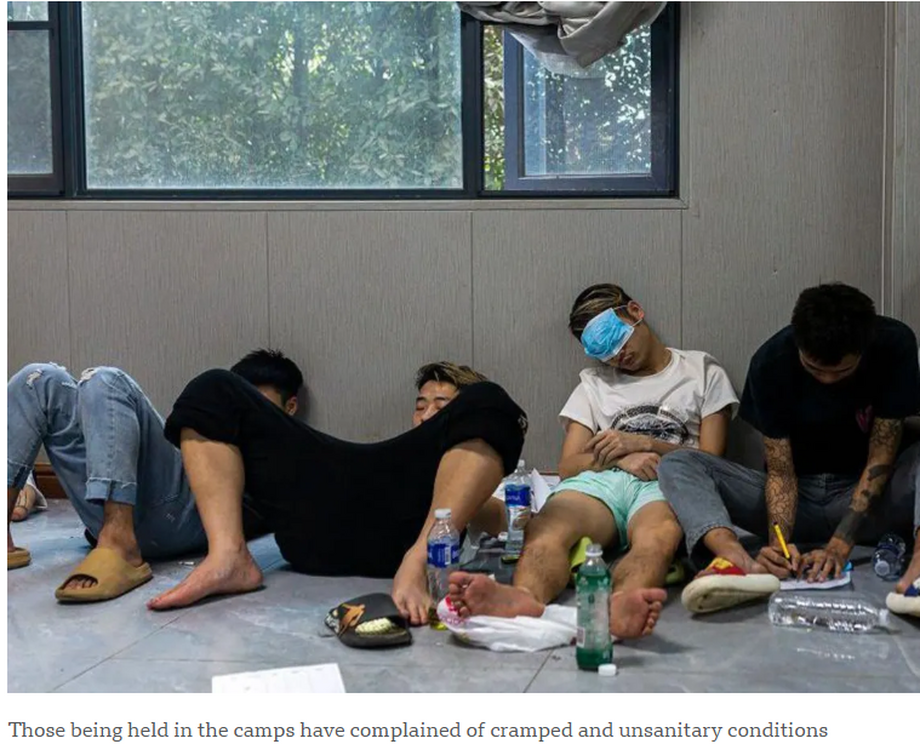
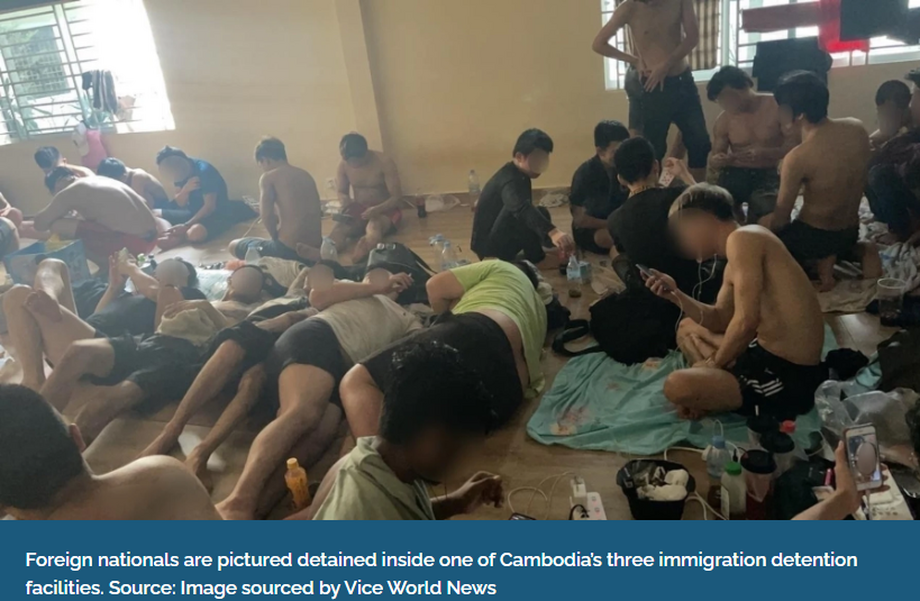
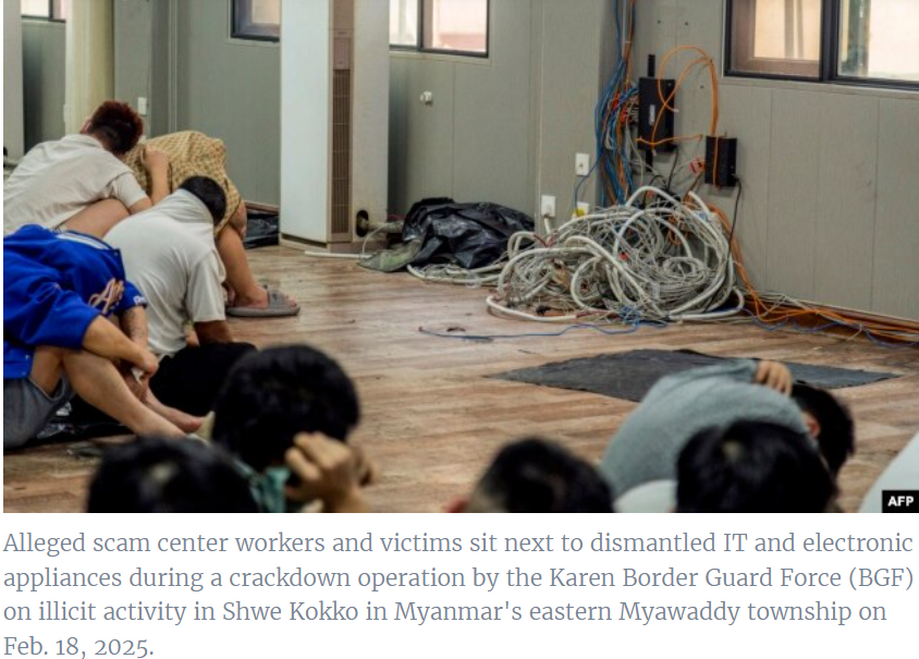
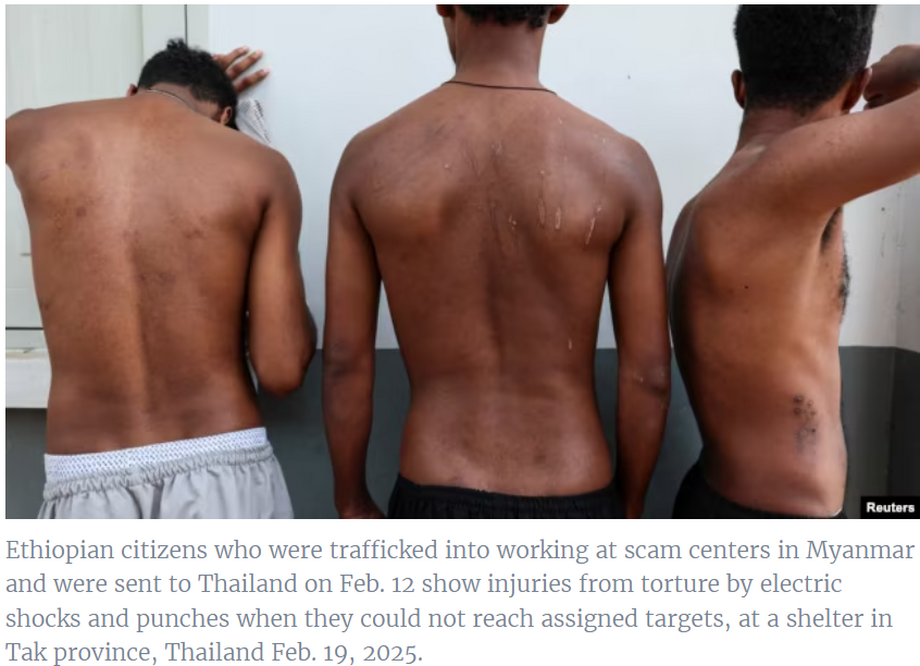
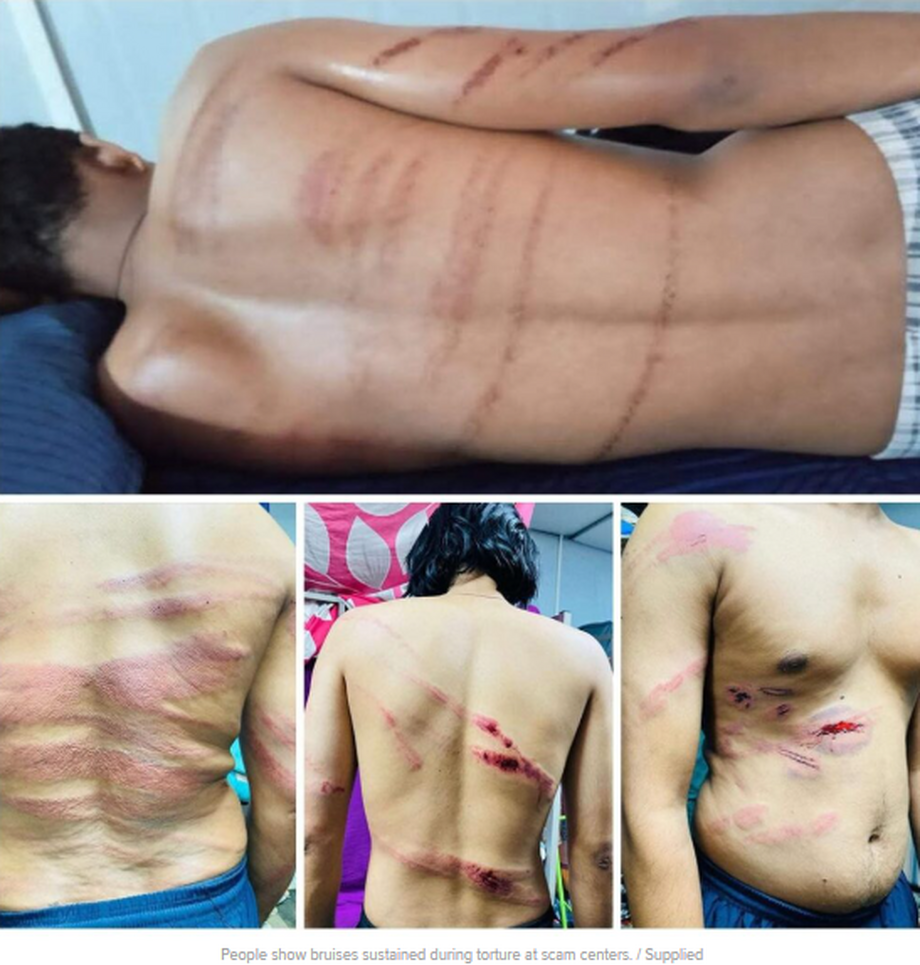
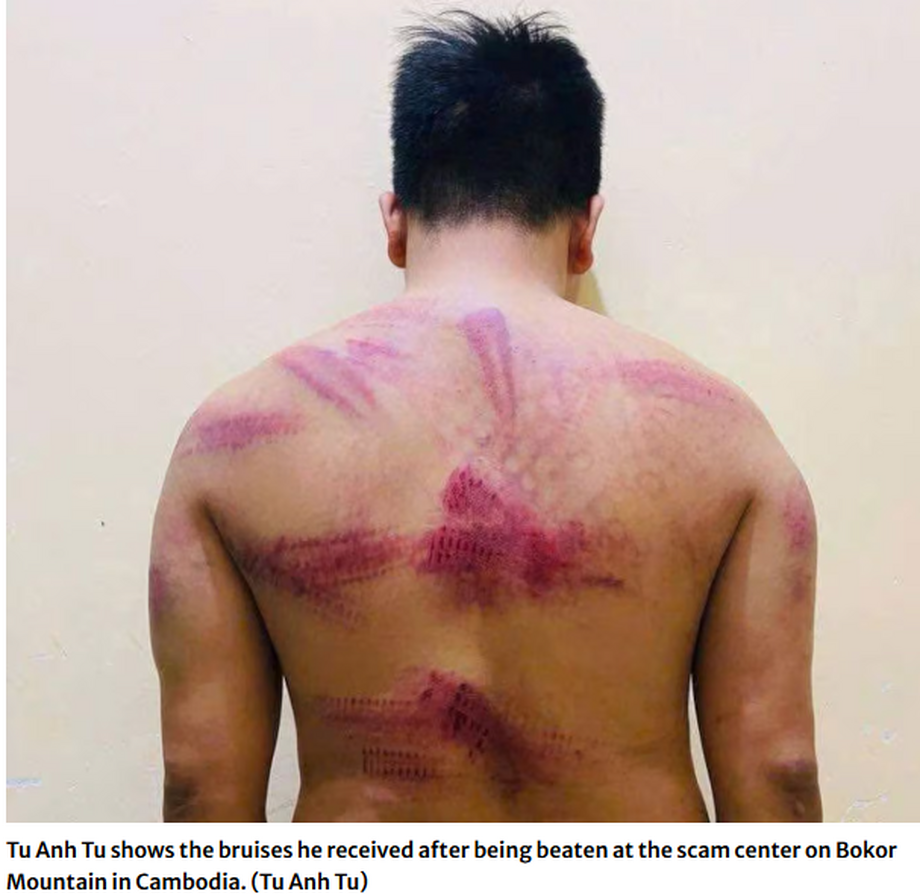
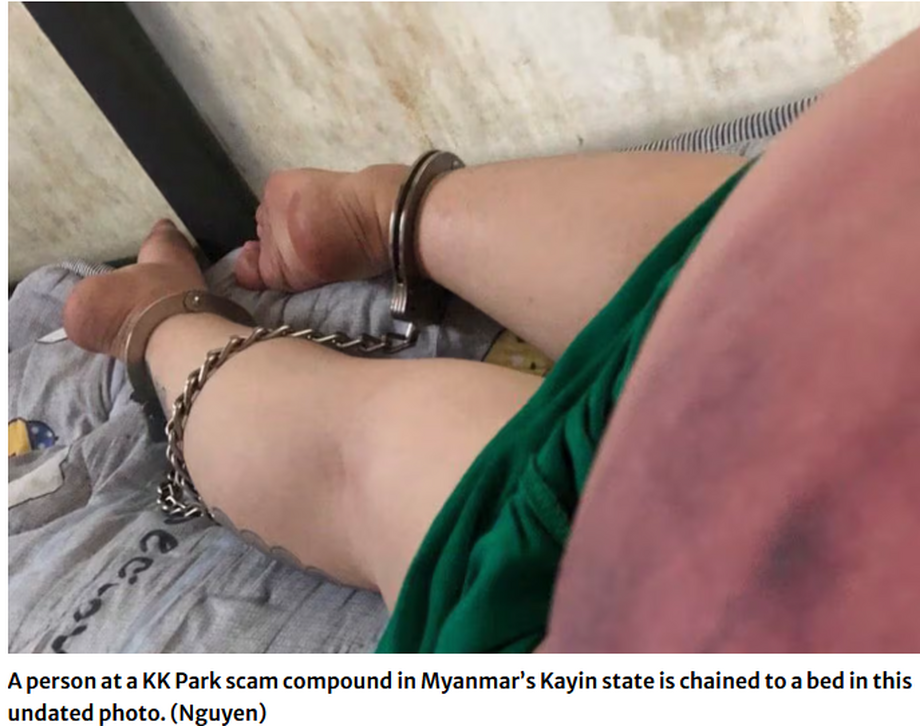
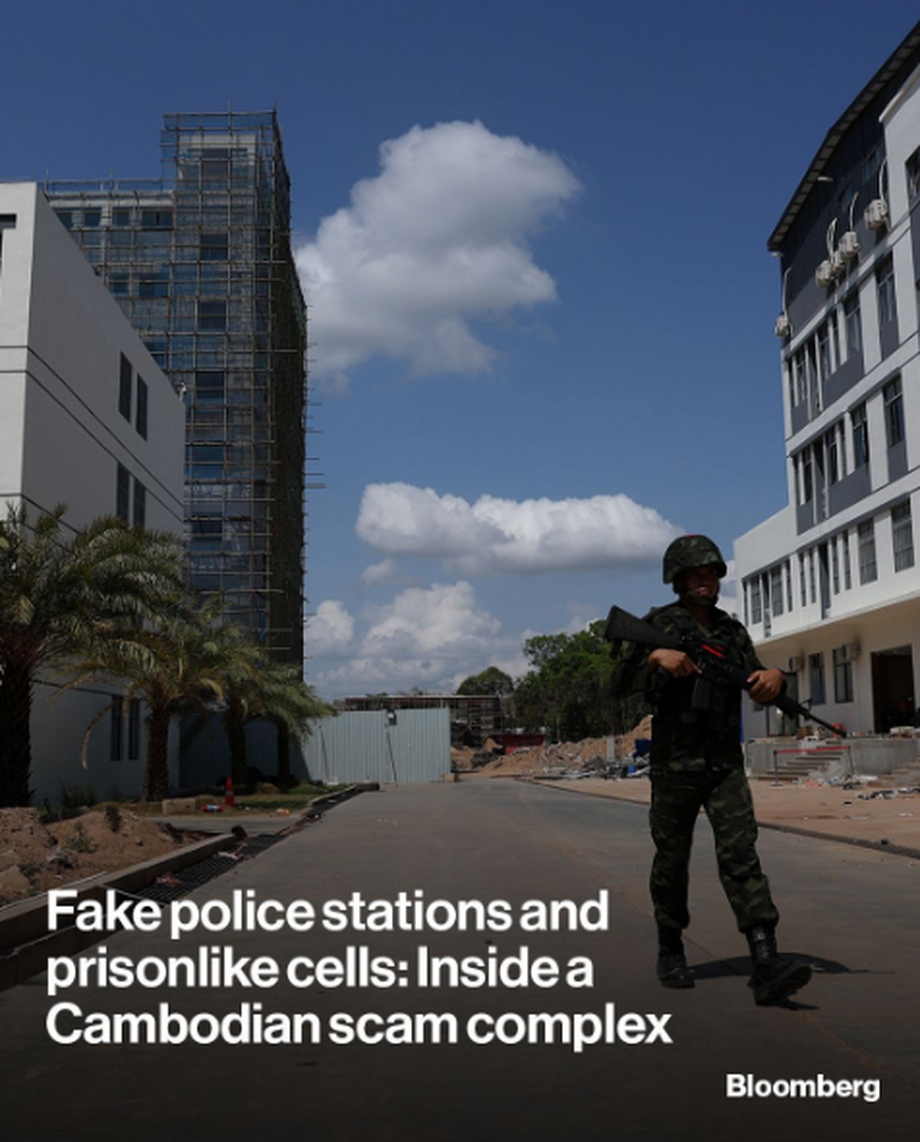
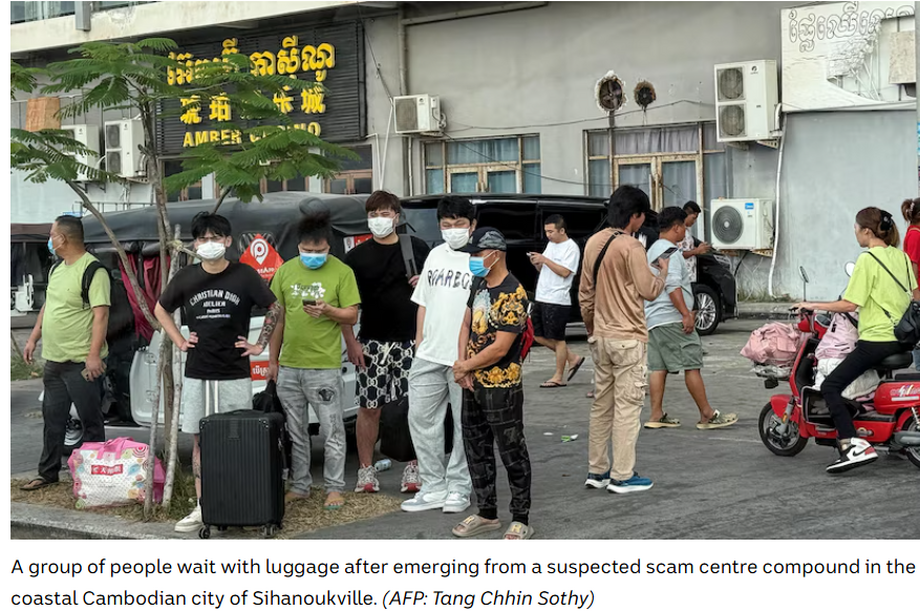
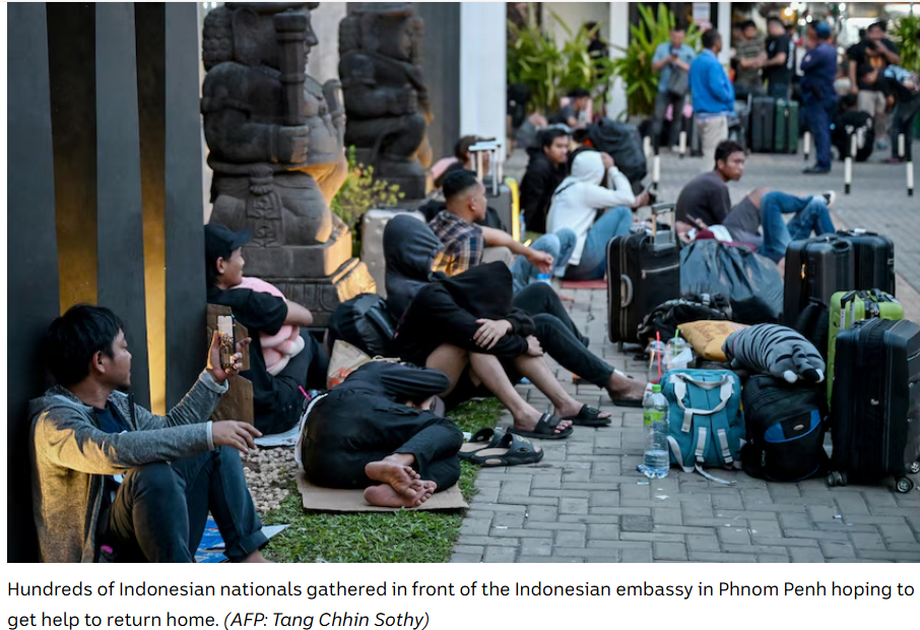
In recent years, Cambodia – along with Myanmar and Laos – has gained a reputation as a burgeoning cyberscam centre, with dozens of large-scale scam “farms” springing up in rice fields in border areas. January Amnesty International report – based on interviews with 35 victims from 12 countries – detailed how scam workers were allegedly beaten, tortured, and sexually assaulted in addition to their forced labour. One woman said she had witnessed many deaths due to untreated sickness and torture. Two other women said they became pregnant as a result of rape by compound managers. Interior Ministry spokesman Touch Sokhak said 2,412 people were deported as a result of online scam raids between the start of this year and 12 February. A group of almost 500 were being held for “further processing”, he told The New Humanitarian. Since the government began a clampdown in June 2025, more than 8,000 people have been deported and an estimated 210,000 foreigners allegedly involved in the scam centres have left the country voluntarily, according to a government report. Thousands of people who recently escaped or were released from scamming compounds in Cambodia where they were subjected to grave abuses including rape and torture are now stranded and in urgent need of humanitarian assistance, Amnesty International said after gathering harrowing testimony from survivors. In June 2025, an Amnesty International report found that more than 50 scamming compounds across Cambodia were sites of widespread slavery, human trafficking, forced labour, torture and other human rights abuses, operating as prison‑like facilities controlled by organized criminal groups. The report concluded that Cambodian authorities had failed to prevent or address these violations, with evidence pointing towards state complicity or deliberate inaction that had allowed the industry to flourish.
Credit: AMNESTY
Credit: AMNESTY
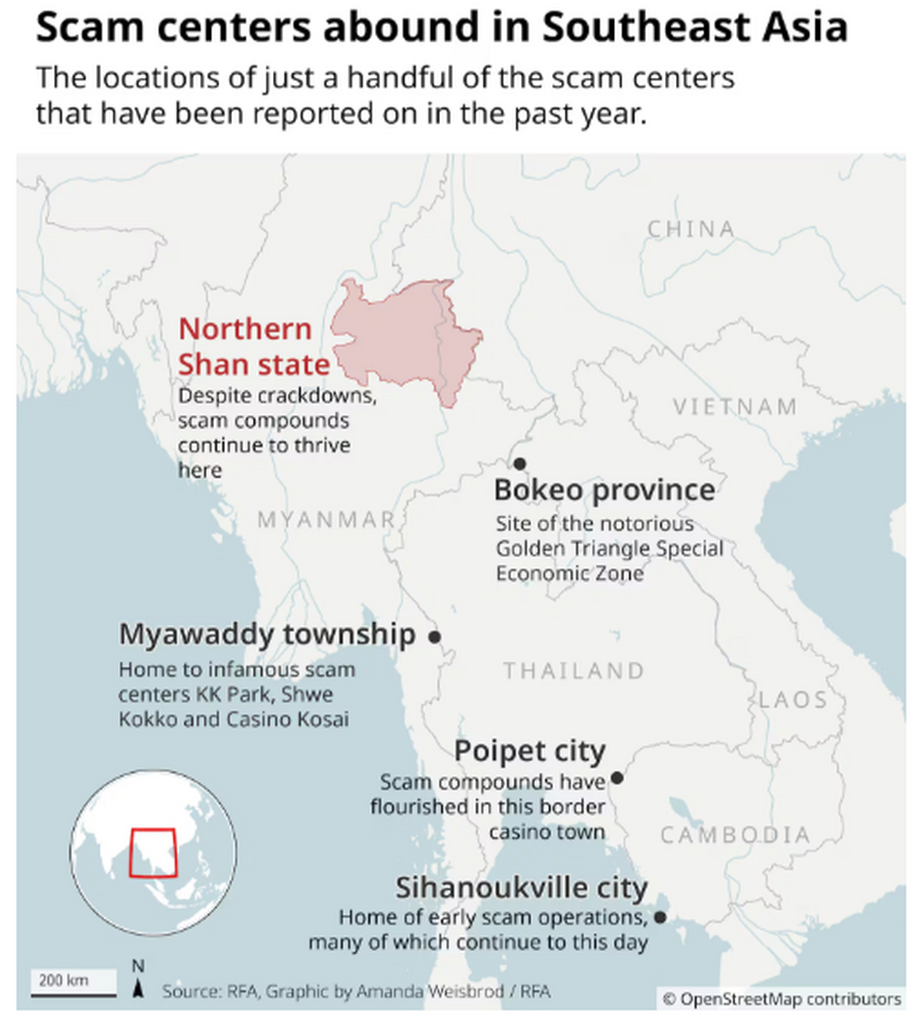
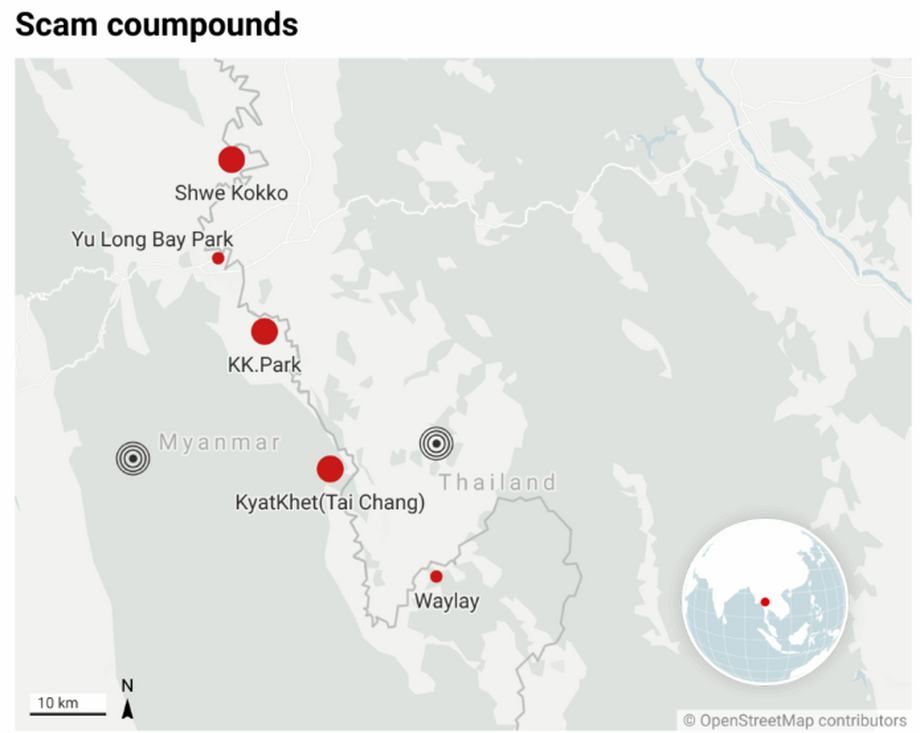
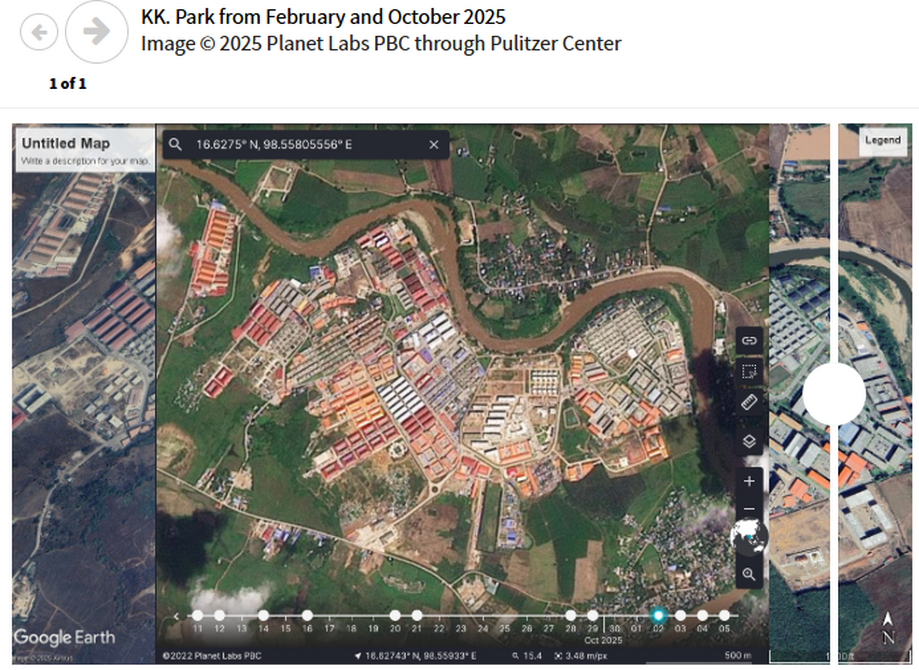








Poverty deprives people of adequate education, health care and of life's most basic necessities- safe living conditions (including clean air and clean drinking water) and an adequate food supply. The developed (industrialized) countries today account for roughly 20 percent of the world's population but control about 80 percent of the world's wealth.
Poverty and pollution seem to operate in a vicious cycle that, so far, has been hard to break. Even in the developed nations, the gap between the rich and the poor is evident in their respective social and environmental conditions.
Poverty and pollution seem to operate in a vicious cycle that, so far, has been hard to break. Even in the developed nations, the gap between the rich and the poor is evident in their respective social and environmental conditions.