30.07.2026
The Dangers And Health Risks Associated With Black Plastic
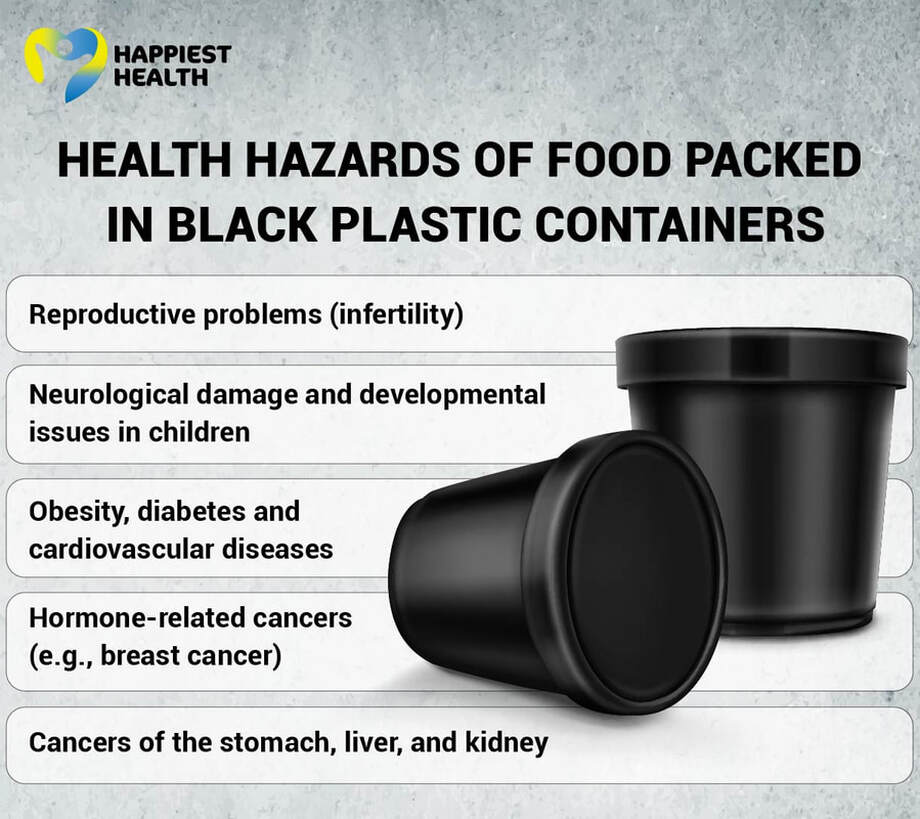
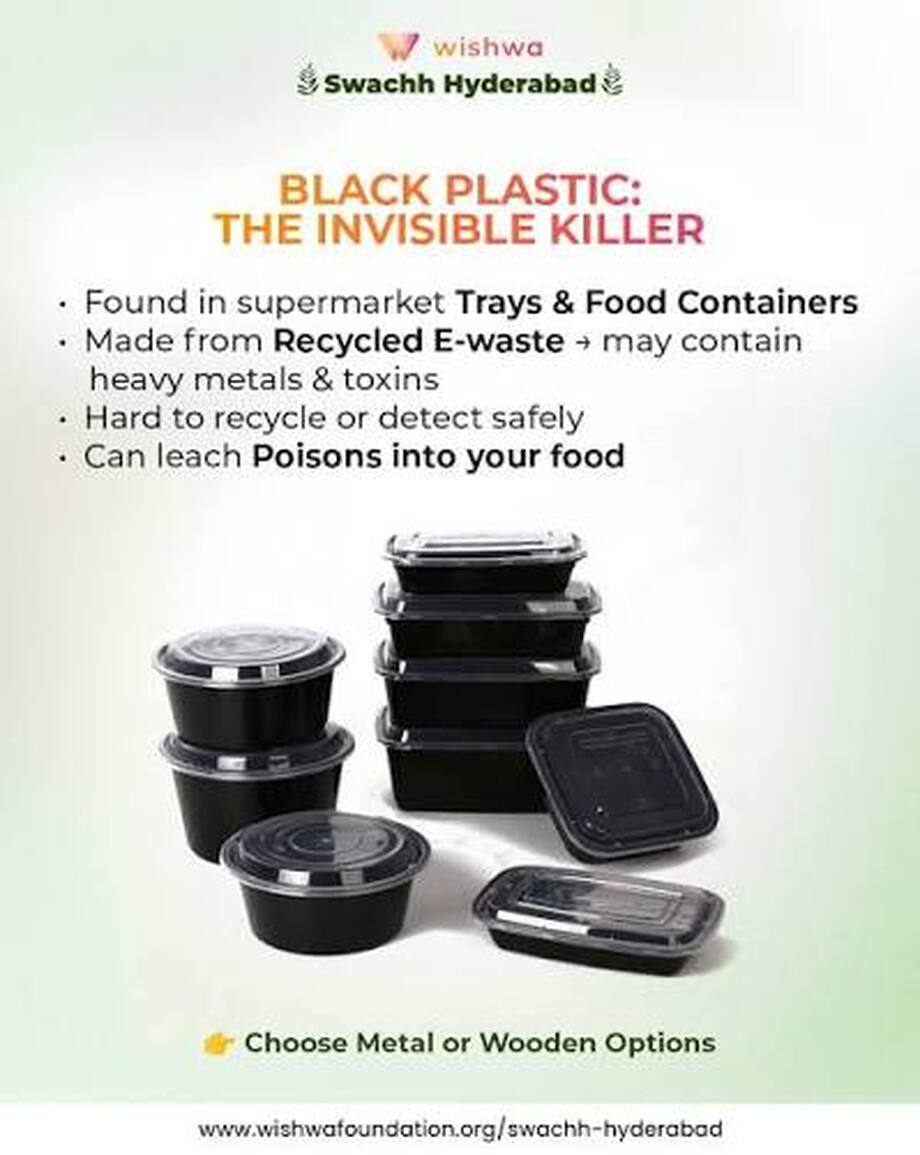
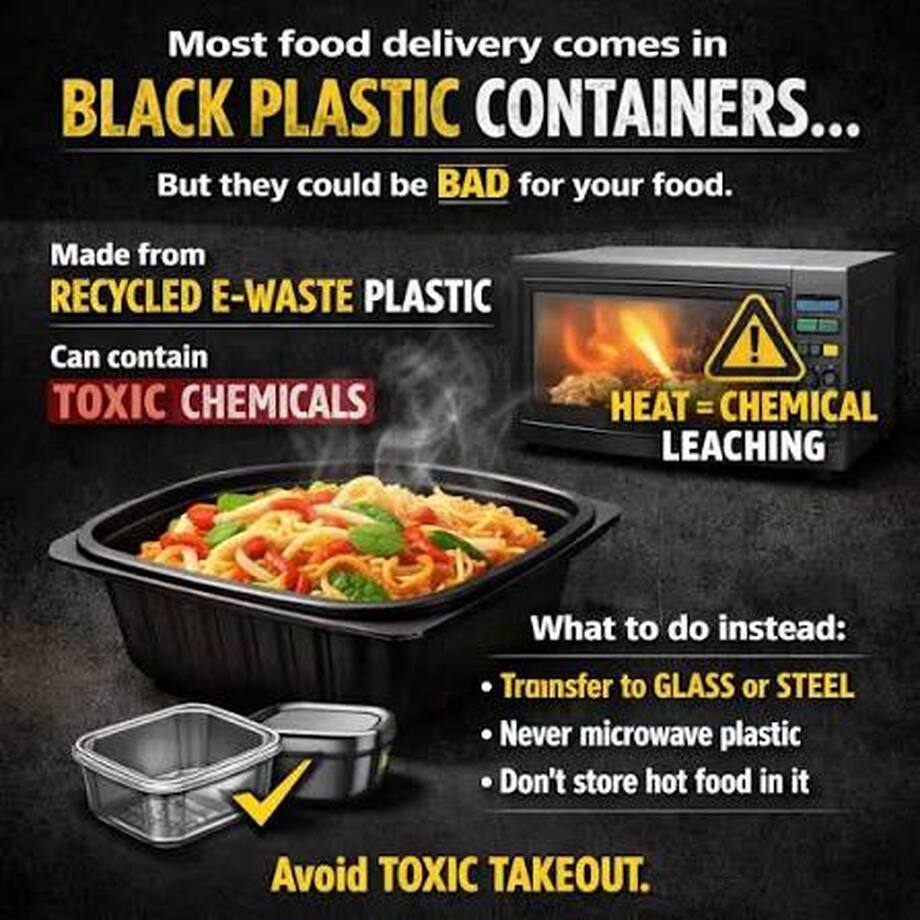
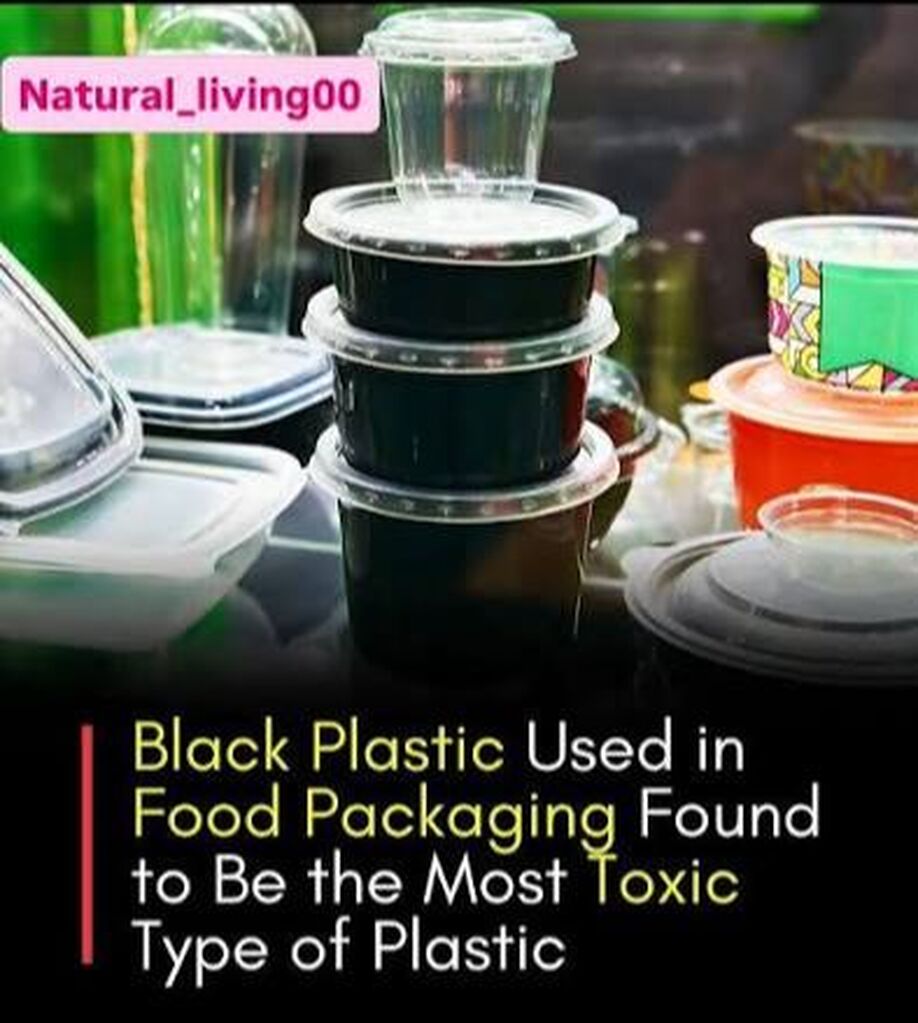
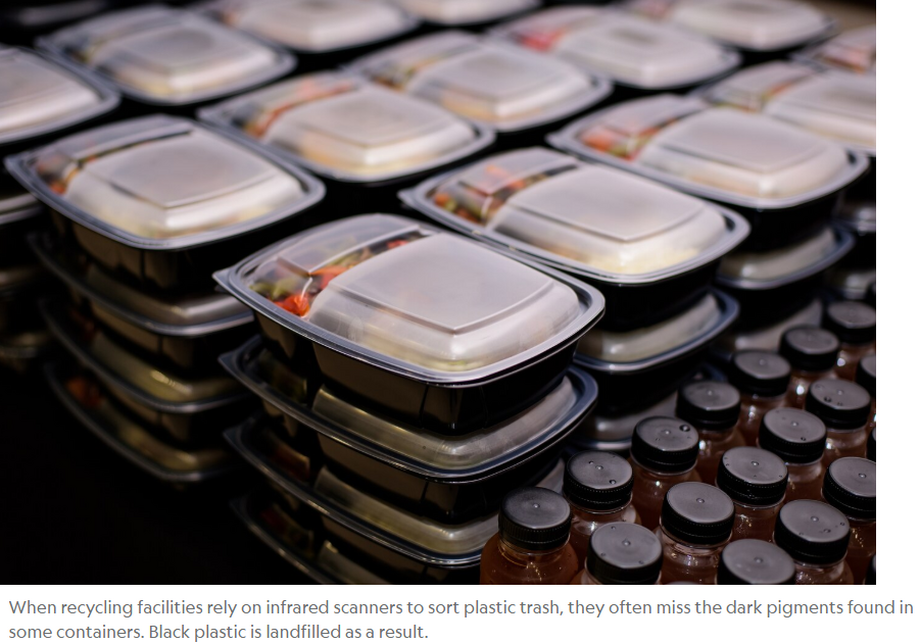
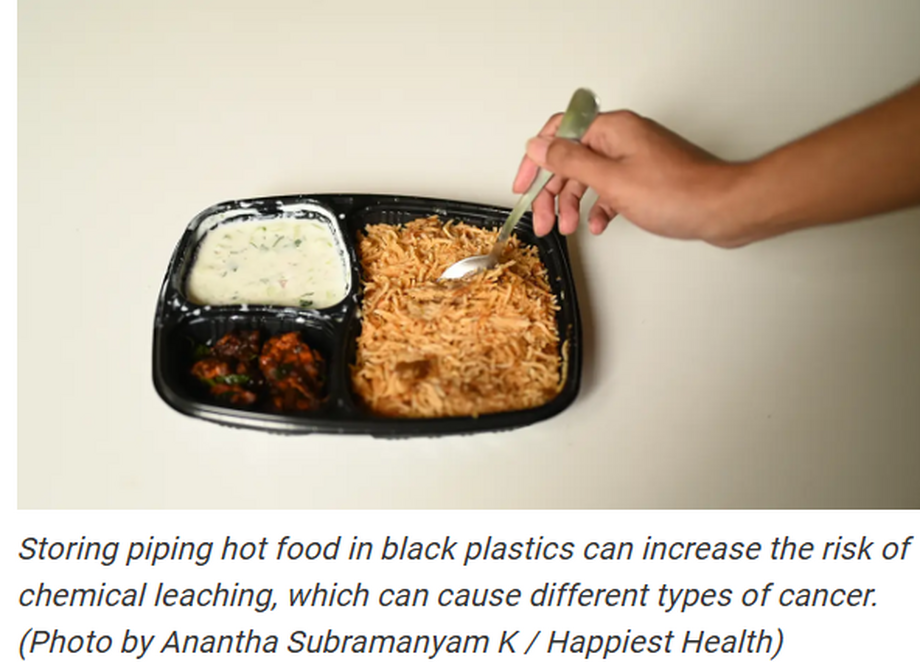
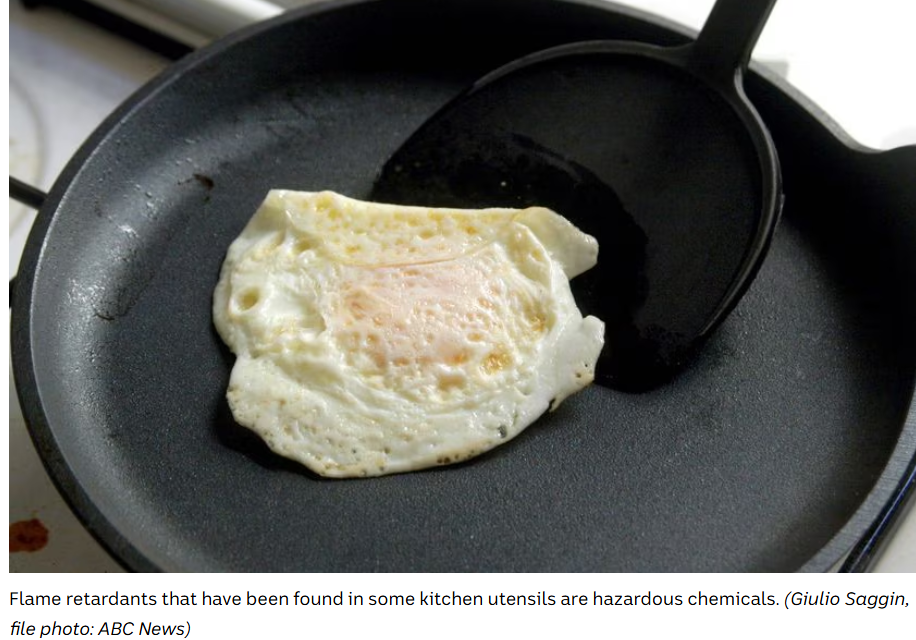
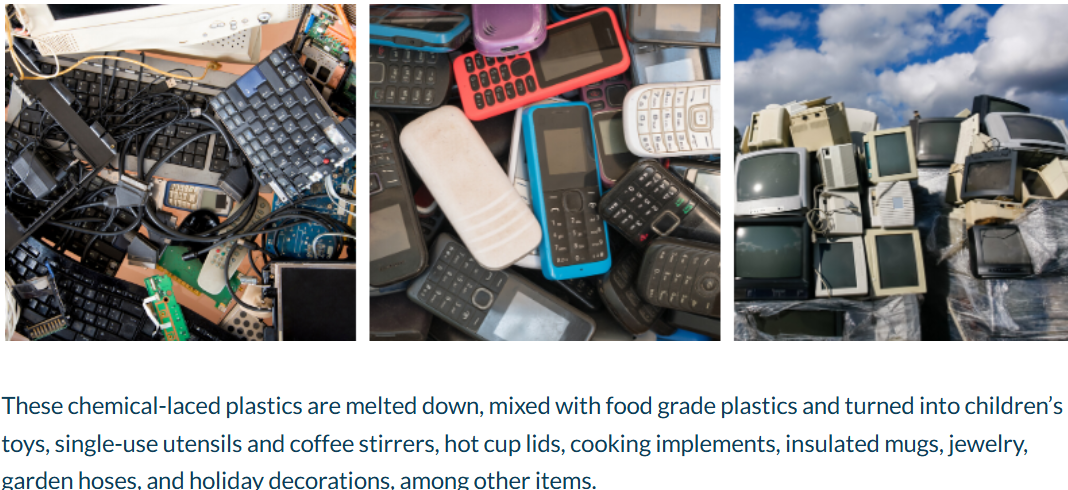
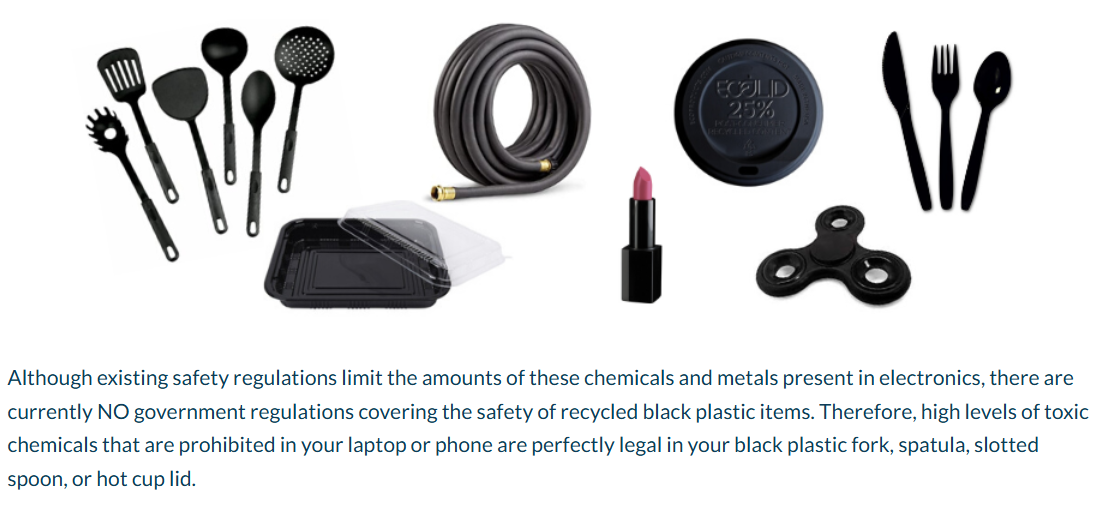
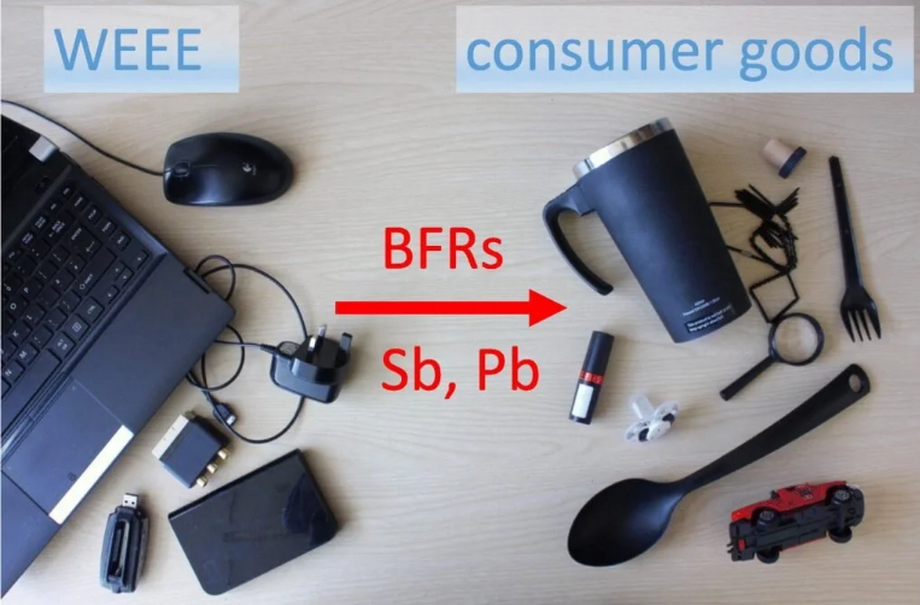
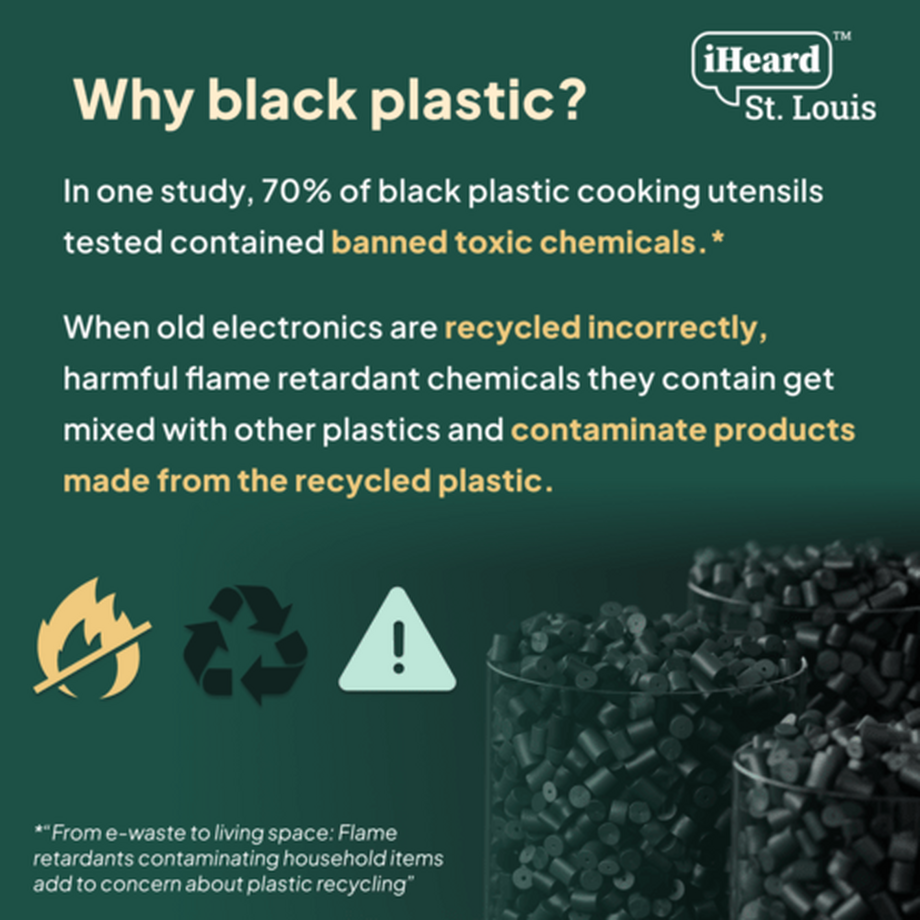
Black plastic containers are highly toxic because they are often made from recycled electronic waste containing flame retardants. When heated, they release harmful chemicals into food. Side effects of ingesting these chemicals include hormonal imbalances, fertility problems, endocrine disruption, and elevated cancer risks. In addition, black plastics are not recyclable due to their color. Black plastic kitchenware like spoons, spatulas and reusable containers can become contaminated with toxic chemicals because they can be made from recycled electronic products. Some electronics like computers, TVs, speakers and coffee machines, have casings made of black plastic and are treated with flame retardants to prevent electrical fires. Flame retardants and other synthetic chemicals can leach from black plastic containers and enter the human body, causing adverse effects. Flame retardants are used in plastic casings of electronics such as televisions, but are not intended for everyday household products, such as take-out containers. Brominated flame retardants have been associated with adverse health effects, including the development of certain types of cancers and may disrupt the endocrine system. They may also have effects on the brain and reproductive system, and it is thought that children are more susceptible to their effects. They can also accumulate in the environment. More than 16,000 chemicals are used in the manufacturing of plastics, and over 1,000 are considered Endocrine-Disrupting Chemicals (EDCs) that could interfere with the hormones in your body.
Credit: Advancible
Credit: Advancible




Poverty deprives people of adequate education, health care and of life's most basic necessities- safe living conditions (including clean air and clean drinking water) and an adequate food supply. The developed (industrialized) countries today account for roughly 20 percent of the world's population but control about 80 percent of the world's wealth.
Poverty and pollution seem to operate in a vicious cycle that, so far, has been hard to break. Even in the developed nations, the gap between the rich and the poor is evident in their respective social and environmental conditions.
Poverty and pollution seem to operate in a vicious cycle that, so far, has been hard to break. Even in the developed nations, the gap between the rich and the poor is evident in their respective social and environmental conditions.