03.12.2025
The Environmental Impact Of Black Friday
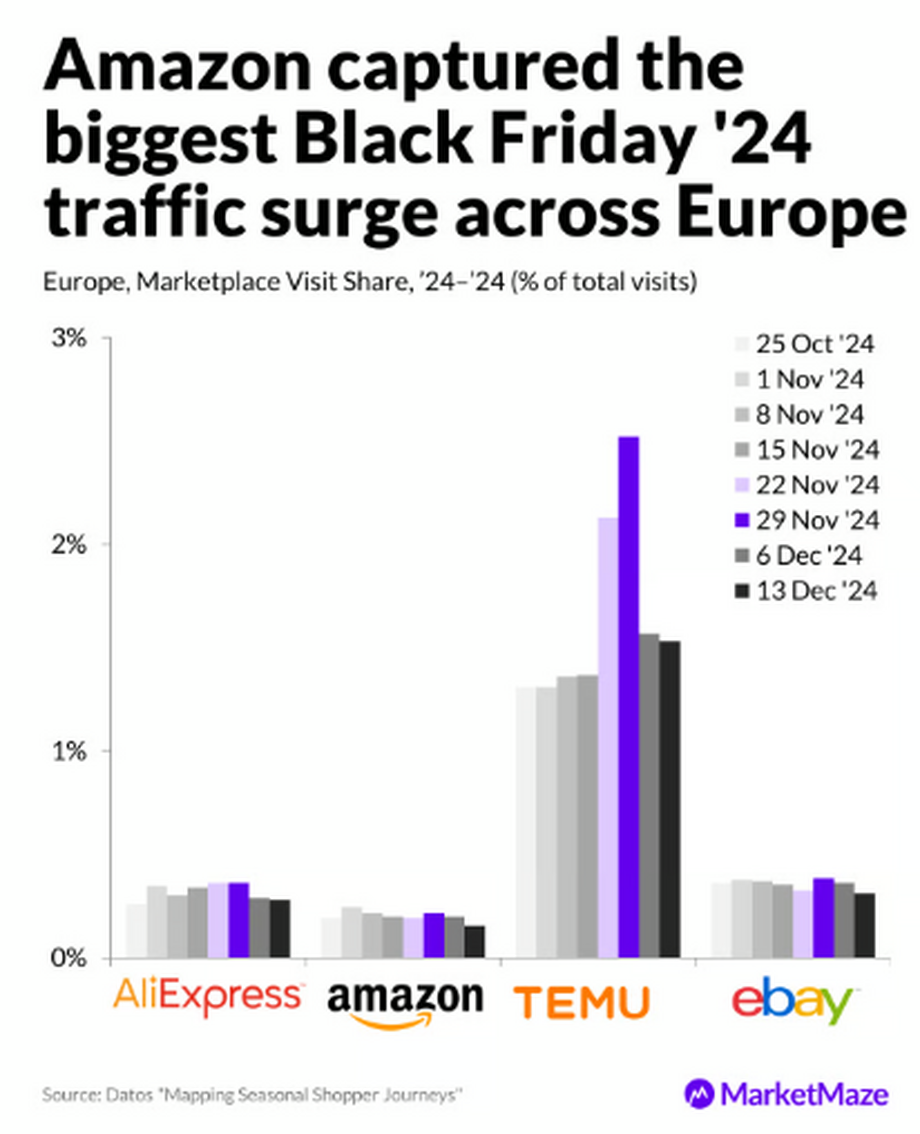
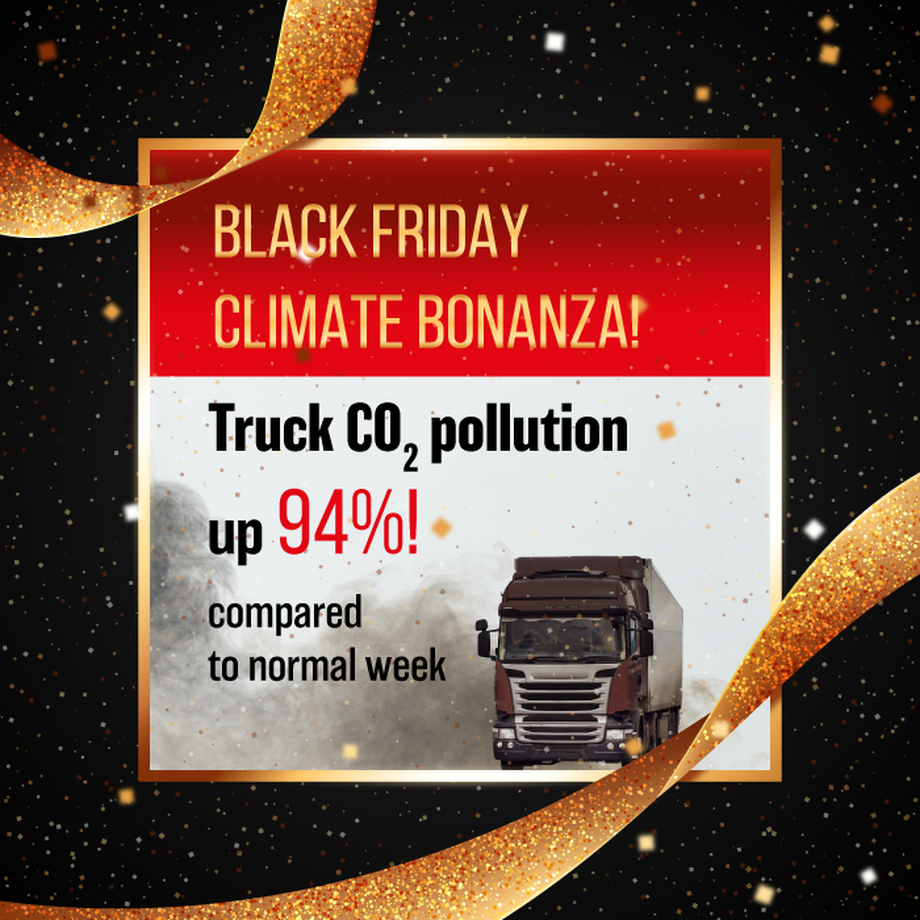
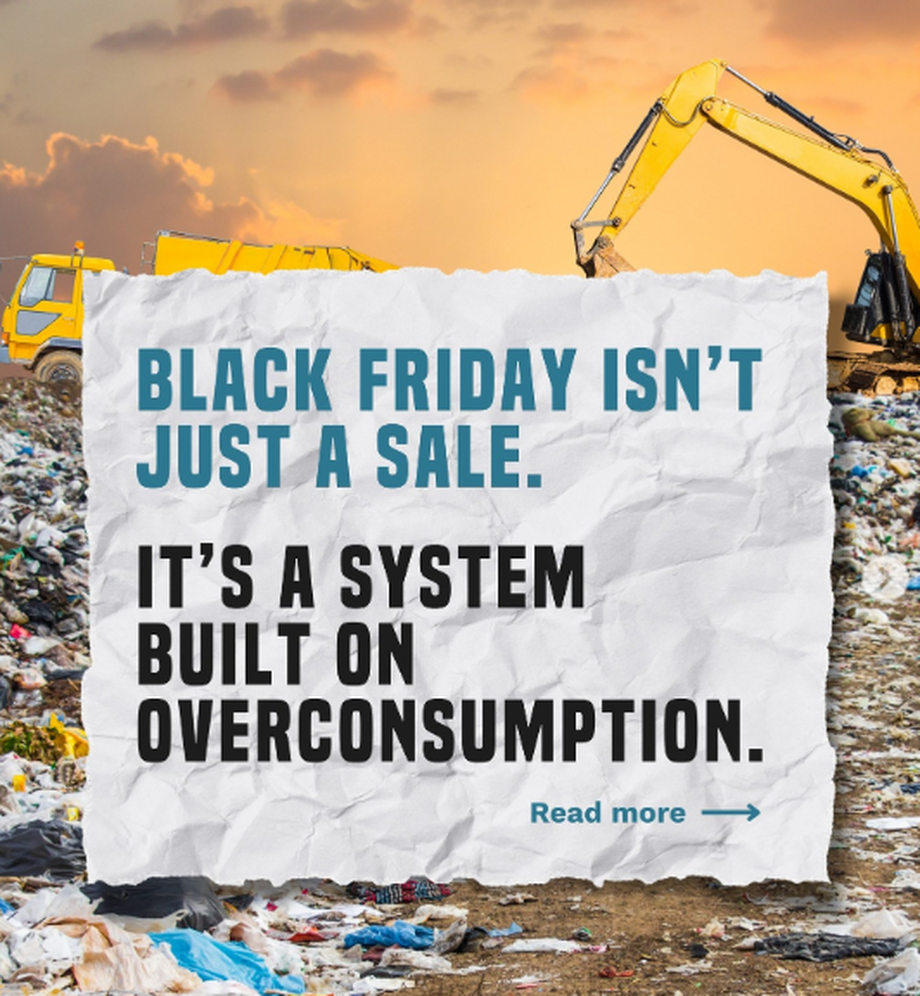
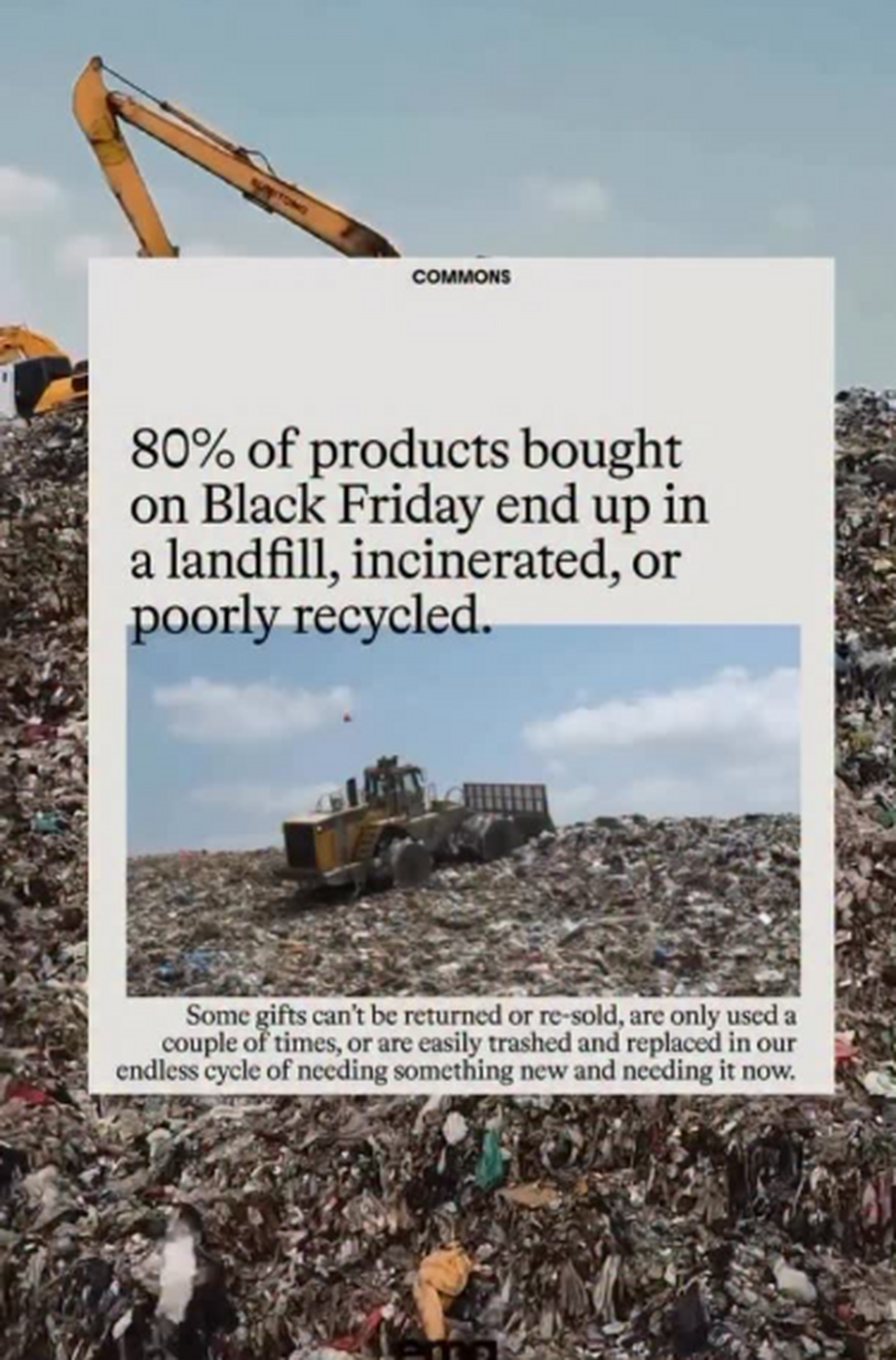
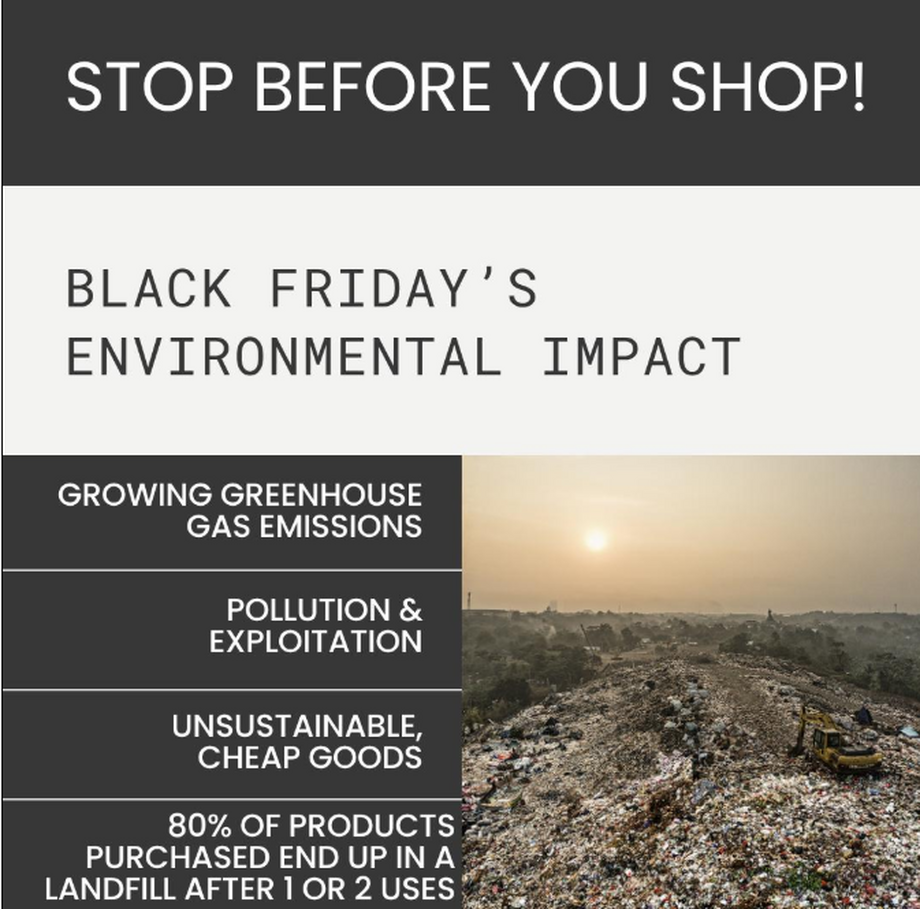
Every year, the Black Friday generates unprecedented logistical pressure. Between delivery peaks, rising CO₂ emissions, and strain on vehicle fleets, the environmental impact is significant. Behind every “must-have deal” lies a logistics chain under extreme pressure. Online shopping generates extra packaging, passage through hubs and warehouses, and thousands of kilometers travelled before the final delivery. Here we will unpack the worst environmental impacts of Black Friday. The world produces 164 million tonnes of plastic packaging a year. The surge in sales during Black Friday increases the production and disposal of plastic waste. For example, Amazon’s Black Friday deals led to a 352% surge in purchases in 2024. As a result, Amazon also produced around 521,596 metric tonnes of plastic packaging waste in 2024. The Black Friday shopping frenzy also causes a spike in deliveries. The products we purchase either air-freighted by plane or shipped across the ocean, then transported by a delivery van to be dropped at our doorstep, all of which adds to its carbon footprint. Black Friday deals where prices are temporarily reduced can encourage people to buy things they don’t necessarily want but feel compelled to buy, otherwise they’ll “lose out” on a cheaper deal. A 2024 study found that consumers threw away 80% of items purchased on Black Friday after a few uses. Discarded products ending up in landfills, incinerated, or going to low-quality recycling centers. Many people choose to return their goods instead. But one study found that the environmental costs of returns can be 30% higher than the initial delivery due to the energy-intensive logistics. When you return a product bought online, lorries or ships will transport them back to the warehouse – where manufacturers will need to steam, clear, or re-package returned products in new plastic wrapping. Returns can also be twice as expensive for the manufacturer compared to the initial cost of delivery. Some brands, unprepared to cover these costs can end up sending returns straight to landfill because it’s cheaper.
Credit: Ecosia
Credit: Ecosia






Poverty deprives people of adequate education, health care and of life's most basic necessities- safe living conditions (including clean air and clean drinking water) and an adequate food supply. The developed (industrialized) countries today account for roughly 20 percent of the world's population but control about 80 percent of the world's wealth.
Poverty and pollution seem to operate in a vicious cycle that, so far, has been hard to break. Even in the developed nations, the gap between the rich and the poor is evident in their respective social and environmental conditions.
Poverty and pollution seem to operate in a vicious cycle that, so far, has been hard to break. Even in the developed nations, the gap between the rich and the poor is evident in their respective social and environmental conditions.