24.02.2026
Bangladesh Shipbreaking: 145 Workers Dead, Over 400 Injured In A Decade
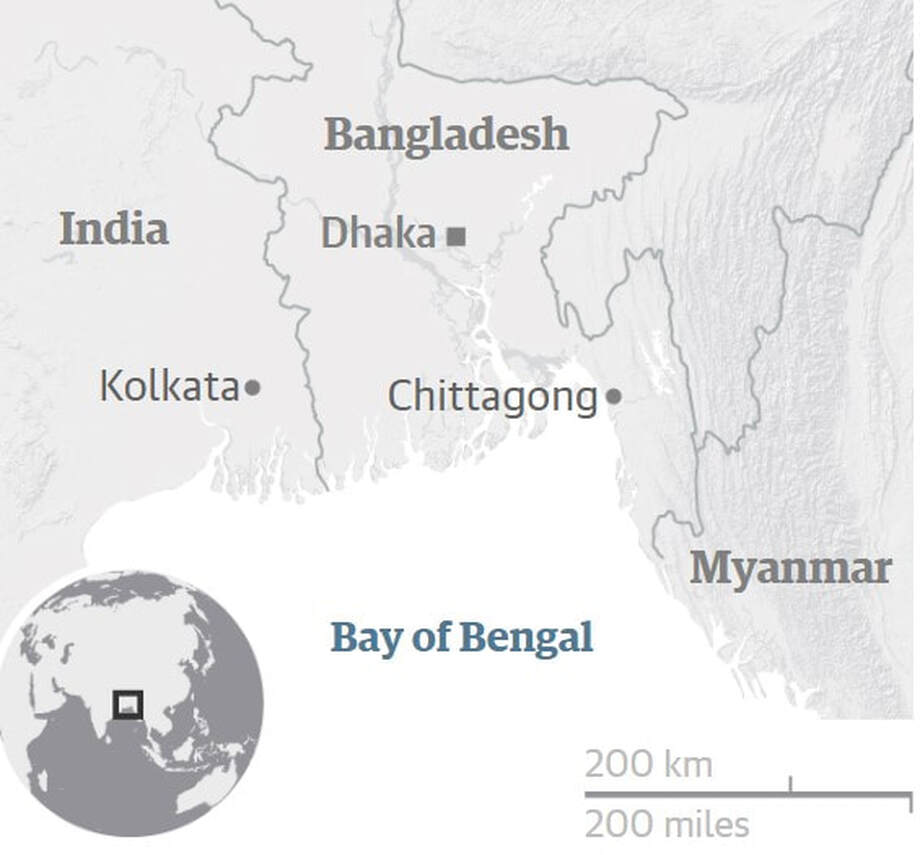
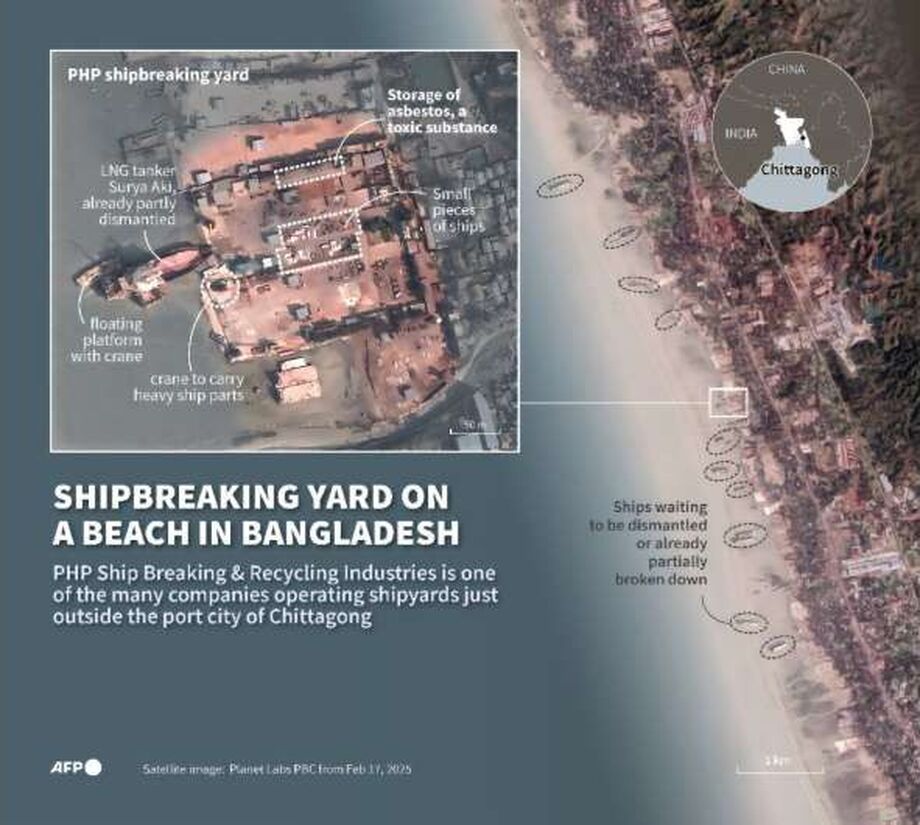
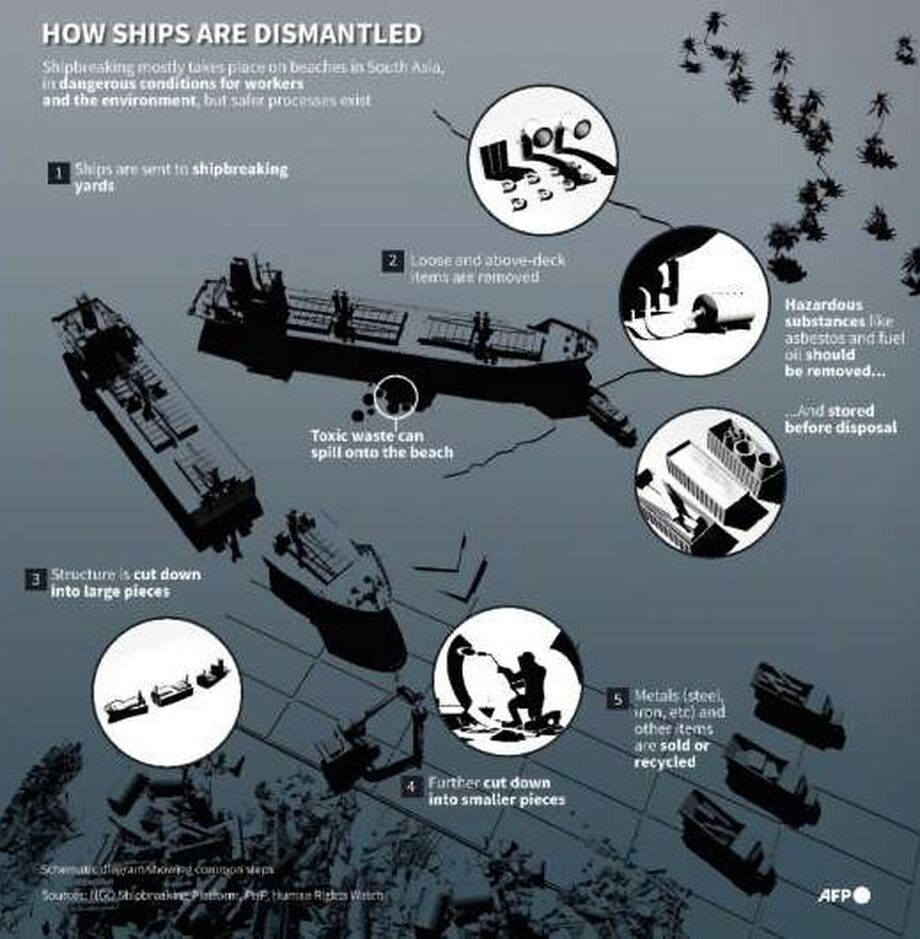
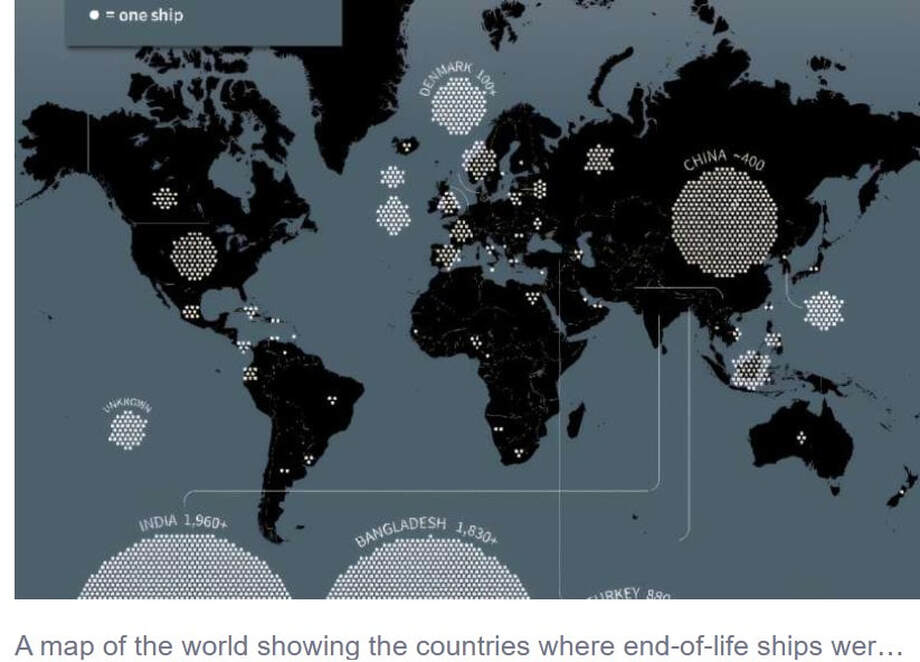
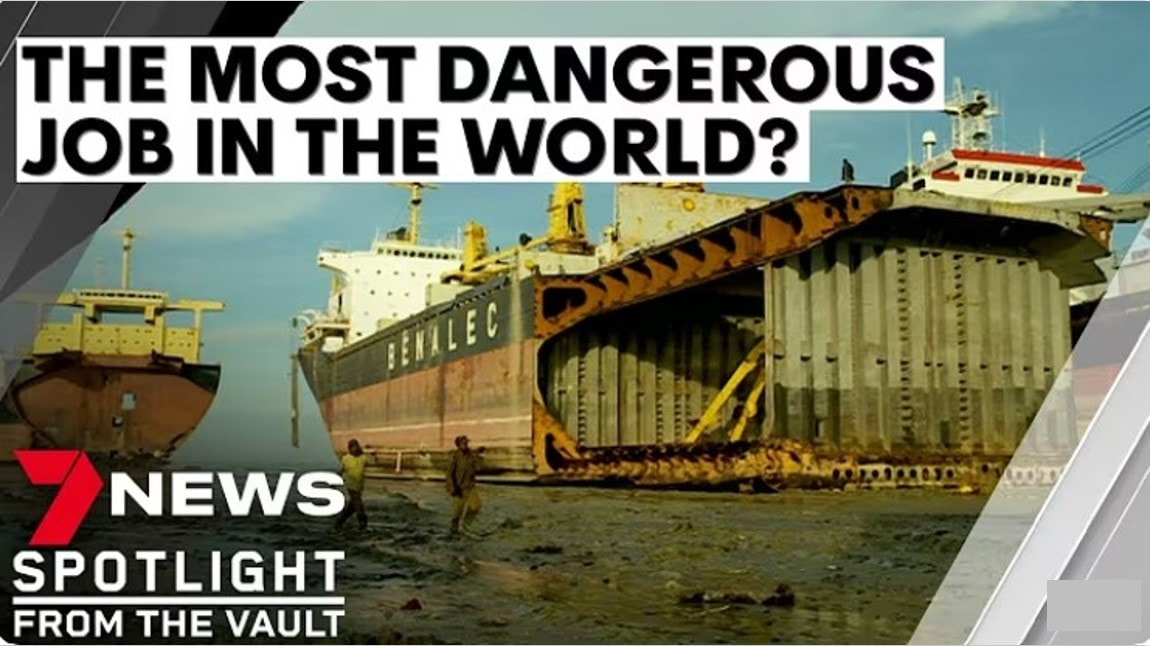
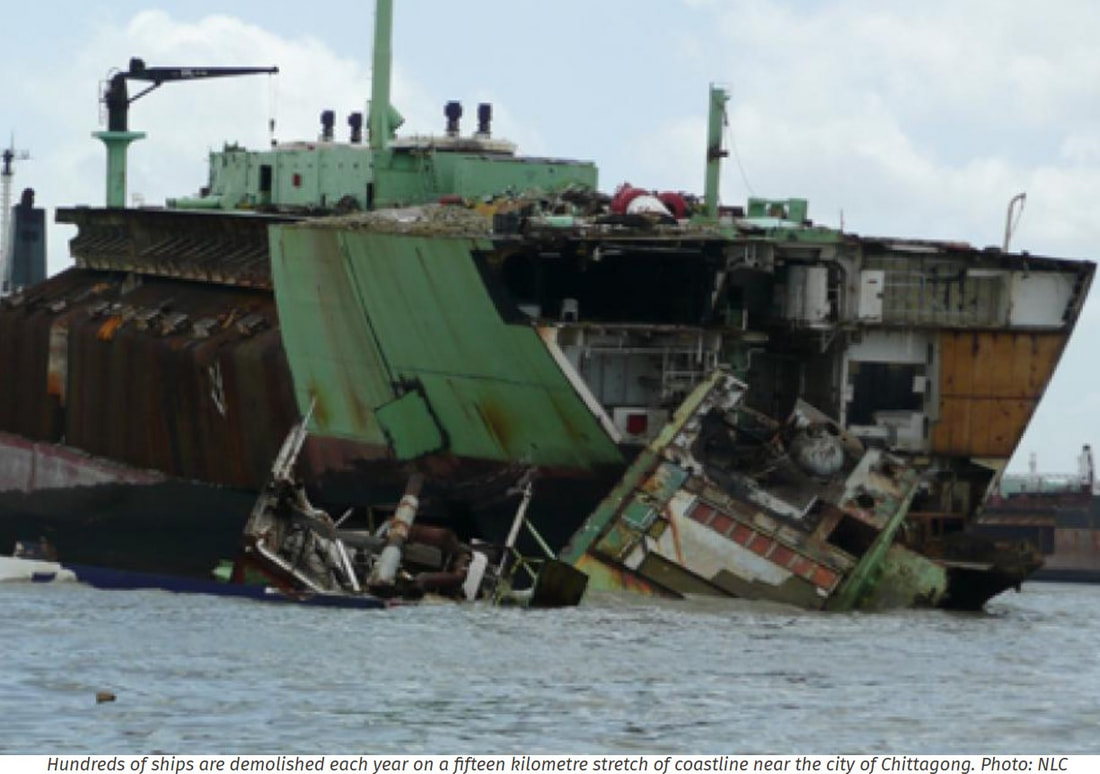
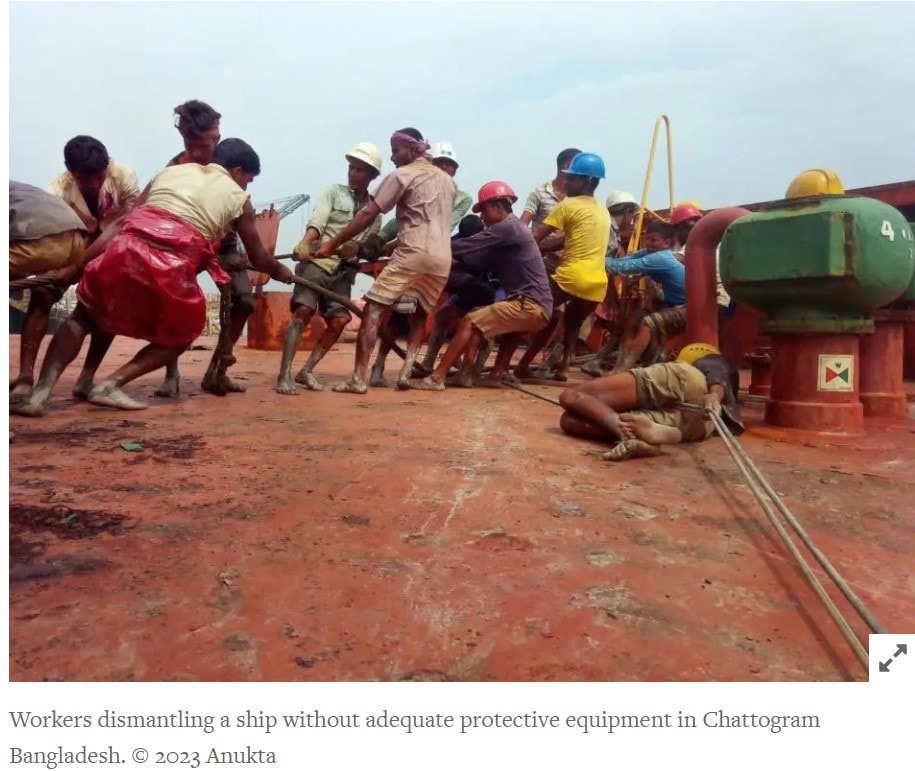
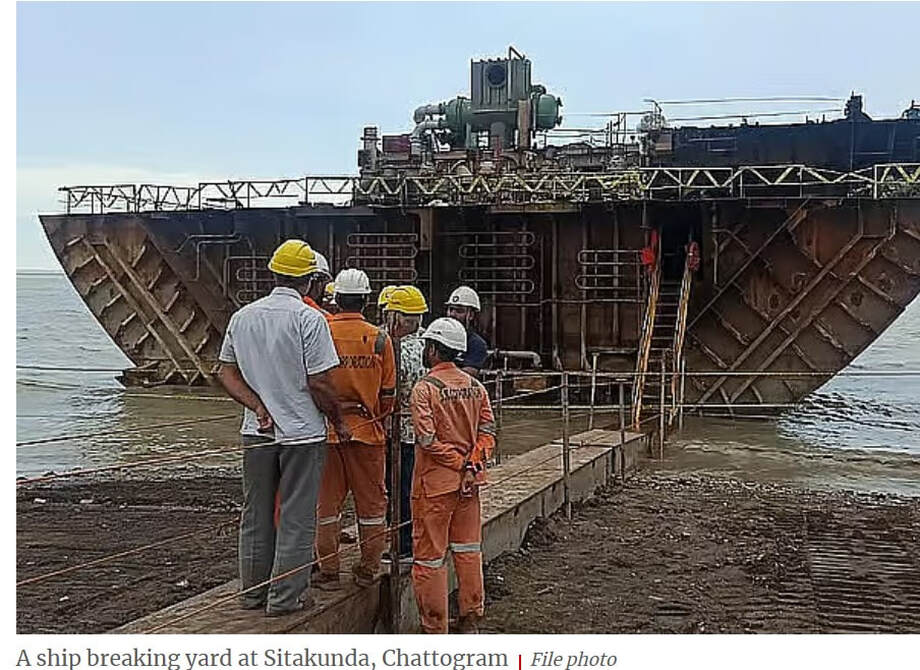
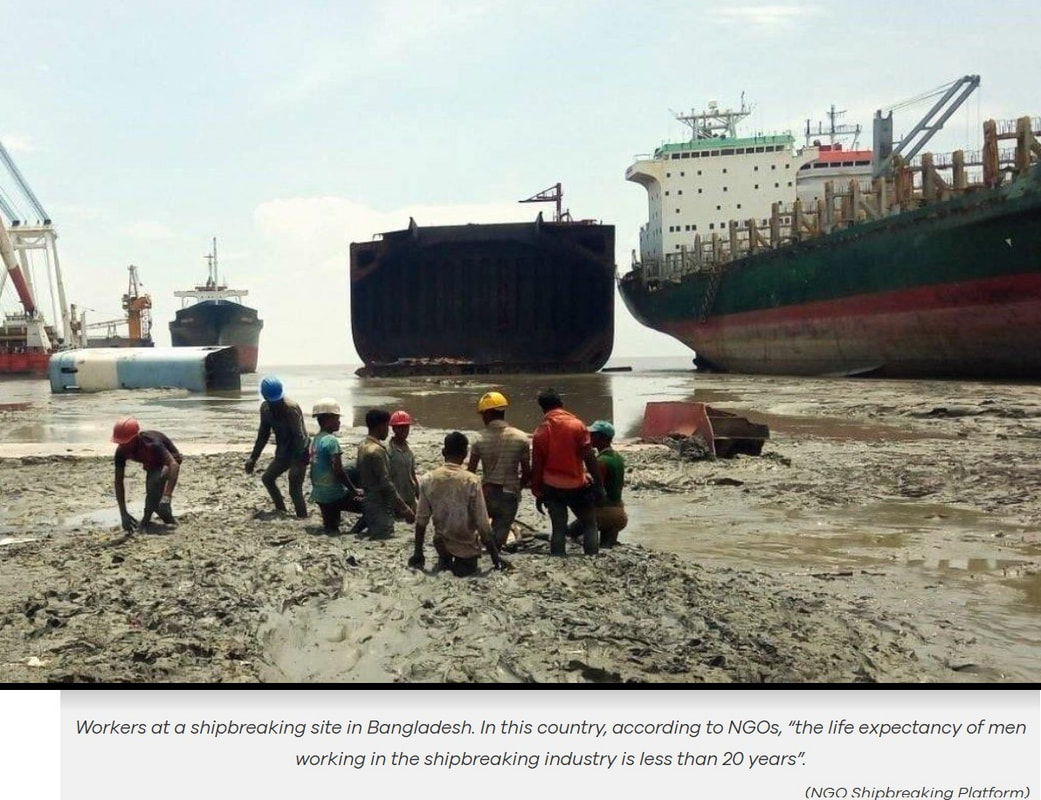
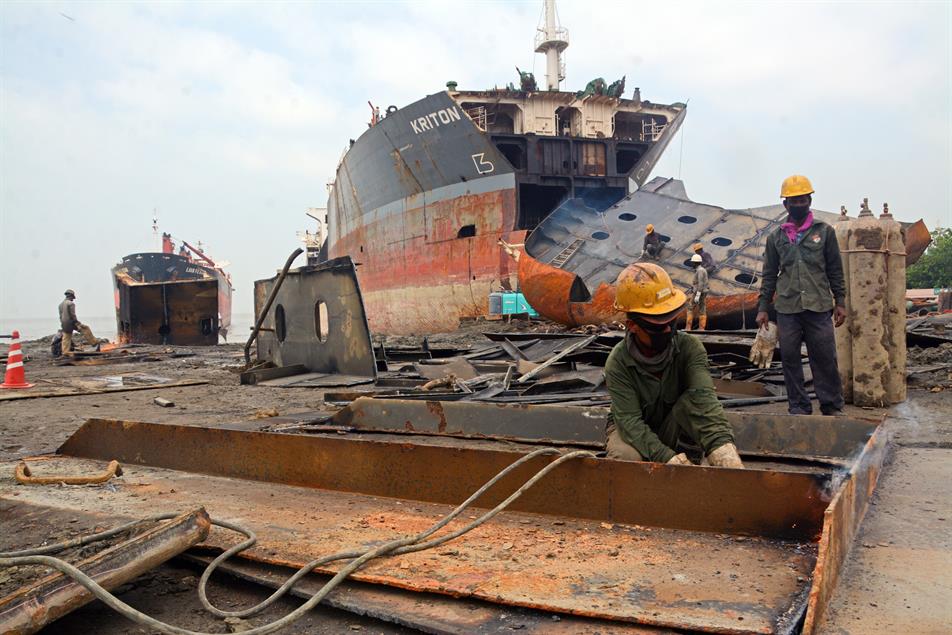
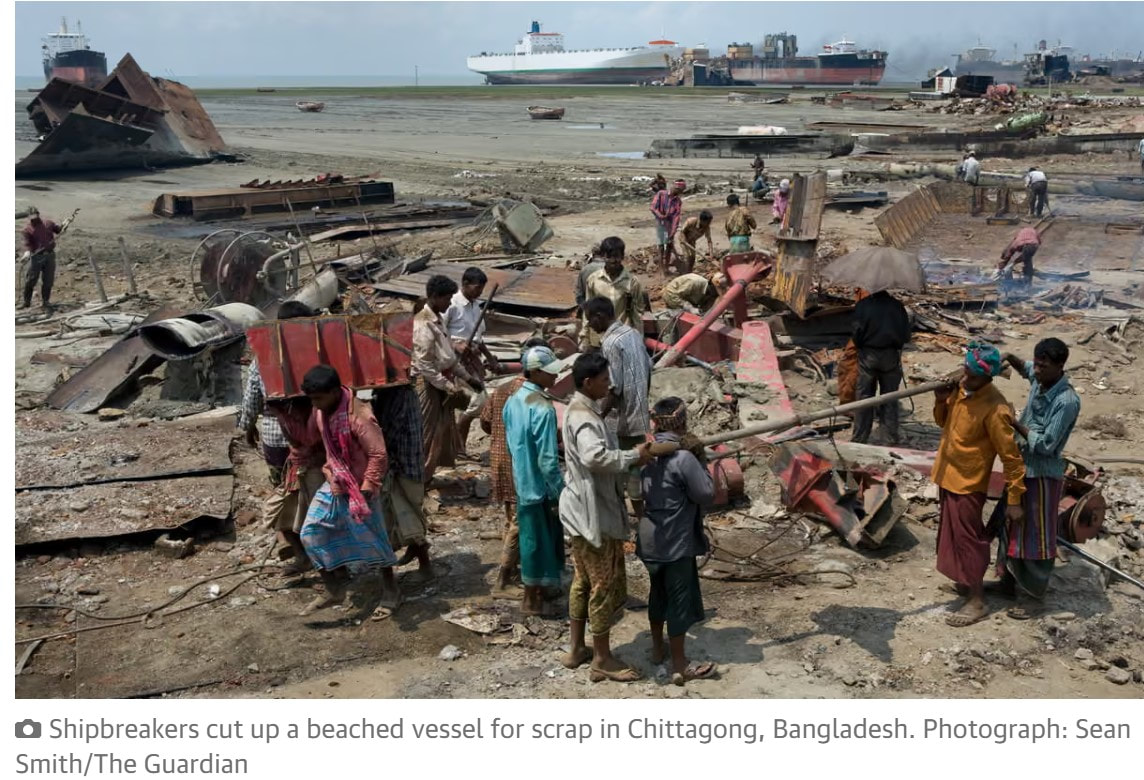
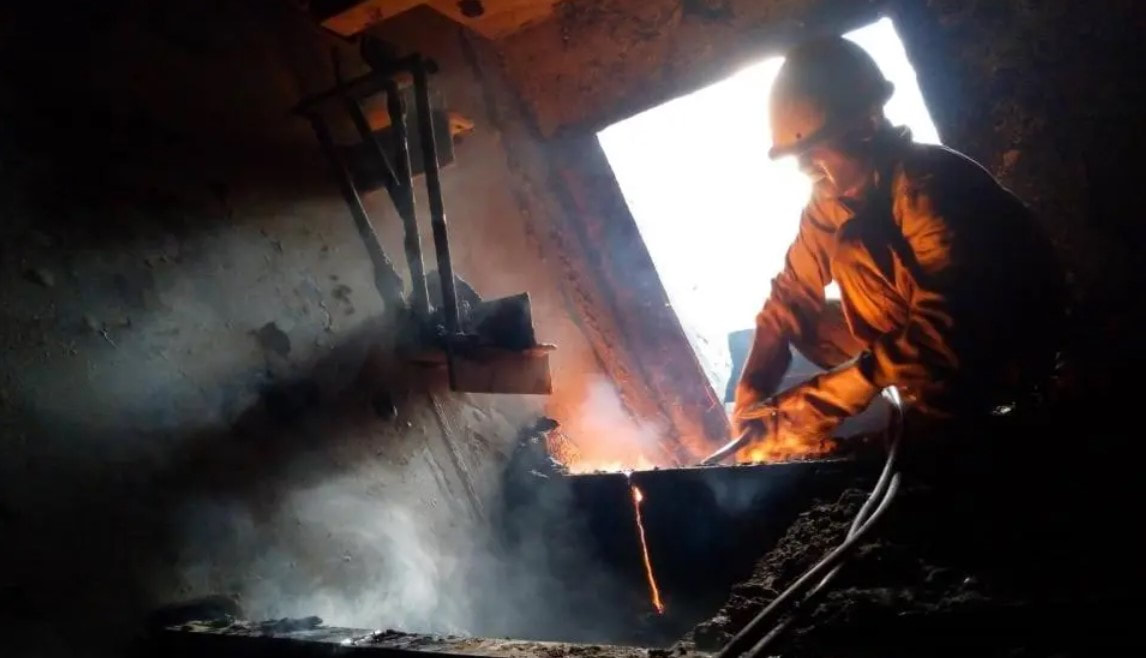
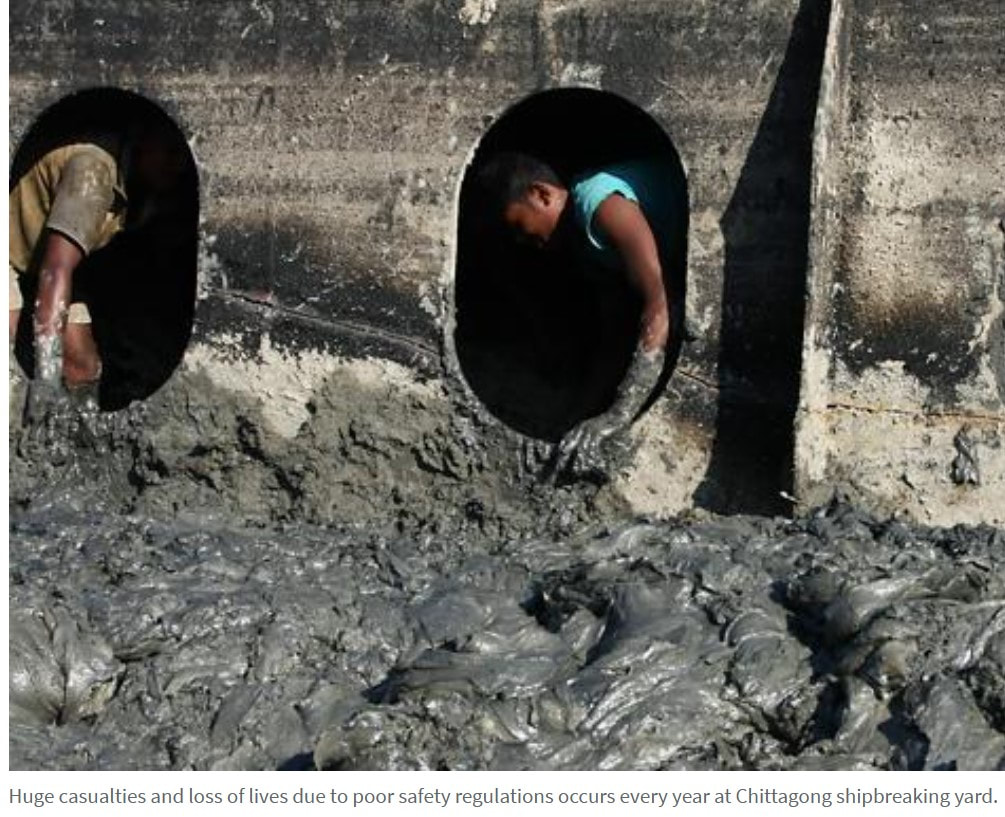
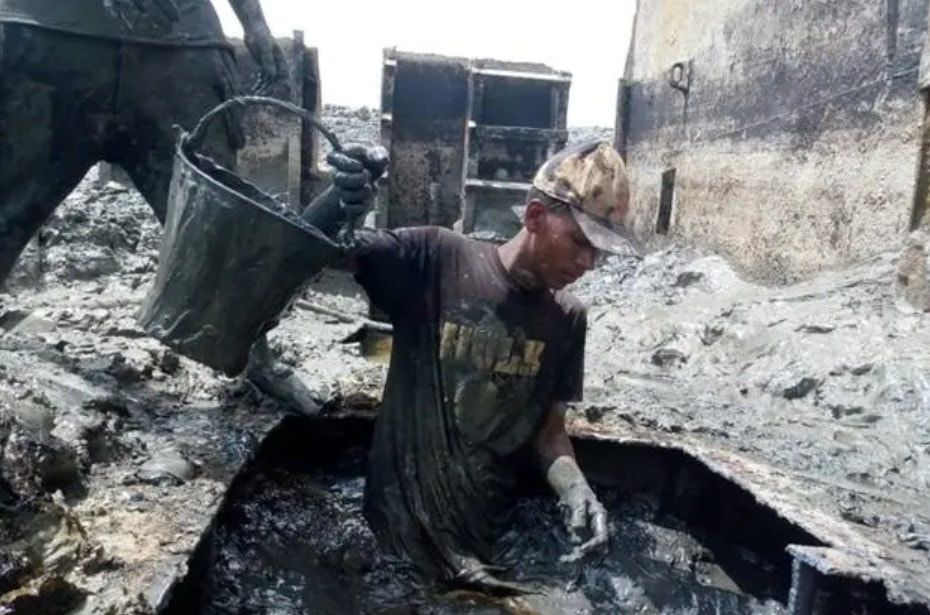
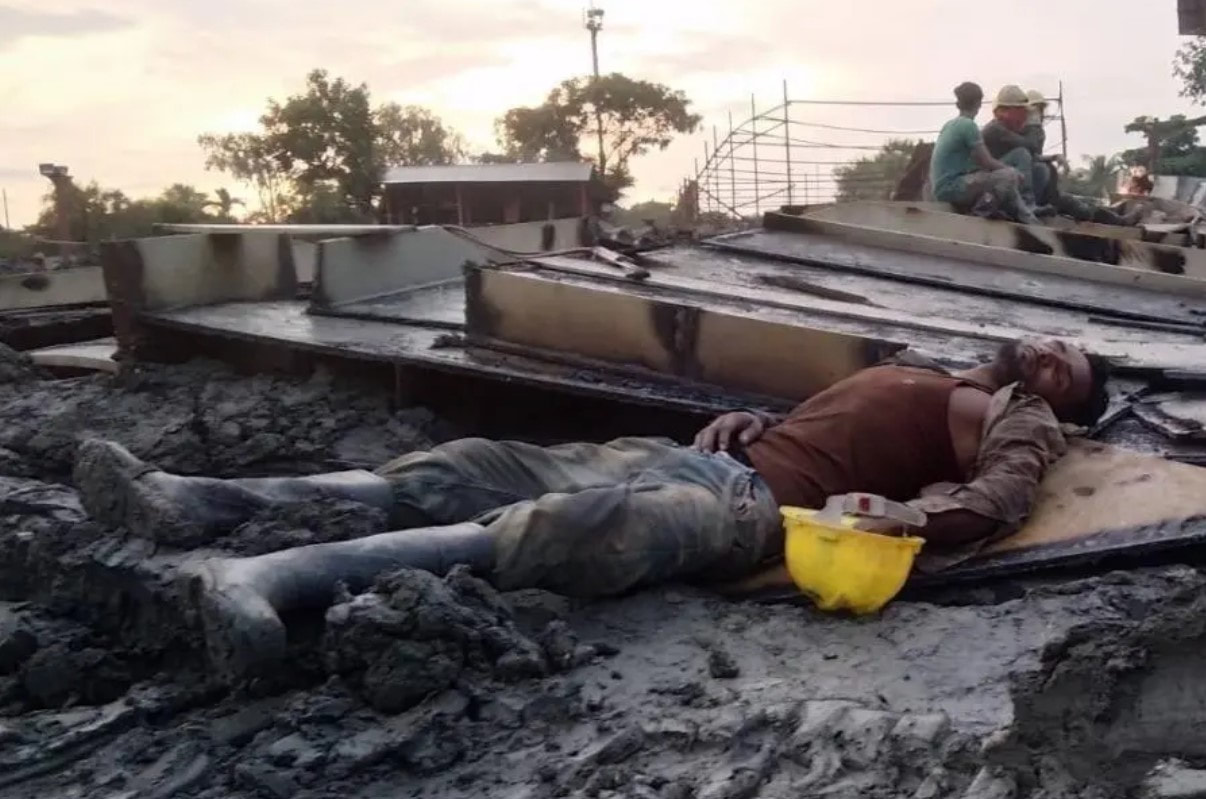
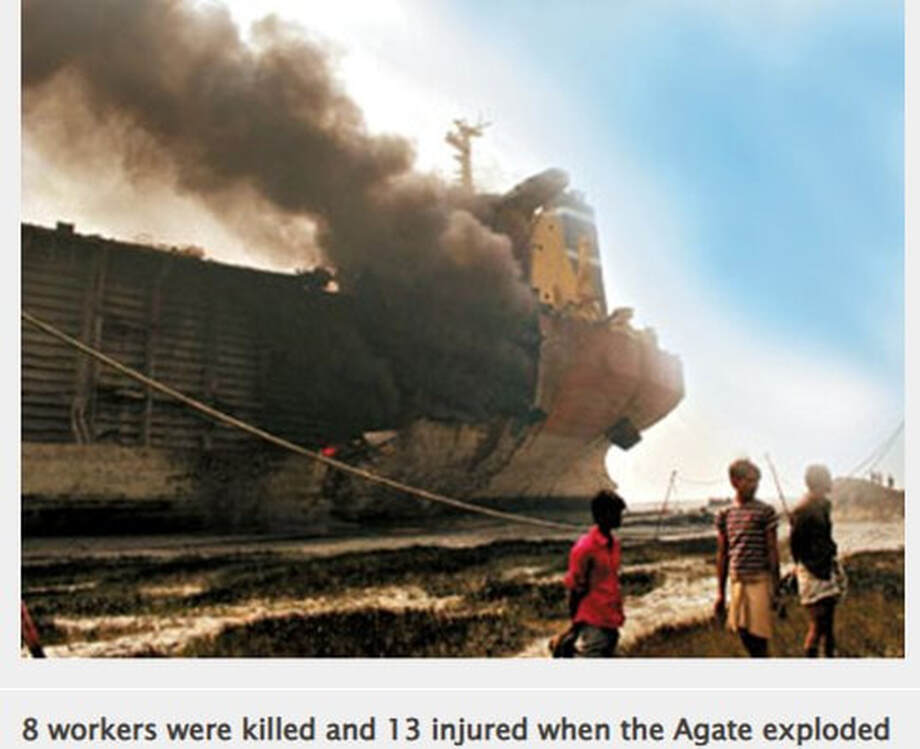
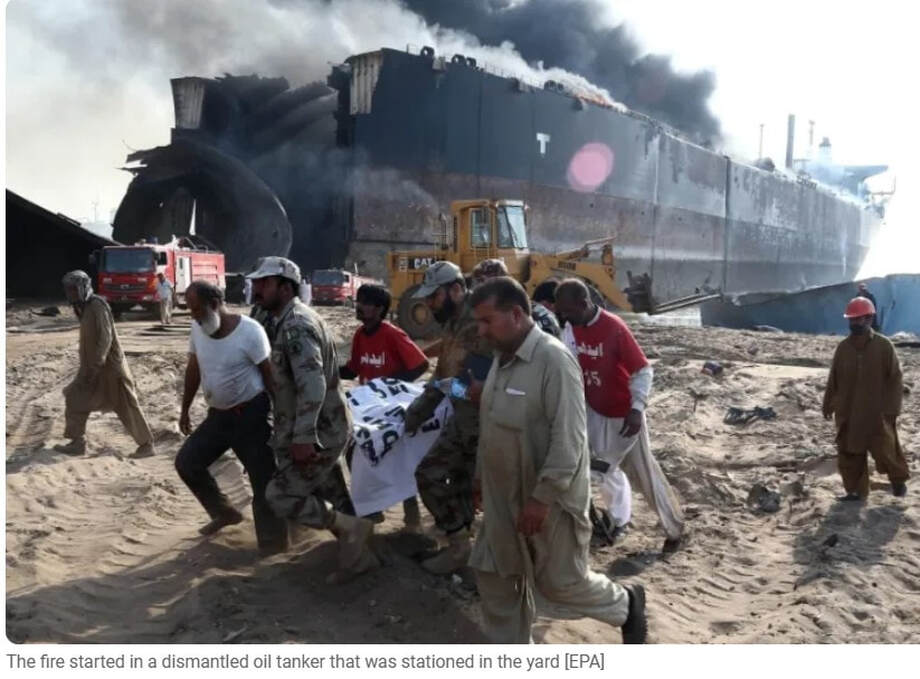
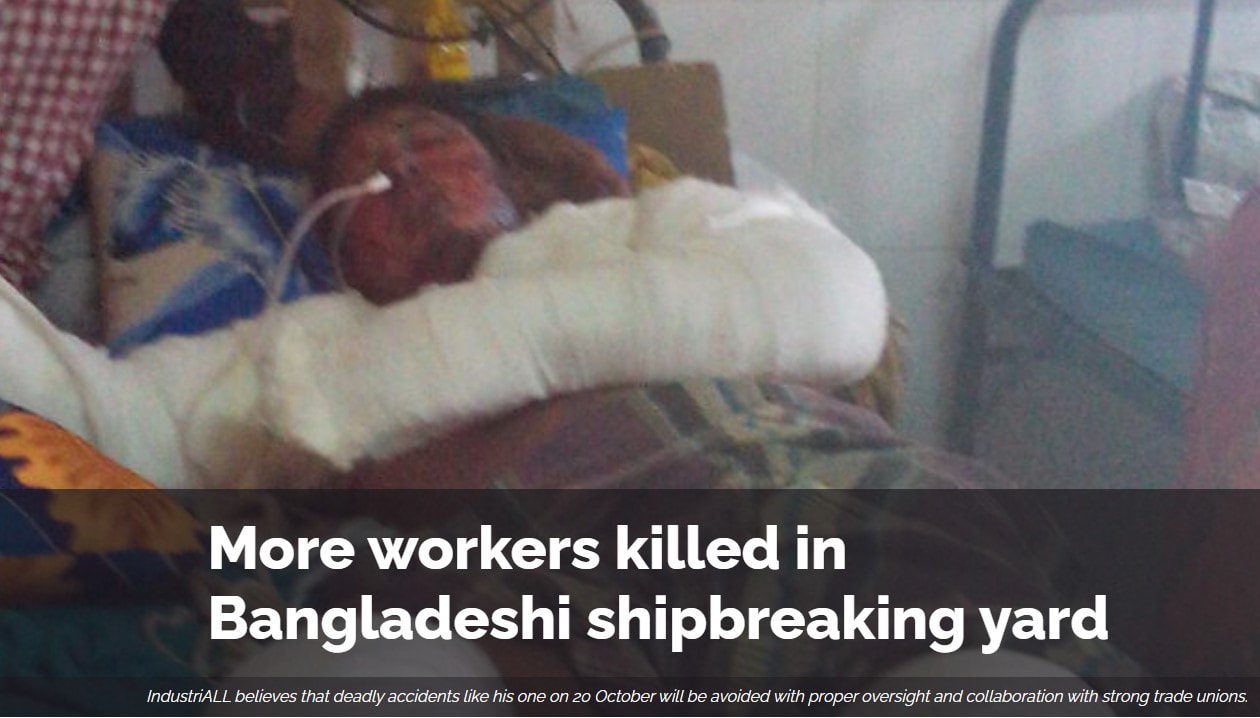
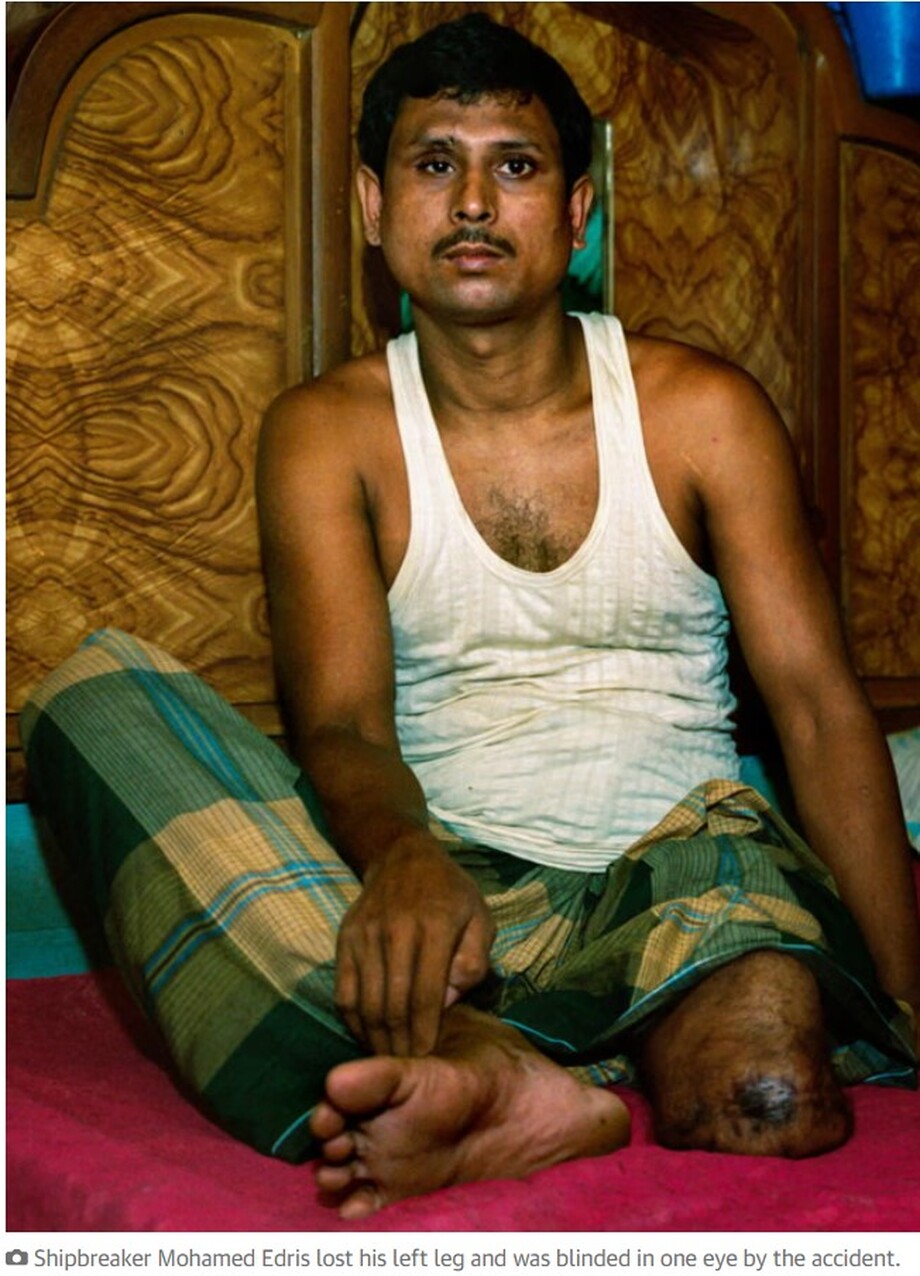
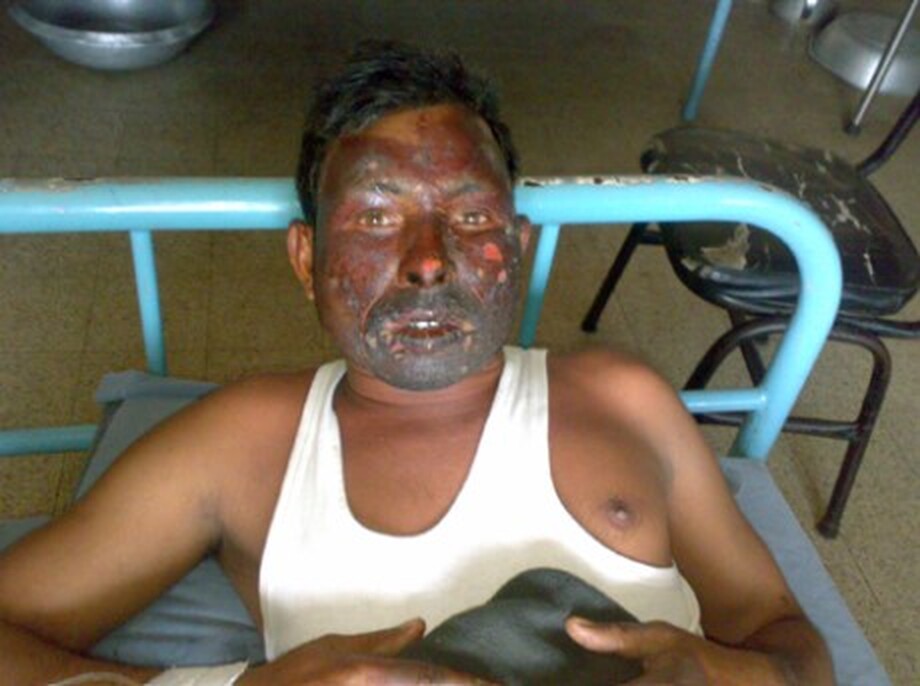
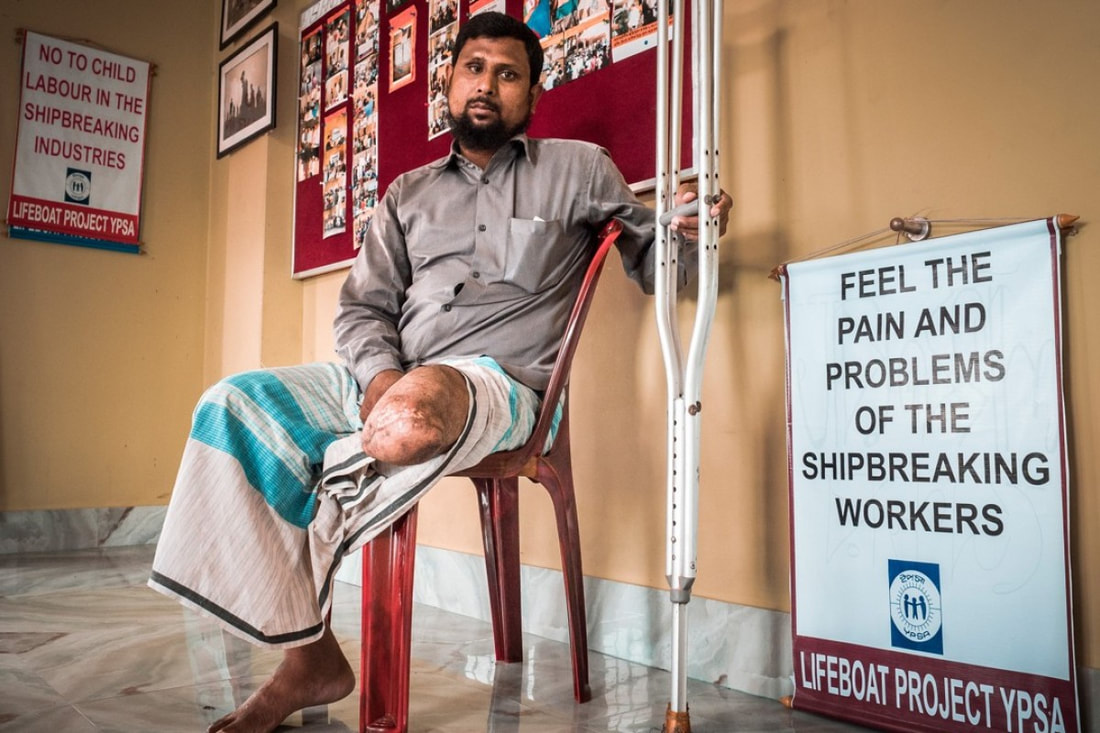
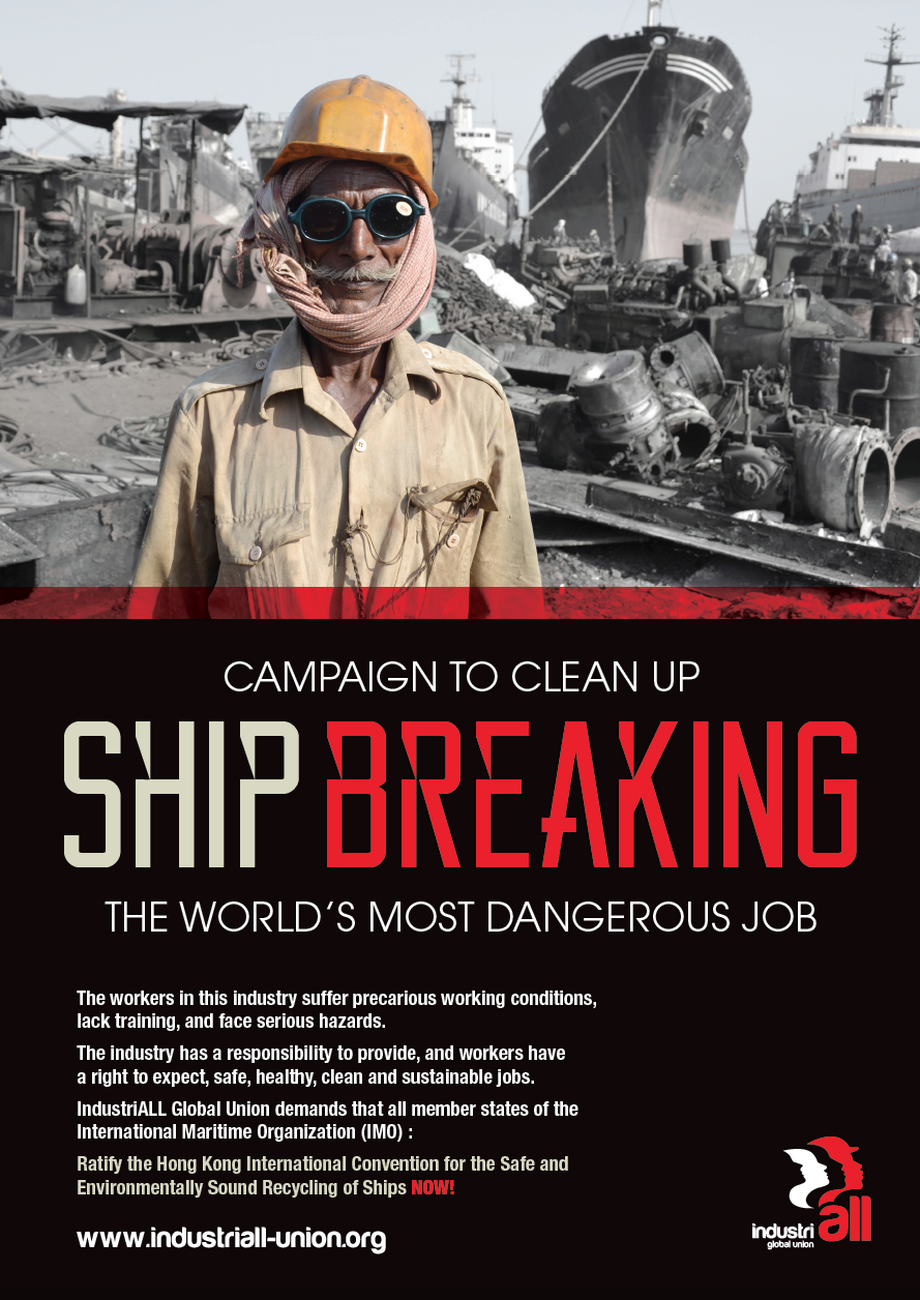
A decade ago, around 150 yards were in operation in Sitakunda, with an average of 40 worker deaths per year. Many incidents were never reported, and this allegation still persists. Currently, around 60,000 workers are directly or indirectly involved in shipbreaking and associated industries. Only 20 yards are currently in operation, and seven of them are certified green yards. Although international laws prohibit the export of ships to these yards without adequate protections for the environment or workers, many companies manage to circumvent the rules. They sell the vessels they no longer have any use for to intermediaries known as cash buyers or scrap dealers. These intermediaries then change the ship’s flag of origin to flags of convenience from states with little regard for international conventions, such as Comoros, Palau or Saint Kitts and Nevis, and register them under new names and new PO box addresses to make them untraceable. The boats are then taken to India, Bangladesh or Pakistan, where they are sold to shipbreaking yards. There, at high tide, they are run aground and doomed to wait until the water retreats and the workers can begin dismantling them directly on the beach where the shipbreaking yards are located. “Without containment, such as in a dry dock, the various pollutants in the ships, their equipment or their structures (oily water, hydrocarbons, PCBs, paint, asbestos dust, etc.) spill onto the sand and into the water,” These toxic substances are also hazardous to the health of the workers, who rarely have the protective equipment needed for the work on such sites. Exposed to deadly toxins, explosive gases and chunks of steel falling during the cutting process, workers at the Alang, Chattogram and Gadani yards risk their lives on a daily basis. These employees are all the more vulnerable as most of them are underpaid immigrant workers and many are hired without genuine employment contracts.
Credit: National Geographic
Credit: National Geographic
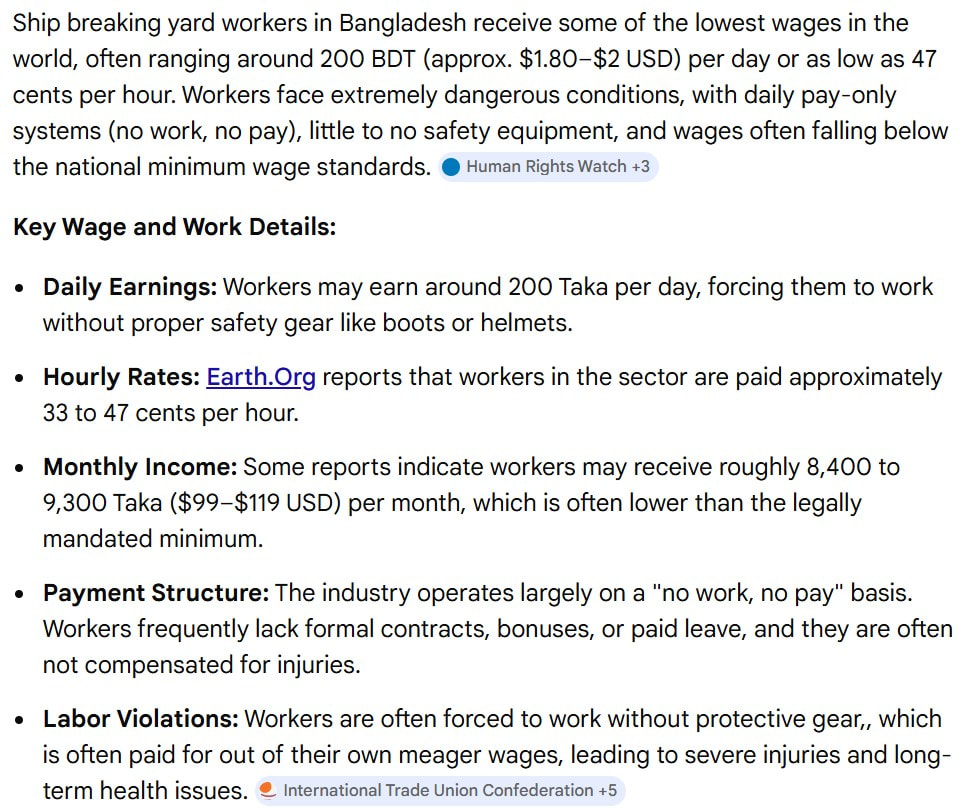

Poverty deprives people of adequate education, health care and of life's most basic necessities- safe living conditions (including clean air and clean drinking water) and an adequate food supply. The developed (industrialized) countries today account for roughly 20 percent of the world's population but control about 80 percent of the world's wealth.
Poverty and pollution seem to operate in a vicious cycle that, so far, has been hard to break. Even in the developed nations, the gap between the rich and the poor is evident in their respective social and environmental conditions.
Poverty and pollution seem to operate in a vicious cycle that, so far, has been hard to break. Even in the developed nations, the gap between the rich and the poor is evident in their respective social and environmental conditions.