16.06.2026
Where Does the Airplane Waste Go After Landing ?
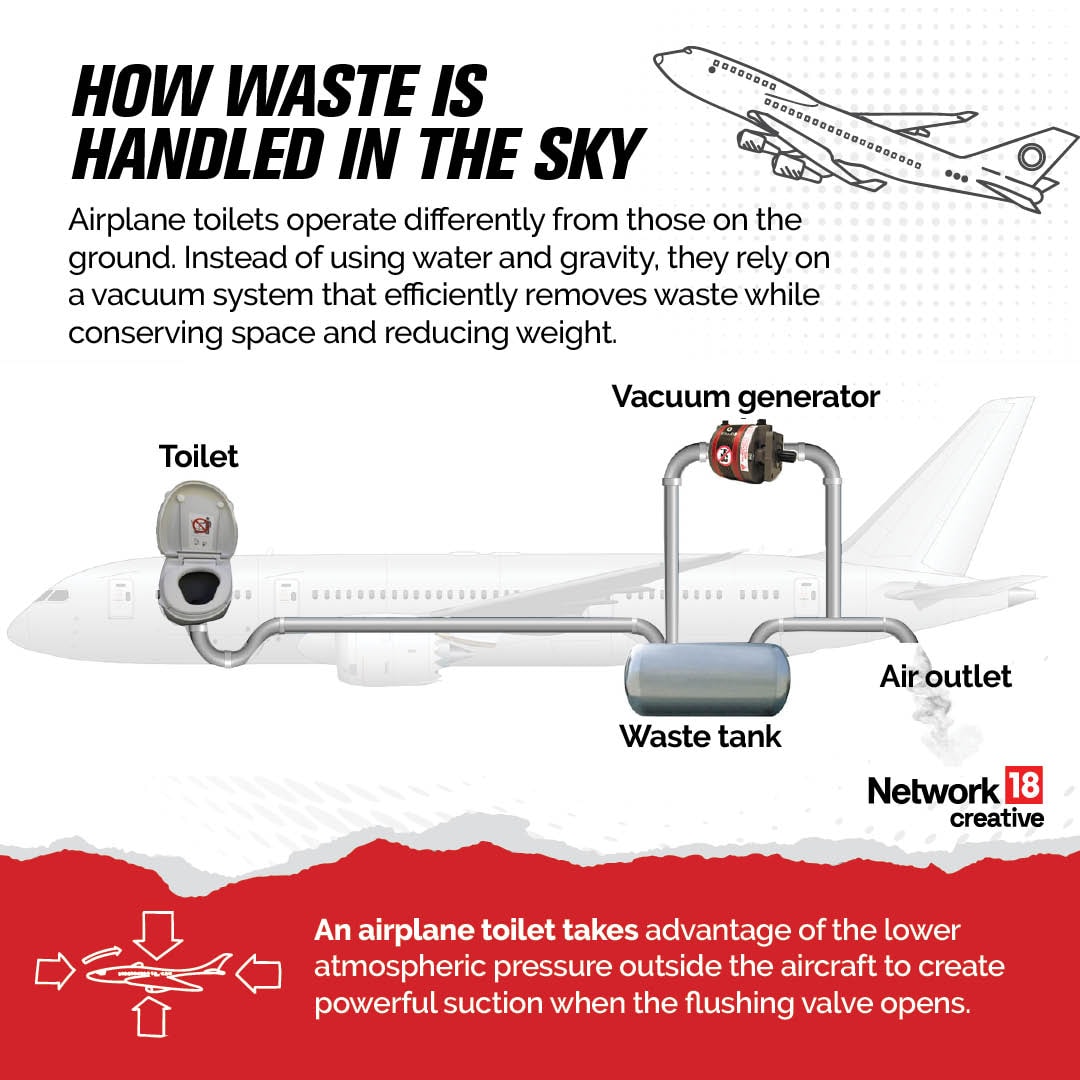
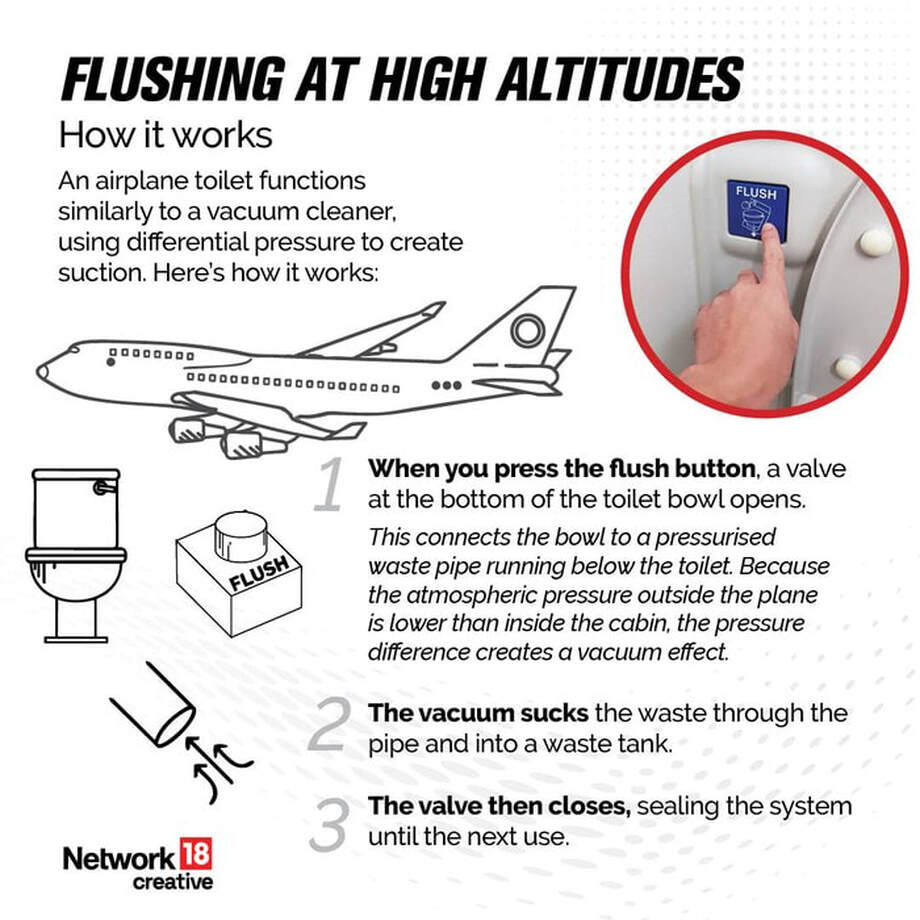
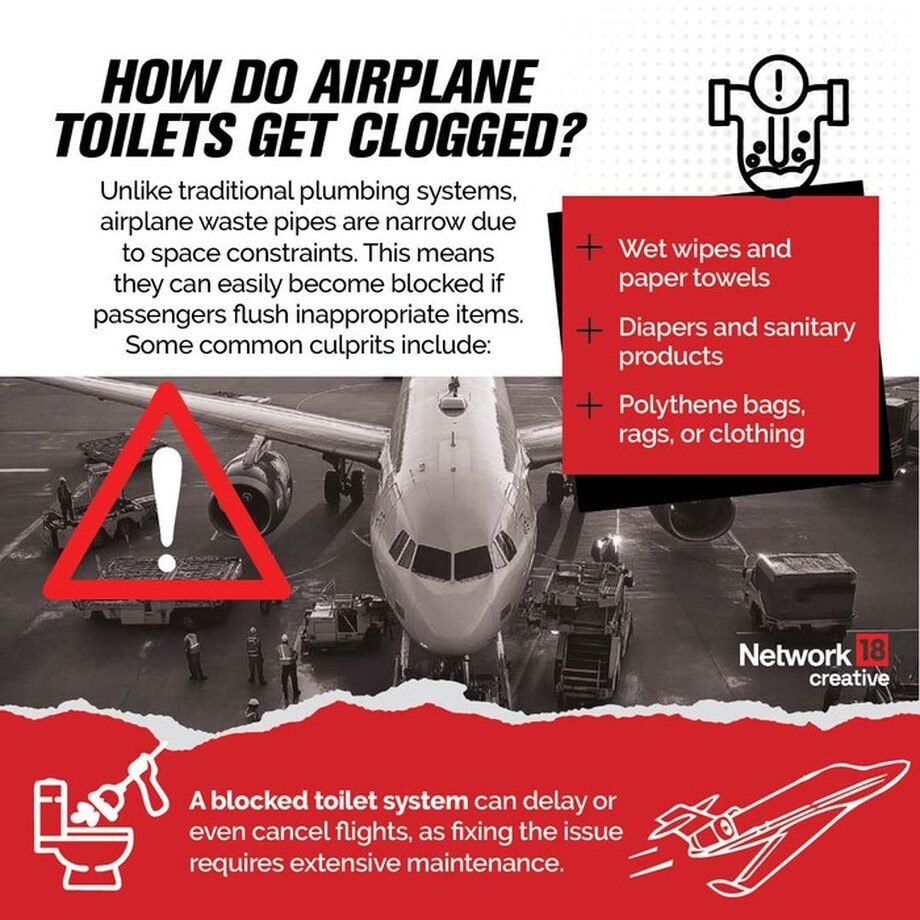
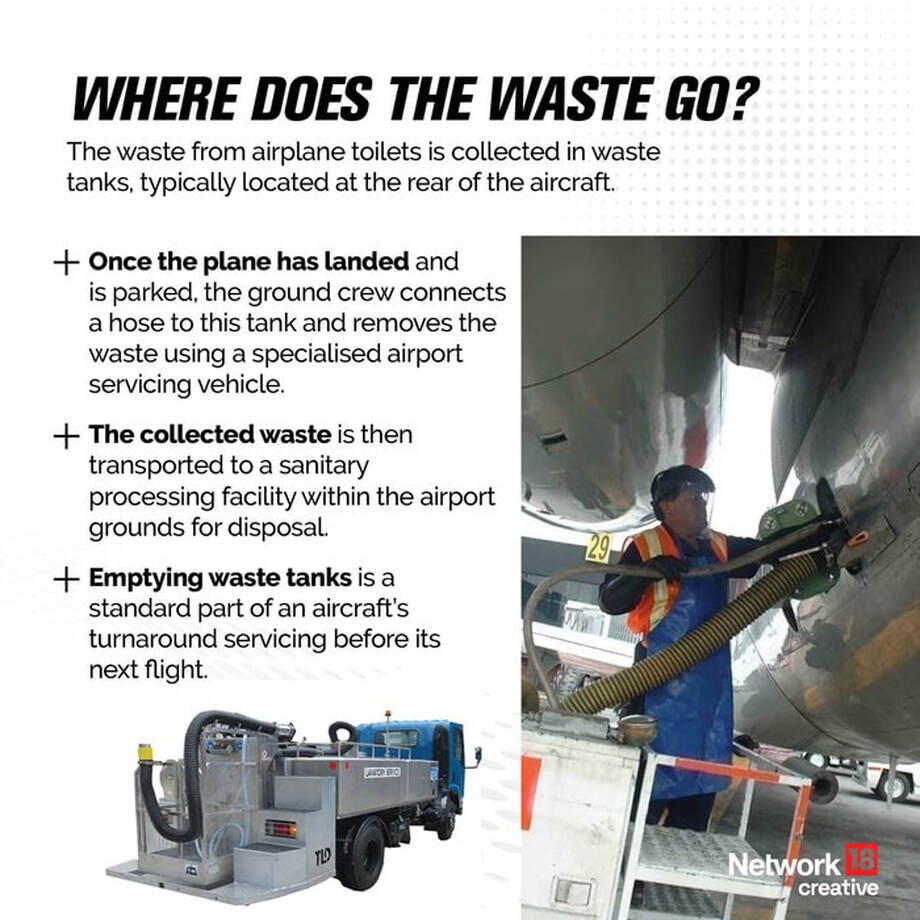
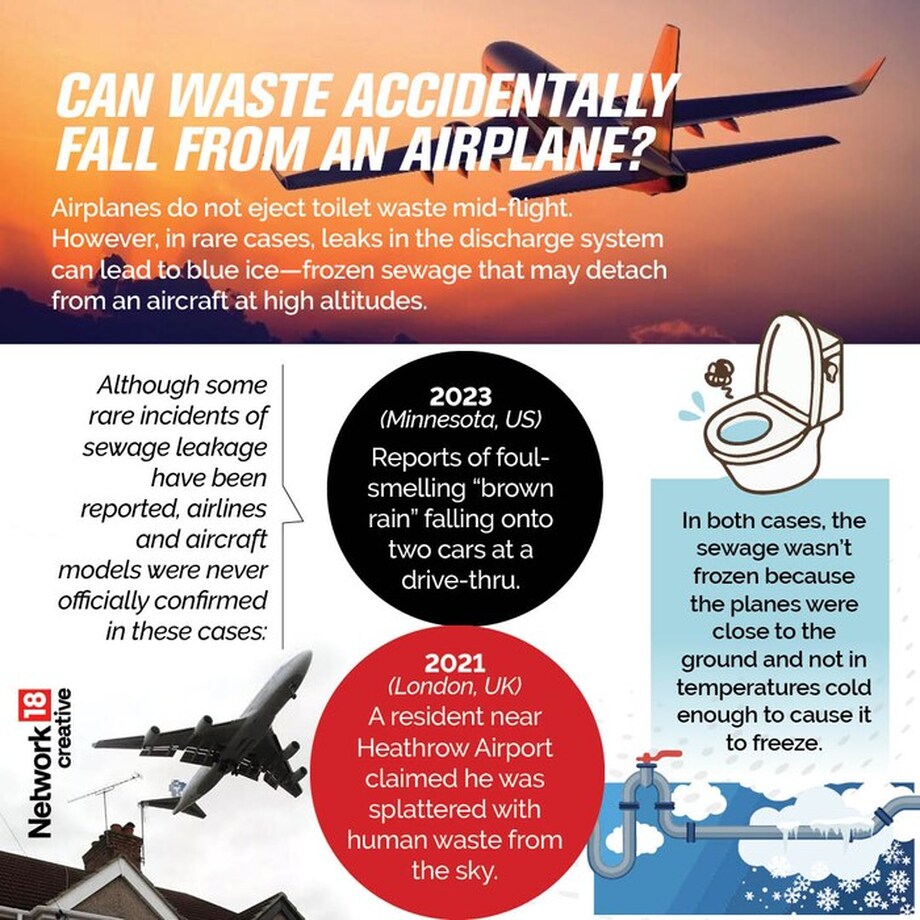
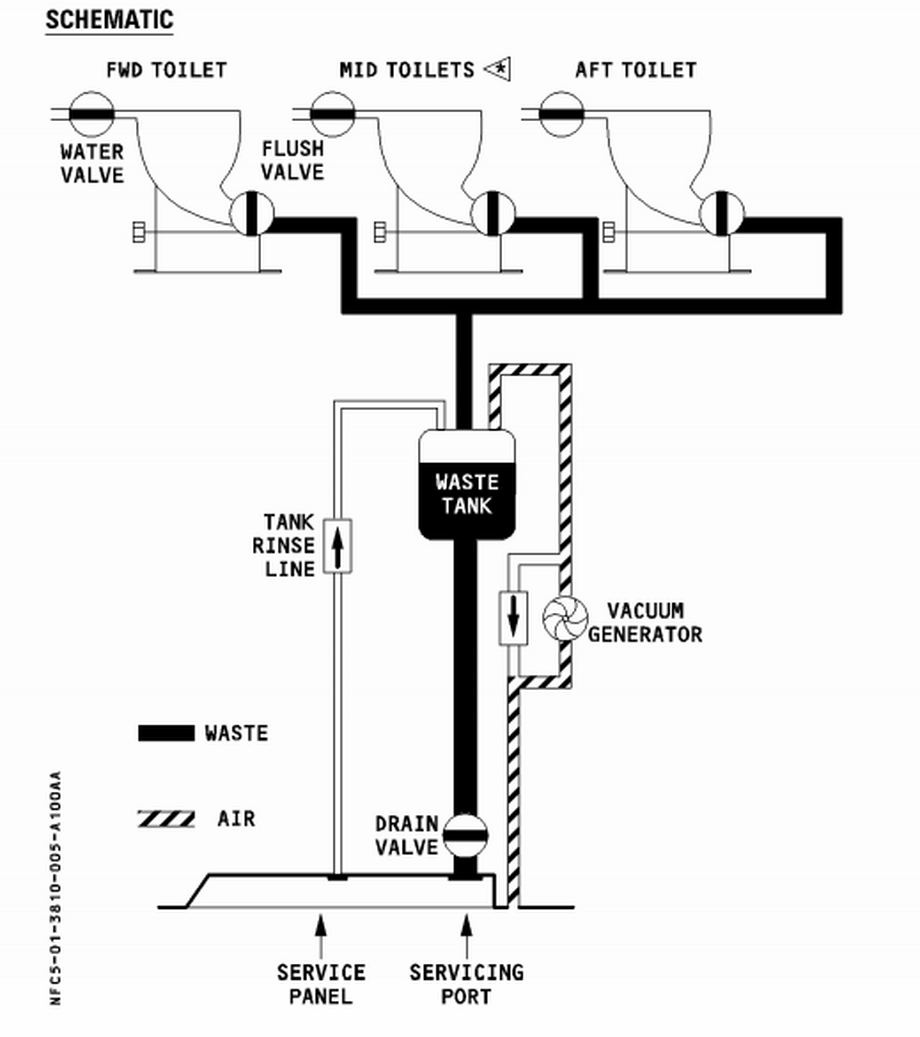
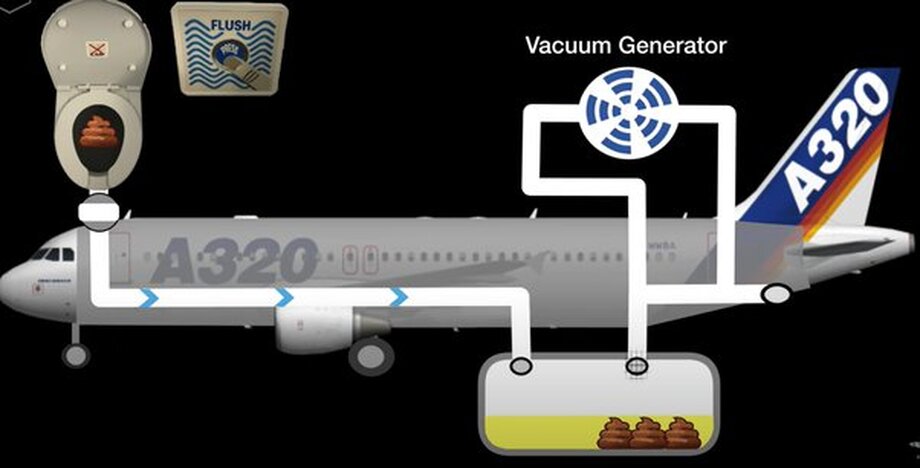
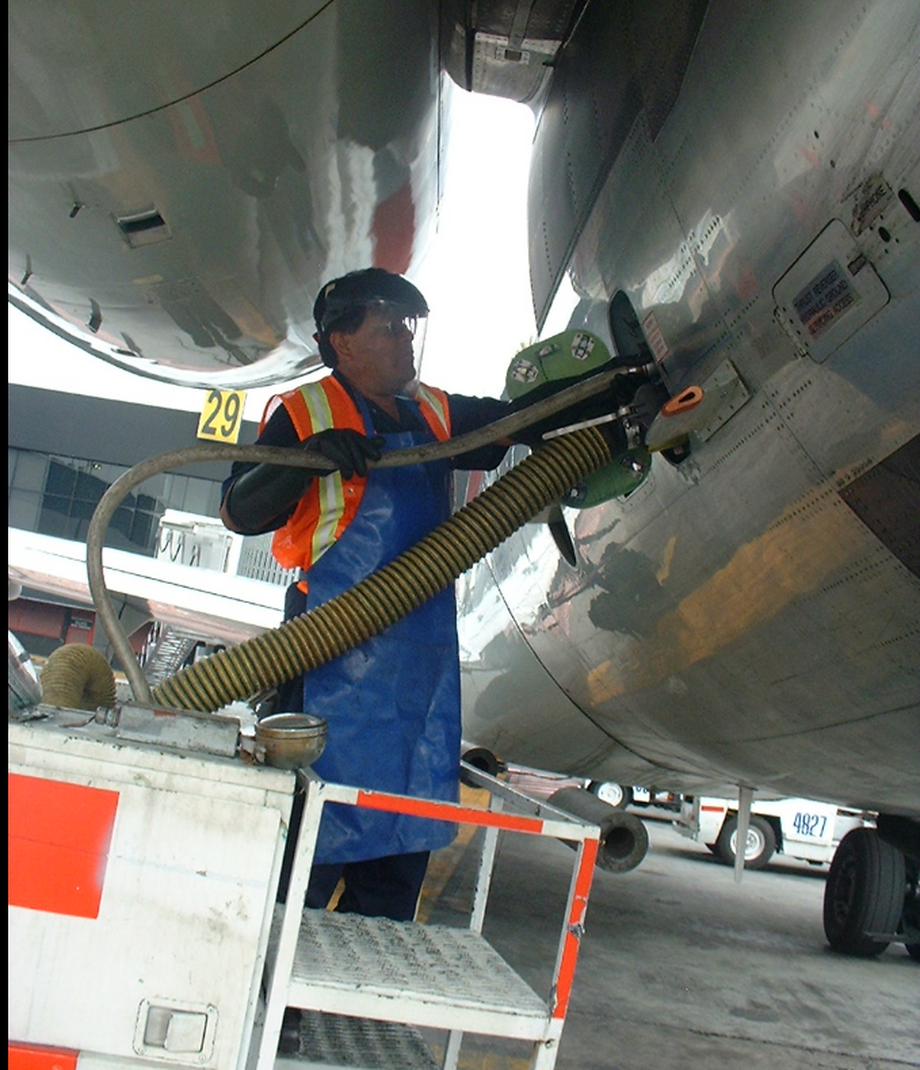
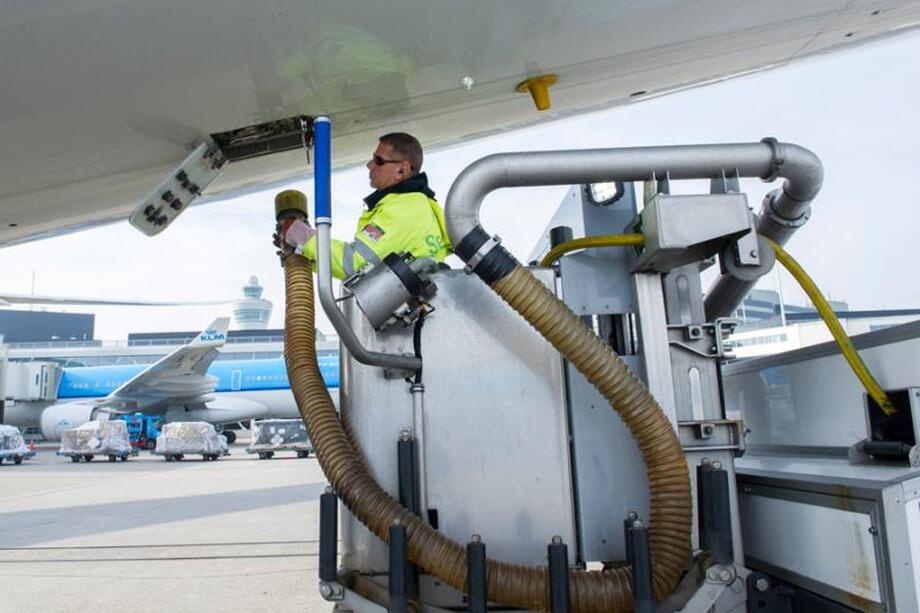
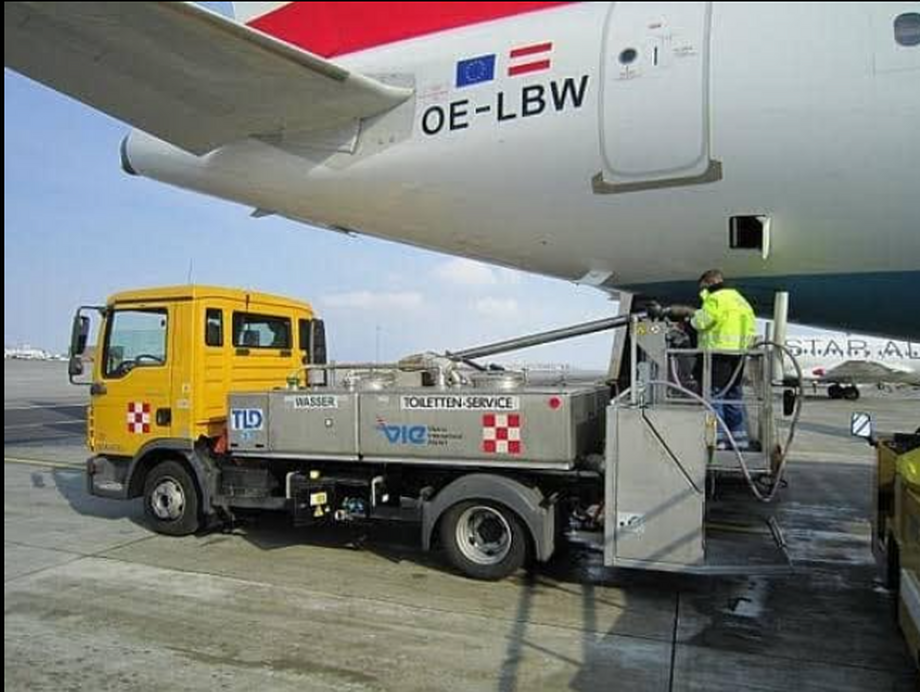
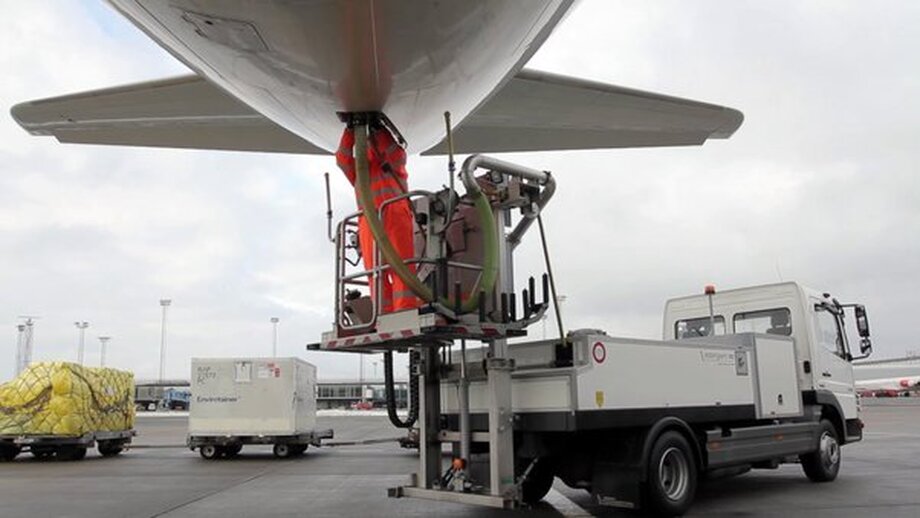
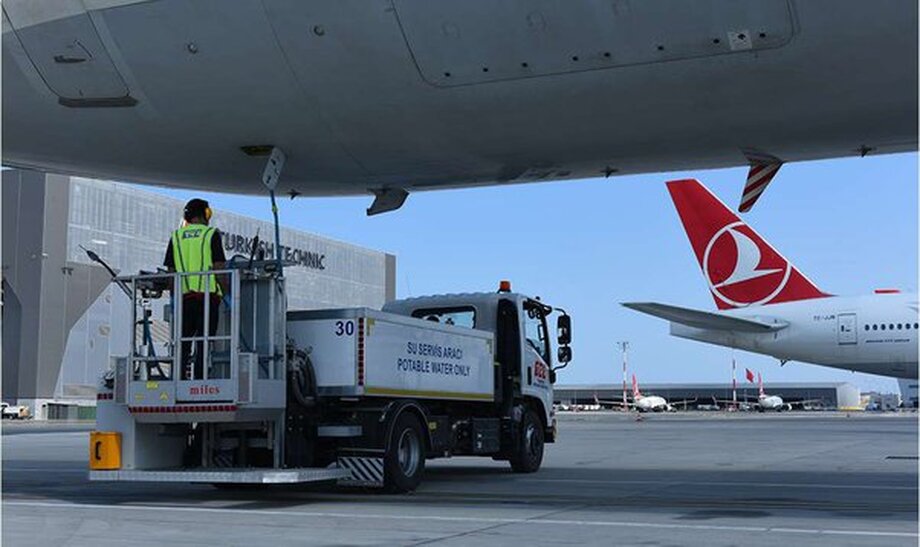
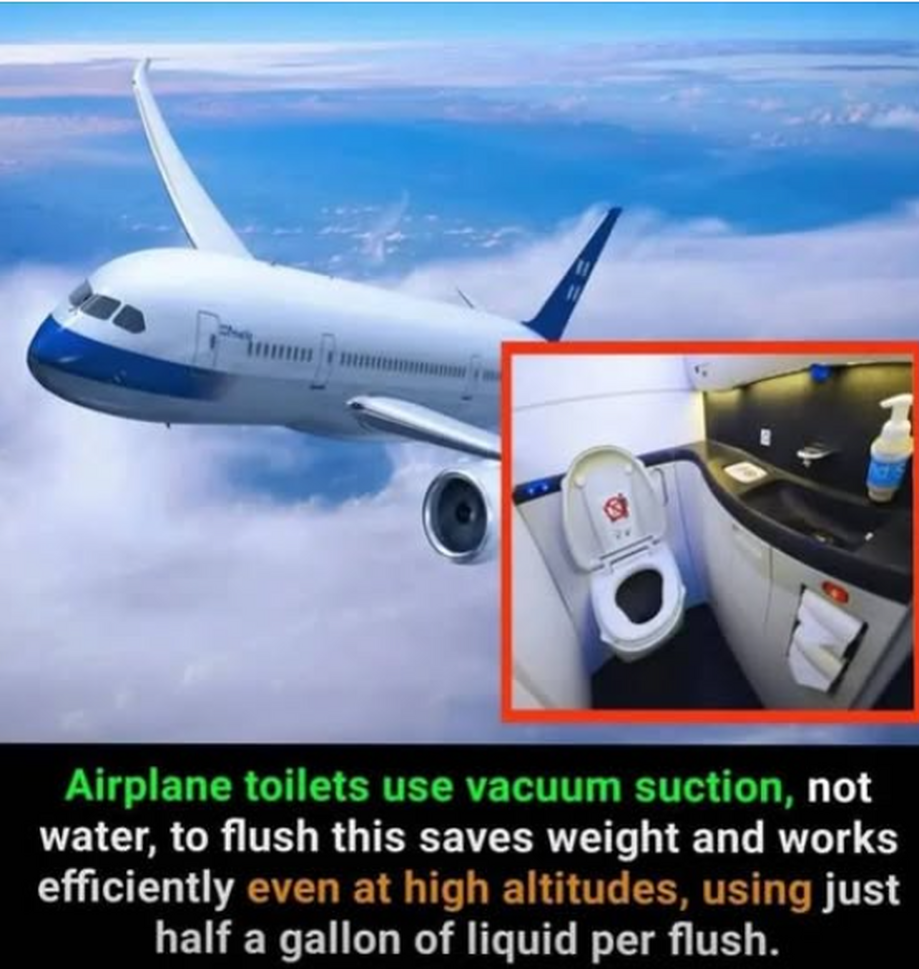
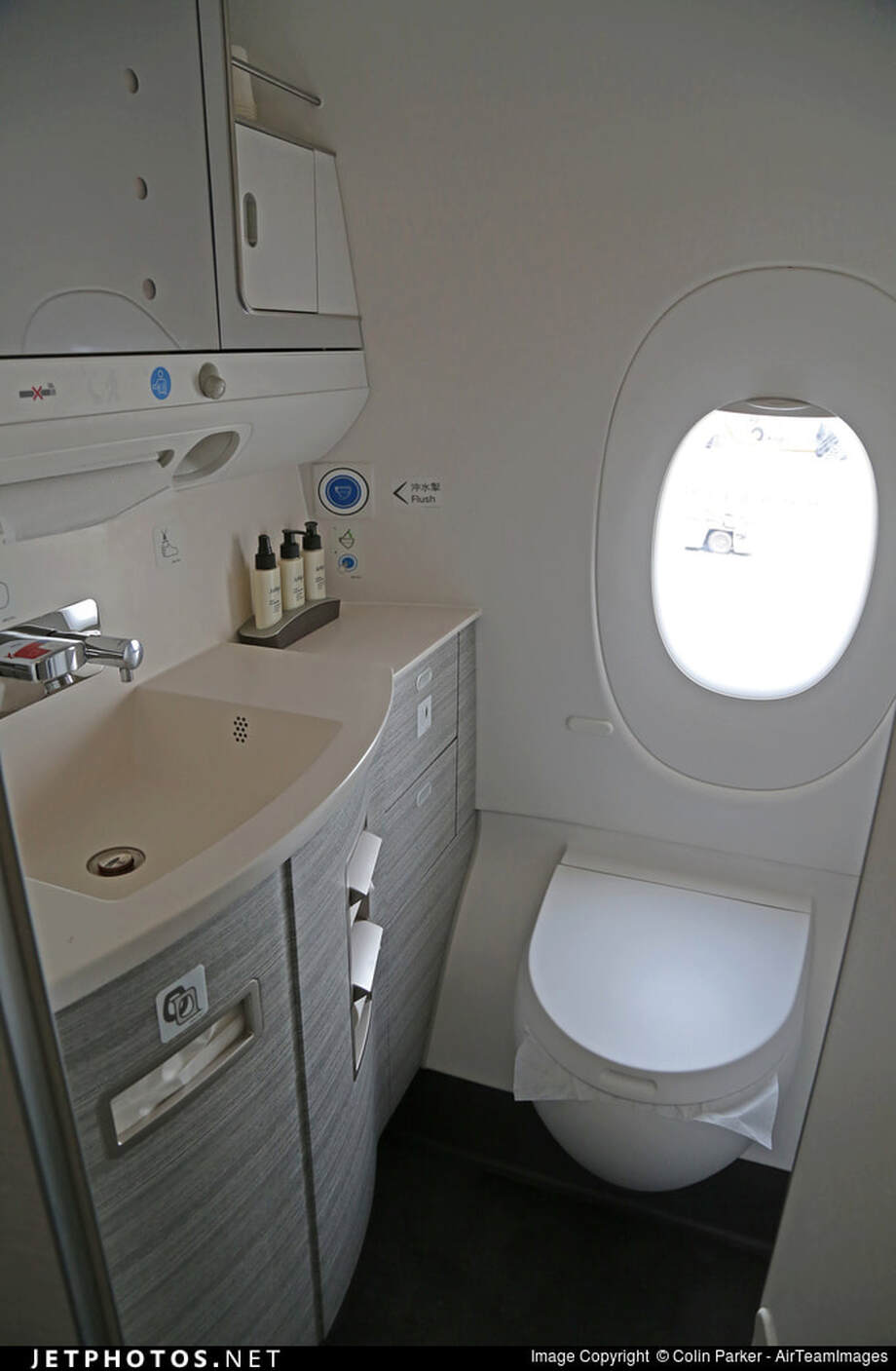
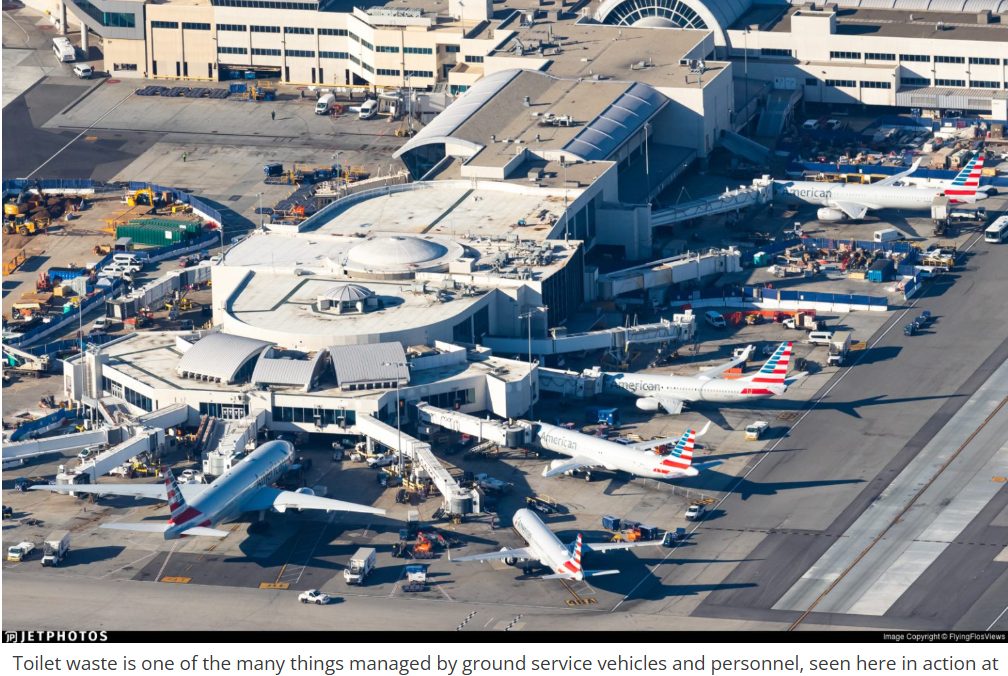
Airplane waste is safely stored in sealed onboard tanks during the flight. Once the plane lands, specialized ground crews connect a waste truck (often called a "honey wagon") to the aircraft's external ports to pump out the waste and blue deodorizing chemicals. This tank is designed to be airtight and secure, and it remains sealed throughout the flight. Aircraft toilets work using a clever combination of engineering and physics. When a passenger flushes, a powerful vacuum system draws waste into a holding tank. This vacuum mechanism not only saves space but also minimizes odors by reducing the exposure of waste to the air. Passengers might notice the distinctive sound of the toilet flush. This sound is created by a combination of the vacuum and a specifically designed high-speed turbine that chops up waste before it enters the holding tank. This grinding action not only reduces the volume of waste but also helps to prevent clogs in the plumbing system. The waste collected in the holding tank is stored until the aircraft lands. When the aircraft lands, ground crew members at the airport use specialized equipment to safely and hygienically empty the waste from the holding tank. A special truck comes to the aircraft after it lands and connects a hose to remove the waste and blue cleaning chemical into a storage tank on the truck. The truck plugs a hose into the airplane’s waste tank valve and removes all of the waste into the tank on the back of the truck. Ground crews use high-powered vacuum hoses to siphon hundreds of gallons of waste into the service truck in about 10 minutes. After the tanks are emptied, the crew refills the aircraft's waste system with fresh deodorizing and sanitizing chemicals (the "blue juice"). The service truck transports the collected waste to a designated disposal station at the airport. The waste is then emptied directly into the local municipal sewer system, where it undergoes standard wastewater treatment just like household plumbing.
Credit: Fossbytes
Credit: Fossbytes
Poverty deprives people of adequate education, health care and of life's most basic necessities- safe living conditions (including clean air and clean drinking water) and an adequate food supply. The developed (industrialized) countries today account for roughly 20 percent of the world's population but control about 80 percent of the world's wealth.
Poverty and pollution seem to operate in a vicious cycle that, so far, has been hard to break. Even in the developed nations, the gap between the rich and the poor is evident in their respective social and environmental conditions.
Poverty and pollution seem to operate in a vicious cycle that, so far, has been hard to break. Even in the developed nations, the gap between the rich and the poor is evident in their respective social and environmental conditions.